
Introduction
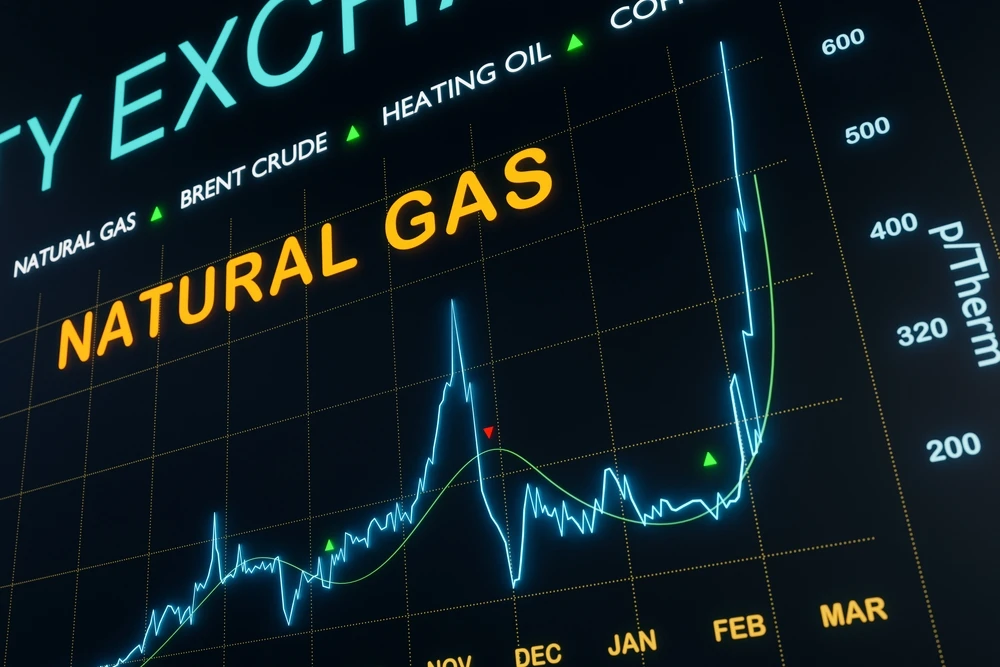
The world of commodities is a dynamic and essential part of our global economy. From the oil that powers our vehicles to the grains that fill our plates, commodities are the building blocks of our daily lives. In this in-depth exploration, we will delve into the intricacies of commodity futures prices, demystify the workings of the commodity market, and uncover the art and science of commodity market forecasting.
Understanding the Commodity Market
The commodity market is a vast and interconnected network where raw materials and primary agricultural products are bought and sold. It can be divided into two main categories:
Physical Market: This involves the actual buying and selling of physical commodities, such as crude oil, gold, and agricultural produce.Futures Market: In this segment, contracts for the future delivery of commodities are traded. It allows participants to speculate on price movements and hedge against risks.The Significance of Commodity Futures Prices
Commodity futures prices are at the heart of the futures market and play a pivotal role for various stakeholders:
Price Discovery: Futures prices serve as a benchmark for the current and future value of commodities, providing transparency to market participants.Risk Management: Producers and consumers use futures contracts to mitigate price volatility, ensuring stable costs and revenues.Speculation: Traders and investors engage in futures trading to profit from price fluctuations, adding liquidity to the market.What Are Commodity Futures?
Commodity futures are standardized contracts that obligate the buyer to purchase and the seller to deliver a specific quantity of a commodity at a predetermined price and date in the future. Key components of commodity futures contracts include:
Commodity: The specific commodity to be bought or sold, such as crude oil or soybeans.Contract Size: The quantity of the commodity covered by one contract.Delivery Date: The date on which the commodity must be delivered.Delivery Location: The location where the commodity is to be delivered.The Mechanics of Commodity Futures Trading
Commodity futures trading involves several essential steps:
Market Participants: Traders, investors, hedgers (producers and consumers), and speculators are key players in the futures market.Opening Positions: Traders initiate positions by buying or selling futures contracts.Price Movements: Futures prices change in real-time due to supply and demand dynamics, economic factors, and geopolitical events.Settlement: Most futures contracts do not result in physical delivery. Instead, they are settled by cash payment based on the contract's price at expiration.Factors Influencing Commodity Futures Prices
The prices of commodity futures are influenced by a myriad of factors:
Supply and Demand: Changes in supply or demand for the underlying commodity can drive price movements.Economic Indicators: Data like GDP growth, employment figures, and inflation rates impact commodity markets.Geopolitical Events: Conflicts, trade disputes, and political instability can disrupt commodity supplies.Weather Conditions: Weather-related events can affect agricultural commodity prices.Currency Exchange Rates: Fluctuations in currency values can influence the prices of internationally traded commodities.Commodity Market Forecasting
Forecasting commodity futures prices is a challenging endeavor that combines analysis, research, and a dash of intuition:
Fundamental Analysis: Analysts assess supply and demand dynamics, economic indicators, and geopolitical factors to make predictions.Technical Analysis: Historical price charts, patterns, and trading volumes are studied to forecast future price movements.Market Sentiment: Public sentiment and trader behavior can provide insights into price trends.Conclusion: Navigating the Commodity Futures Seas
Commodity futures prices are a reflection of the global economy, reflecting the interplay of supply and demand, economic forces, and geopolitical tensions. For businesses, investors, and traders, understanding the dynamics of the commodity market and the intricacies of forecasting is a crucial skill.
In a world where a shift in oil prices can impact industries, and fluctuations in agricultural prices can affect food security, the role of commodities and commodity futures remains paramount. Whether you're a producer looking to hedge against price volatility or a trader seeking profit opportunities, the world of commodities offers both challenges and rewards.
As we navigate an ever-changing global landscape, where economic uncertainties and supply chain complexities reign, the ability to anticipate and respond to commodity market movements becomes a valuable asset. The world of commodities is a captivating journey of discovery and opportunity, waiting for those who are willing to explore its depths.
Visit: https://pricevision.ai/


























Sign in to leave a comment.