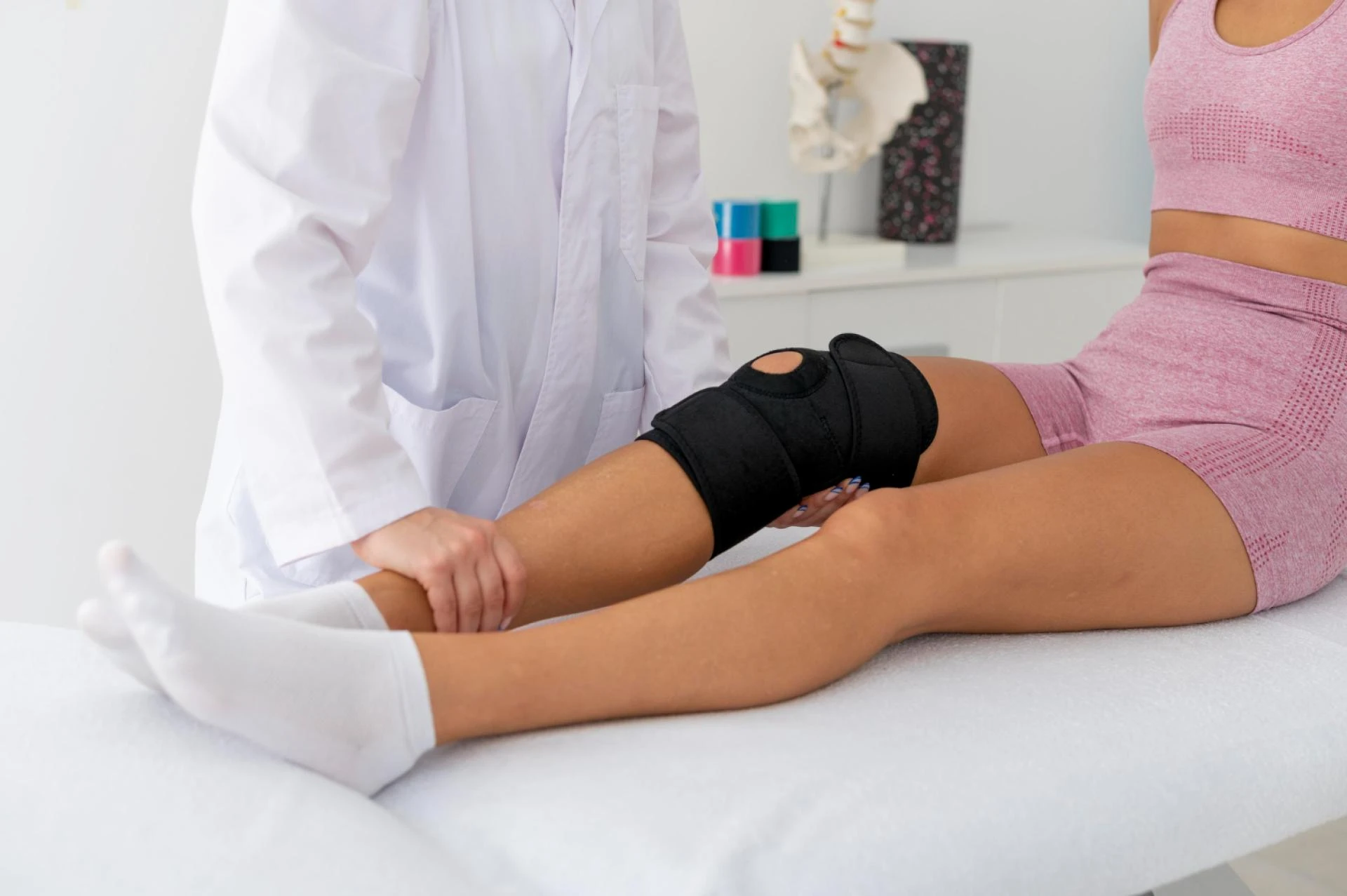

Knee pain is one of the most frequent musculoskeletal complaints among people of all ages. Whether you are an athlete, someone who spends long hours standing, or an older adult dealing with joint wear and tear, knee pain can significantly affect your mobility and quality of life. Understanding the underlying causes and taking preventive steps can keep your knees healthy for years to come. While severe pain may eventually require surgical intervention, many people can avoid long-term issues with proper care and awareness.
Understanding the Knee Joint
The knee is the largest and one of the most complex joints in the human body. It supports body weight, enables walking, bending, and sitting, and absorbs impact with every step. Because of constant use and pressure, the knee joint is vulnerable to injuries and degenerative conditions. When pain occurs, it is often a signal that something is affecting the bones, cartilage, ligaments, tendons, or surrounding muscles.
Common Causes of Knee Pain
1. Osteoarthritis
Osteoarthritis is the most common cause of chronic knee pain, especially among older adults. It occurs when the protective cartilage that cushions the knee joint wears down over time. This leads to stiffness, swelling, and pain, especially during movement. In advanced cases, bone may rub against bone, intensifying discomfort.
2. Rheumatoid Arthritis
Unlike osteoarthritis, rheumatoid arthritis is an autoimmune condition where the body’s immune system attacks the joints. This leads to inflammation, swelling, and severe pain. Knees can become stiff and difficult to move, particularly in the morning.
3. Ligament Injuries
Athletes often experience ligament injuries such as ACL (anterior cruciate ligament) or MCL (medial collateral ligament) tears. These injuries occur due to sudden twisting, falls, or direct impact. They usually cause sharp pain, swelling, and instability in the knee.
4. Meniscus Tears
The meniscus acts as a shock absorber between the femur and tibia. Sudden rotation or heavy lifting can cause it to tear. This leads to pain, swelling, and difficulty bending or straightening the knee. Meniscus injuries are common among athletes and older adults.
5. Tendonitis
Tendonitis occurs when the tendons around the knee become inflamed due to overuse. Activities that involve repetitive motion — such as running, jumping, or cycling — contribute to this condition. It causes pain during movement and can limit performance.
6. Bursitis
Bursae are small fluid-filled sacs that reduce friction in the knee. When they become inflamed due to prolonged kneeling, overuse, or injury, bursitis develops. The knee may feel warm, swollen, and tender to the touch.
7. Excess Weight
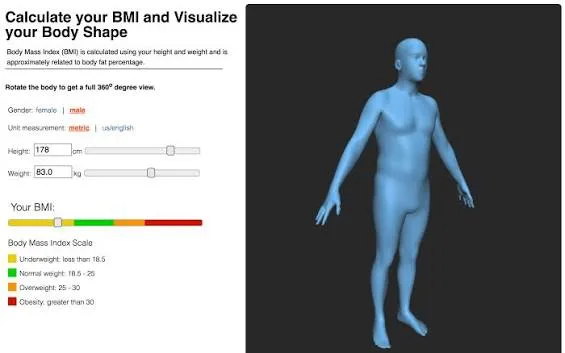
Carrying extra body weight increases pressure on the knee joints. For every extra kilogram of weight, the knees feel several times that force during activities like walking or climbing stairs. Over time, this accelerates joint degeneration and increases pain.
8. Poor Posture & Weak Muscles
Weak quadriceps, tight hamstrings, or poor walking posture can misalign the knee joint. When muscles do not support the knee properly, added strain can lead to chronic pain.
How to Prevent Knee Pain
While not all types of knee pain are preventable, adopting healthy habits can significantly reduce the risk.
1. Maintain a Healthy Weight
Weight management is one of the most effective ways to reduce knee stress. A balanced diet combined with regular exercise can help keep your joints healthy.
2. Strengthen Muscles
Strong thighs, hips, and calf muscles stabilize the knee joint. Exercises like squats, leg lifts, and resistance training help support the joint and reduce pressure.
3. Improve Flexibility
Stretching the hamstrings, calves, and quadriceps improves mobility and reduces stiffness. Flexible muscles prevent imbalances that often lead to knee pain.
4. Wear Proper Footwear
Shoes with good support reduce pressure on the knees. Avoid high heels and worn-out shoes that can disrupt knee alignment.
5. Avoid Overuse
Repetitive stress from running, jumping, or heavy lifting can gradually damage the joint. Incorporate rest days into your routine and listen to your body when discomfort starts.
6. Warm Up Before Exercise
Warming up increases blood flow to the muscles and prepares the joint for movement. Cold muscles are prone to injury.
7. Use Low-Impact Exercises
Swimming, cycling, and brisk walking are excellent alternatives to high-impact activities. These exercises improve joint health without excessive stress.
8. Seek Early Treatment
Ignoring minor knee pain often leads to bigger problems. Early diagnosis allows timely treatment, preventing long-term damage.
When Knee Surgery Becomes Necessary
Severe arthritis, joint deformity, or persistent injuries may eventually lead to knee replacement surgery. Recovery varies from person to person, especially when age is a factor. Understanding the Knee Replacement Recovery Time for Elderly Patient can help older adults and their families prepare mentally and physically for the healing process.
Patients often ask about the Worst Day After Knee Replacement Surgery since the early days following surgery can involve significant discomfort. While it may be a difficult phase, proper medication, therapy, and support make recovery manageable.
Final Thoughts
Knee pain can disrupt daily life, but understanding its causes and taking preventive steps can help maintain strong and healthy joints. Whether you’re an athlete, a working professional, or a senior citizen, prioritizing knee health is crucial. Through a balanced lifestyle, proper exercise, and timely medical care, you can protect your knees and enjoy long-term mobility and comfort.




























Sign in to leave a comment.