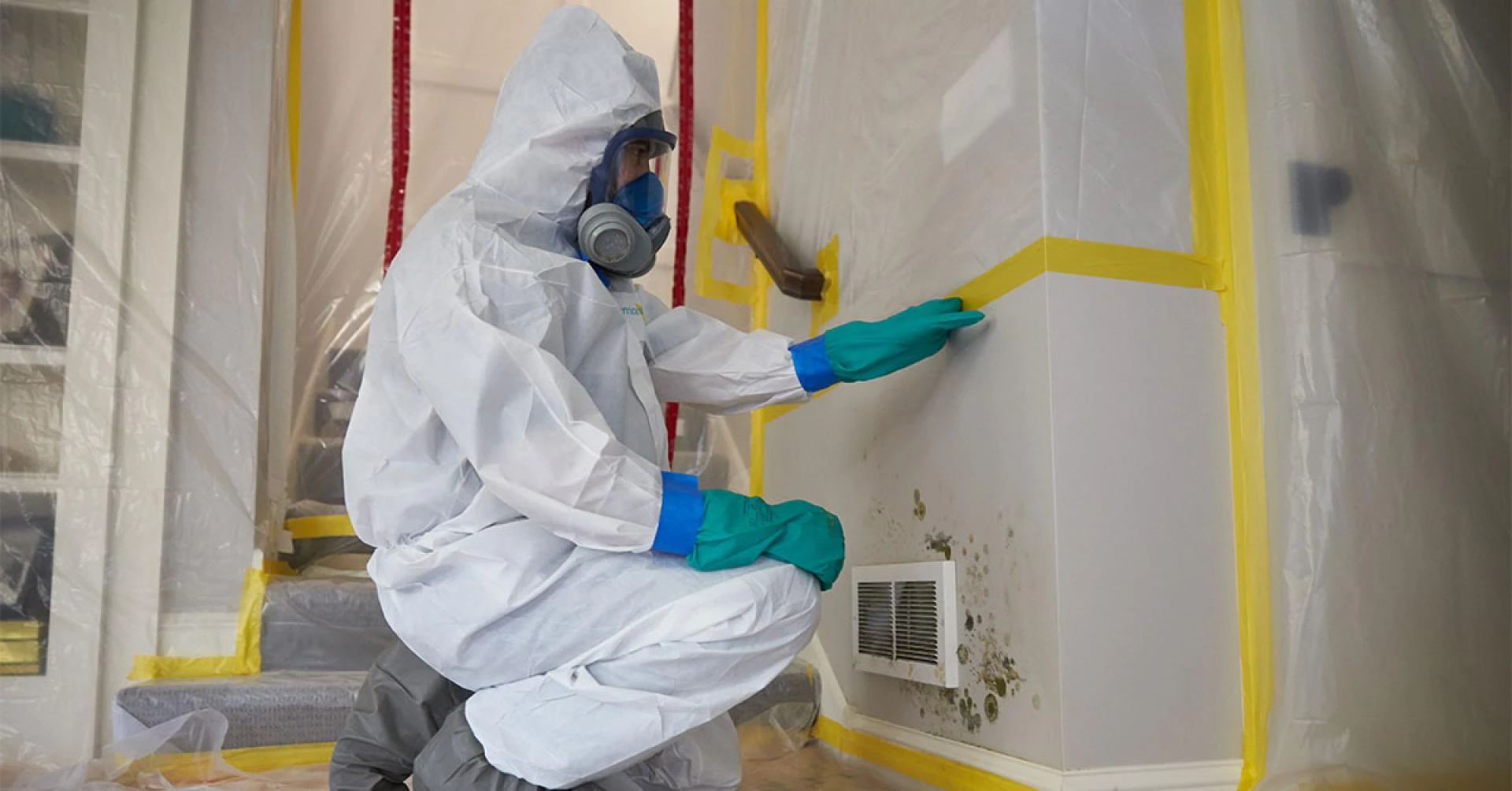

Mold infestations in the home are a serious problem that can cause significant health issues and property damage. If left untreated, mold spores can spread quickly throughout your living space, leading to costly repairs and potential health risks. As a professional home inspector with years of experience dealing with mold infestation cases, I have seen firsthand what causes these unwelcome visitors to invade our homes. In this article, I will discuss the common causes of mold infestations in residential properties so you can be better informed about how to protect yourself from an outbreak.
When it comes to mold growth conditions, not all houses are created equal – some areas may be more susceptible than others, depending on the climate and environmental factors present inside or outside the structure itself. Generally speaking, warm temperatures combined with high humidity levels provide ideal conditions for fungi such as molds to flourish. But other factors such as water leaks and inadequate ventilation systems often contribute to uncontrolled moisture buildup which encourages fungal growth within walls and ceilings. If you suspect that your home may have mold growth, it's important to consider mold testing services to identify and address the issue.
Finally, one important factor we must consider when looking into possible causes of mold infestation is improper maintenance practices by homeowners. When gutters become clogged or downspouts become disconnected due to negligence or lack of awareness then rainwater is unable to effectively drain away from the foundation resulting in standing water around the perimeter of your house; a ripe breeding ground for fungus! With proper care and attention most cases of household mold contamination can be prevented before they start; however if you already suspect an issue has arisen then it's best to contact an experienced home inspector right away who can promptly assess any underlying problems and help restore your home back to its original state.
What Is Mold?
Mold is a type of fungus that can grow indoors, often in moist and dark environments. It can come in various colors such as black, green, white or even pink. Mold reproduces by releasing spores into the air which then settle on surfaces where they form colonies. If these colonies are large enough, or if there is too much moisture present, mold growth becomes visible to the human eye. The presence of mold indicates an environment conducive to its growth; excessive humidity, poor ventilation or water damage from leaks or flooding may all be contributing factors. This is why it's important to identify potential causes of mold infestations in homes before any remediation efforts take place.
Identification Of Mold Growth
Mold can be a slippery creature, lurking in the shadows of our homes, undetected until it is often too late. To identify mold growth in your home, look for discoloration or staining on walls and ceilings, an earthy musty odor that may indicate water damage or high humidity levels, or even visible patches of fuzzy black spots that are indicative of large colonies.
Pay close attention to moisture prone areas such as bathrooms and basements. Check around window sills and under sinks for any signs of wetness or dampness which could signal the presence of excessive moisture levels. If you have recently experienced flooding or plumbing issues in your home, these should also be considered when assessing possible mold activity.
The best way to determine if you have a mold issue is through careful inspection. Take note of any changes in temperature between rooms as this could suggest air flow problems that encourage fungal growth. Investigate potential hidden sources of excess water by looking at exposed pipes and checking appliances like toilets and dishwashers regularly for leaks. With vigilance and caution, you’ll soon spot tell-tale signs of trouble before they become a major problem. From here we can move onto exploring the causes behind high humidity and moisture levels in the home environment - factors that are integral to understanding how best to prevent future mold infestations from taking place.
High Humidity And Moisture Levels
High humidity and moisture levels are among the most common causes of mold infestations in homes. When there is too much water vapor in the air, it can cause condensation on surfaces such as walls, ceilings, windows and doors that provide ideal conditions for mold to grow. The excess moisture also creates an environment where bacteria and other microorganisms thrive, which further contributes to mold growth.
The first step in preventing a mold problem is keeping relative humidity between 30-50%. This can be accomplished by using dehumidifiers or increasing ventilation through exhaust fans and open windows. Additionally, homeowners should inspect their home regularly for signs of hidden plumbing leaks or other sources of elevated moisture. It's important to repair any leaking pipes quickly so they don't create a breeding ground for molds and mildews.
In order to prevent indoor molds from forming, proper ventilation must be maintained at all times. If your home has inadequate ventilation due to poor building design or insufficient insulation, then consider installing mechanical ventilators like HRV systems to ensure adequate airflow throughout the house. By controlling both humidity levels and ventilation inside your home you will greatly reduce the risk of mold infestation entering your living space - paving the way for better overall indoor air quality. To learn more about how poor ventilation can lead to mold problems in homes, read on!
Poor Ventilation
Ah, poor ventilation. The bane of all mold infestations! Can you believe people still haven't figured out how to let fresh air flow through their homes? It's as if they can't bear the thought of having a drafty home that requires extra heating and cooling costs. Well, if your house is prone to mold growth, it might be time to face these facts and make sure your home has adequate circulation.
The most common cause of poor ventilation in residences is the lack of open windows or doors on opposite sides of the room. Without proper cross-ventilation, stale air builds up inside and creates stagnant pockets where moisture gets trapped. These are prime breeding grounds for molds — especially when humidity levels rise above 50%.
Another thing to consider is that many newer homes tend to be too tightly sealed. This ensures energy efficiency but also leaves little opportunity for natural airflow. If this sounds familiar, then you should invest in an effective mechanical system like whole-house fans or exhaust ventilators (such as bathroom fans) that will help keep moisture at bay and reduce indoor pollutants from lingering around indoors.
In sum, inadequate ventilation is one of the biggest culprits behind residential mold outbreaks. With some simple changes here and there, though, you can significantly lower your risk for such issues down the line and give yourself much deserved peace of mind!
Leaky Pipes And Roofs
Leaky pipes and roofs are two of the most common causes of mold infestations in homes. Water seepage from plumbing and roofing systems can create ideal conditions for mold growth, allowing it to spread quickly throughout a home. Here are 4 key ways leaky pipes and roofs cause mold:
Poorly sealed seams around rooftops or window frames allow rainwater to enter the building envelope which then leads to moisture buildup on walls and floors that can encourage mold growth. Leaks in fixtures such as toilets, sinks and showers provide a constant source of water into the house creating an environment conducive to fungal growth. Broken or cracked tiles in bathrooms or kitchens can lead to standing pools of water that become breeding grounds for fungi if not addressed promptly. Damaged gutter systems may result in overflowing gutters that saturate siding with water leading to potential mold problems inside wall cavities and between floorboards.When these issues go unaddressed, they can contribute greatly to indoor air quality deterioration due to excessive levels of airborne spores produced by colonies of active molds growing within the home's interior spaces. To help prevent serious damage from occurring, any leaks should be identified immediately and repairs made as soon as possible before any further contamination is allowed to take place. From here, we turn our attention next towards flooding--a more severe form of water intrusion that carries its own set of risks when it comes to fostering dangerous microbial populations indoors.
Flooding
Flooding is another major cause of mold infestations in homes. When water enters a house, it can quickly become trapped and remain there for long periods of time. This allows the ideal conditions for mold to thrive - moisture, warmth and darkness. Plus, if all three occur together, this increases the risk of mold growth exponentially.
Mold spores are present almost everywhere indoors, so when flooding occurs they have an opportunity to grow into colonies on wet surfaces such as drywall, carpets or furniture. If not treated properly within 24-48 hours after the flood has occurred, these colonies will start producing additional toxins which could be extremely harmful to human health.
In addition to that danger is the fact that since flooding often involves sewage contamination and other contaminants from outdoors, any contact with contaminated materials should be avoided at all costs. Specialized cleaning solutions may need to be used to prevent further spread of mold spores around the home environment.
These challenges posed by floods emphasize why prevention is key: homeowners must take proactive steps to ensure their home does not suffer from excess moisture buildup due to poorly functioning drainage systems or blocked gutters/downspouts. Now let's discuss how building materials can contribute to mold infestation in homes...
Building Materials
Mold infestations in homes can often be traced back to building materials. Wood, drywall, and paper are all susceptible to mold growth when exposed to moisture, making them common sources of a problem. Homeowners should pay close attention to any visible signs of damage caused by water such as discoloration or warping on walls and floors. In addition, siding and roofing that is damaged or aged may also provide an ideal environment for mildew and fungus growth. It's important to identify the source of the moisture so it can be addressed in order to prevent future problems from occurring.
Another major contributor to mold infestations is poor ventilation. This can cause humidity levels to rise which encourages organisms like mold to start growing inside your home. Poorly sealed windows and doors, blocked vents, and leaky ductwork are all potential causes for high indoor humidity levels. Proper air circulation helps reduce this risk by allowing airborne particles such as spores from settling into furniture or carpets where they can begin multiplying quickly if not removed properly.
If these issues aren't addressed then it could lead to more serious long-term health risks due to exposure of the toxins released by certain molds. It’s important for homeowners to take preventive action before a full-blown infestation occurs by regularly cleaning their living spaces - especially areas prone to dampness like bathrooms or basements - and keeping an eye out for any visible signs of mold development on surfaces throughout the house.
Not Cleaning Regularly
Mold infestations are often caused by not cleaning regularly. Areas in the home that don't receive regular attention, such as attics and basements, can be especially vulnerable to mold growth. To prevent this, homeowners should make sure they're performing routine maintenance of all areas of their house. This includes dusting off surfaces and vacuuming carpets on a weekly basis; it's also important to keep up with seasonal deep cleans like washing windows and curtains frequently. Additionally, damp or wet spots should be dried immediately after use - if these aren't taken care of right away, the moisture will provide an ideal environment for mold spores to take root and grow into colonies. Moving forward, it's essential to pay close attention to old or faulty appliances which could be contributing to excess humidity in your home...
Old Or Faulty Appliances
Old or faulty appliances are a common cause of mold infestations in homes. Refrigerators, washing machines and other large appliances can develop leaks over time, leading to dampness that encourages the growth of mold. Even small amounts of moisture from leaking pipes can accumulate behind walls and under floors, creating ideal conditions for mold spores to colonize. Additionally, condensation on windows due to poor ventilation around major appliances may contribute to an environment where mold thrives.
It’s important to keep up with regular maintenance and repairs on all home appliances. That way any potential problems can be identified early before they become serious issues leading to water damage and eventual mold growth. Homeowners should also make sure their HVAC system is running properly so that excess humidity isn't produced inside the house, which increases the chances of developing a mold problem in the future.
Mold prevention starts with vigilance when it comes to keeping your home's appliances working well. Regular inspections by professionals who are trained in recognizing early signs of appliance failure will help protect your family from having a potentially hazardous infestation of mold down the road. By staying proactive about inspecting these areas of your home you'll be able to identify possible sources for leaks quickly and take action before it becomes more difficult--and expensive--to address them. Damp basements and crawl spaces are another source of moisture-laden air that can lead to indoor mold growth if not monitored carefully.
Damp Basements And Crawl Spaces
Amazingly, the same mold infestations that can arise from old or faulty appliances can also be caused by damp basements and crawl spaces. This is because these areas in our homes are often neglected, but they can create the perfect conditions for a mold outbreak if not maintained properly.
The key to avoiding this type of infestation is to keep these areas as dry as possible. If you have any water leakage problems it must be addressed immediately before it causes long-term damage and attracts unwanted guests like mold spores. In some cases, installing a dehumidifier may even help prevent an outbreak altogether.
In addition, proper ventilation should always be ensured in order to reduce moisture levels in your basement and crawl spaces. Keep windows open when possible and use fans to circulate air throughout the area - anything you can do to maintain low humidity levels will greatly decrease the chances of having a mold problem on your hands!







Sign in to leave a comment.