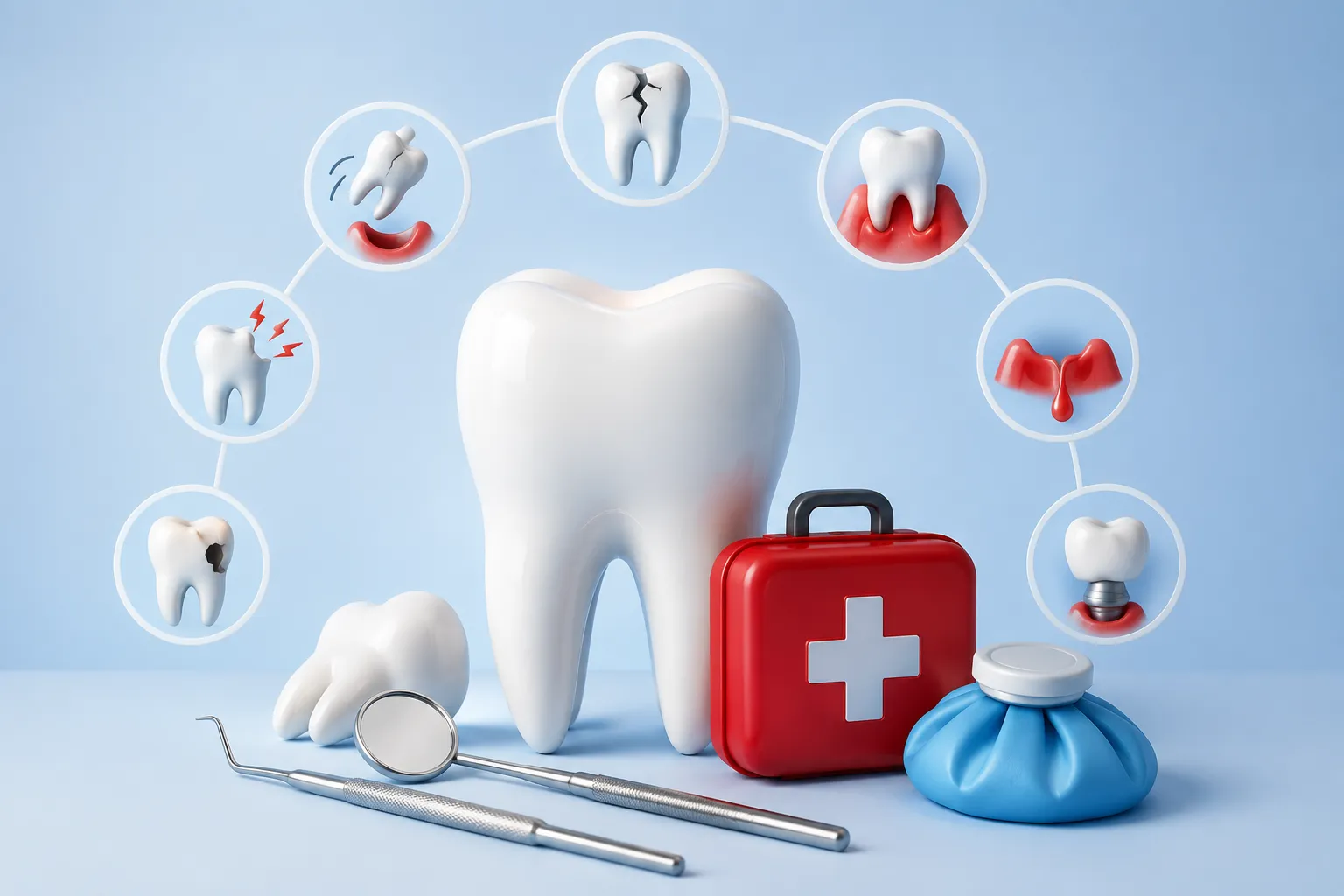

Dental emergencies can happen unexpectedly and often require immediate attention to prevent serious complications. A sudden toothache, broken tooth, bleeding gums, or an accident involving the mouth can cause severe discomfort and anxiety. Knowing how to respond before reaching a dentist can help minimize pain and increase the chances of saving a damaged tooth.
When faced with severe pain or an injury, many people immediately search for a dental clinic near me to receive prompt treatment. While professional care is essential, understanding basic first-aid measures can make a significant difference until you reach the dental office.
This guide explains the most common dental emergencies, how to manage them, and simple preventive steps to protect your smile.
What Is a Dental Emergency?
A dental emergency is any oral health condition that requires immediate or urgent professional treatment. Delaying care can worsen the problem and may even lead to permanent damage.
Common dental emergencies include:
- Severe toothache
- Knocked-out tooth
- Chipped or broken tooth
- Dental abscess
- Lost filling
- Lost dental crown
- Bleeding after oral injury
- Soft tissue injuries
- Broken orthodontic appliances
Recognizing these situations early allows for quicker treatment and better outcomes.
Severe Toothache
A severe toothache is one of the most frequent dental emergencies. Pain may result from deep cavities, infections, cracked teeth, exposed nerves, or gum disease.
What You Should Do
- Rinse your mouth with warm water.
- Gently floss around the affected tooth to remove trapped food.
- Apply a cold compress if swelling is present.
- Avoid placing painkillers directly on the gums.
- Contact your dentist as soon as possible.
Persistent pain should never be ignored because it usually indicates an underlying dental issue.
Knocked-Out Tooth
A knocked-out permanent tooth requires immediate action. The faster the tooth receives professional treatment, the greater the possibility of saving it.
First Aid Steps
- Hold the tooth by the crown rather than the root.
- Rinse gently if dirty without scrubbing.
- Try placing it back into its socket if possible.
- If not, store it in milk or a tooth preservation solution.
- Visit a dentist immediately.
Time plays a crucial role in the success of tooth reimplantation.
Chipped or Broken Tooth
Teeth may fracture due to sports injuries, falls, accidents, or biting hard foods.
Even if the fracture appears small, the damage may extend deeper into the tooth structure.
Immediate Care
- Rinse your mouth with warm water.
- Save any broken pieces.
- Apply a cold compress to reduce swelling.
- Avoid chewing on the damaged tooth.
Professional restoration helps protect the tooth and restore normal function.
Dental Abscess
A dental abscess is a serious infection that develops around the root of a tooth or within the gum tissue. It often causes severe pain, swelling, bad breath, and sometimes fever.
Without treatment, the infection can spread beyond the mouth.
What You Should Do
- Rinse with warm salt water several times daily.
- Do not attempt to drain the abscess yourself.
- Seek emergency dental treatment immediately.
Prompt treatment is essential for preventing serious health complications.
Lost Filling
Fillings may fall out because of decay, wear, or accidental damage.
Without protection, the affected tooth becomes vulnerable to sensitivity and additional decay.
Temporary Care
- Keep the tooth clean.
- Avoid chewing on the affected side.
- Arrange a dental appointment as soon as possible.
Replacing the filling early helps preserve the remaining tooth structure.
Lost Crown
Dental crowns occasionally become loose or detach due to aging restorations or trauma.
The exposed tooth underneath may become painful or sensitive.
What You Should Do
- Save the crown if possible.
- Avoid chewing on that side.
- Keep the tooth clean.
- Visit your dentist for evaluation.
In many situations, the original crown can be reattached.
Soft Tissue Injuries
Cuts involving the lips, cheeks, tongue, or gums are common after falls or sports injuries.
These injuries often bleed heavily because the mouth contains numerous blood vessels.
First Aid
- Rinse gently with clean water.
- Apply pressure using sterile gauze.
- Use a cold compress to reduce swelling.
- Seek professional care if bleeding continues.
Proper wound care reduces infection risk and promotes faster healing.
Broken Braces or Orthodontic Appliances
Loose wires or broken brackets may cause irritation inside the mouth.
Immediate Steps
- Do not attempt repairs at home.
- Cover sharp wires with orthodontic wax if available.
- Contact your orthodontist for professional adjustment.
Timely repair prevents further discomfort and treatment delays.
Object Stuck Between Teeth
Food particles or foreign objects trapped between teeth can cause pain and gum irritation.
Safe Removal
- Use dental floss carefully.
- Rinse with warm water.
- Avoid using sharp objects like pins or needles.
If the object remains stuck, seek professional assistance instead of forcing it out.
Preventing Dental Emergencies
Although not every emergency can be avoided, many can be prevented through healthy habits.
Practice Good Oral Hygiene
Brushing twice daily and flossing every day helps reduce cavities and gum disease.
Wear Protective Mouthguards
Athletes should wear properly fitted mouthguards during contact sports.
Avoid Chewing Hard Objects
Ice cubes, popcorn kernels, pens, and hard candies can crack teeth.
Attend Regular Dental Checkups
Routine examinations allow dentists to identify problems before they become emergencies.
Visiting an experienced oral dental clinic for regular checkups helps detect hidden issues early and supports long-term oral health.
Address Minor Problems Promptly
Small cavities, loose fillings, and cracked teeth should be treated before they worsen.
Early treatment usually requires less complex procedures and improves long-term outcomes.
Why Prompt Dental Treatment Matters
Many dental emergencies worsen quickly if left untreated. Infections can spread, fractures may deepen, and delayed treatment can reduce the chances of saving natural teeth.
Seeking professional dental care immediately after an emergency helps relieve pain, restore oral function, and prevent future complications.
Conclusion
Dental emergencies can happen when you least expect them, but knowing how to respond can make a significant difference. Whether it's a severe toothache, a broken tooth, a lost crown, or a knocked-out tooth, taking the right first-aid steps and seeking prompt professional treatment can help protect your oral health.
Along with emergency treatment, comprehensive dental care services play an important role in preventing future problems through regular examinations, preventive treatments, and personalized oral health guidance. By maintaining good oral hygiene and visiting your dentist routinely, you can greatly reduce the risk of dental emergencies and enjoy a healthier smile for years to come.





























Sign in to leave a comment.