
Homeownership comes with its fair share of responsibilities, and dealing with leaks is a common challenge many homeowners face. While some leaks can be easily addressed with a bit of DIY know-how and a few tools, others may require professional intervention. Keep reading to learn the kinds of home leaks you can and cannot repair on your own.
DIY-Friendly Leaks
If you’re confident in handling simple home repairs, here are a few plumbing repairs you can likely handle alone:
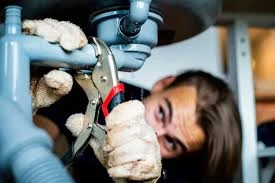
Faucet Leaks: Faucet leaks are among the most common and often the easiest to fix. A leaking faucet is typically caused by a worn-out washer or O-ring. With some basic plumbing tools and replacement parts, you can dismantle the faucet, replace the faulty components, and eliminate the leak.Leaky Pipes: Small leaks in pipes can often be addressed without professional help. Using pipe sealant or epoxy putty, you can temporarily patch minor leaks until a more permanent solution can be implemented. For larger pipe leaks, consider using a pipe clamp or compression coupling for a quick fix.Toilet Leaks: Toilets can develop leaks around the base or in the tank. A leaking toilet can waste a significant amount of water and lead to water damage. Fortunately, most toilet leaks can be fixed by replacing the flapper valve or adjusting the float. These repairs can be done with basic tools and a trip to the hardware store.Showerhead Leaks: If your showerhead is leaking, it's often due to a worn-out washer or a loose connection. Disassembling the showerhead, cleaning it, and replacing any damaged parts can usually resolve the issue. Be sure to use plumber's tape when reassembling to create a tight seal.Leaks Requiring Professional Help
You might be confident with a toolkit. However, no matter how handy you might be, you should never try to handle these plumbing repairs on your own:
Slab Leaks: Slab leaks occur beneath the concrete foundation of a house and are challenging to detect and repair without specialized equipment. If you notice unexplained increases in water bills, damp or warm spots on the floor, or cracks in the walls or flooring, it's time to call in a professional plumber for leak detection.Major Pipe Bursts: A burst pipe can cause extensive damage and requires immediate attention from a professional plumber. Trying to fix a major pipe burst without the right expertise and tools can lead to further complications.Hidden Leaks: Leaks hidden within walls, ceilings, or floors may not be visible but can cause serious damage over time. Professional plumbers use advanced techniques such as thermal imaging and moisture meters to detect hidden leaks accurately.While some home leaks can be tackled with DIY solutions, it's crucial to recognize when a situation requires professional expertise. If you encounter a leak that surpasses your DIY abilities or suspect a hidden issue, don't hesitate to contact a plumber for leak detection near me. Timely intervention can prevent further damage and ensure the long-term integrity of your home's plumbing system.






Sign in to leave a comment.