Common Mechanical Problems That Require Professional On-Site Repairs

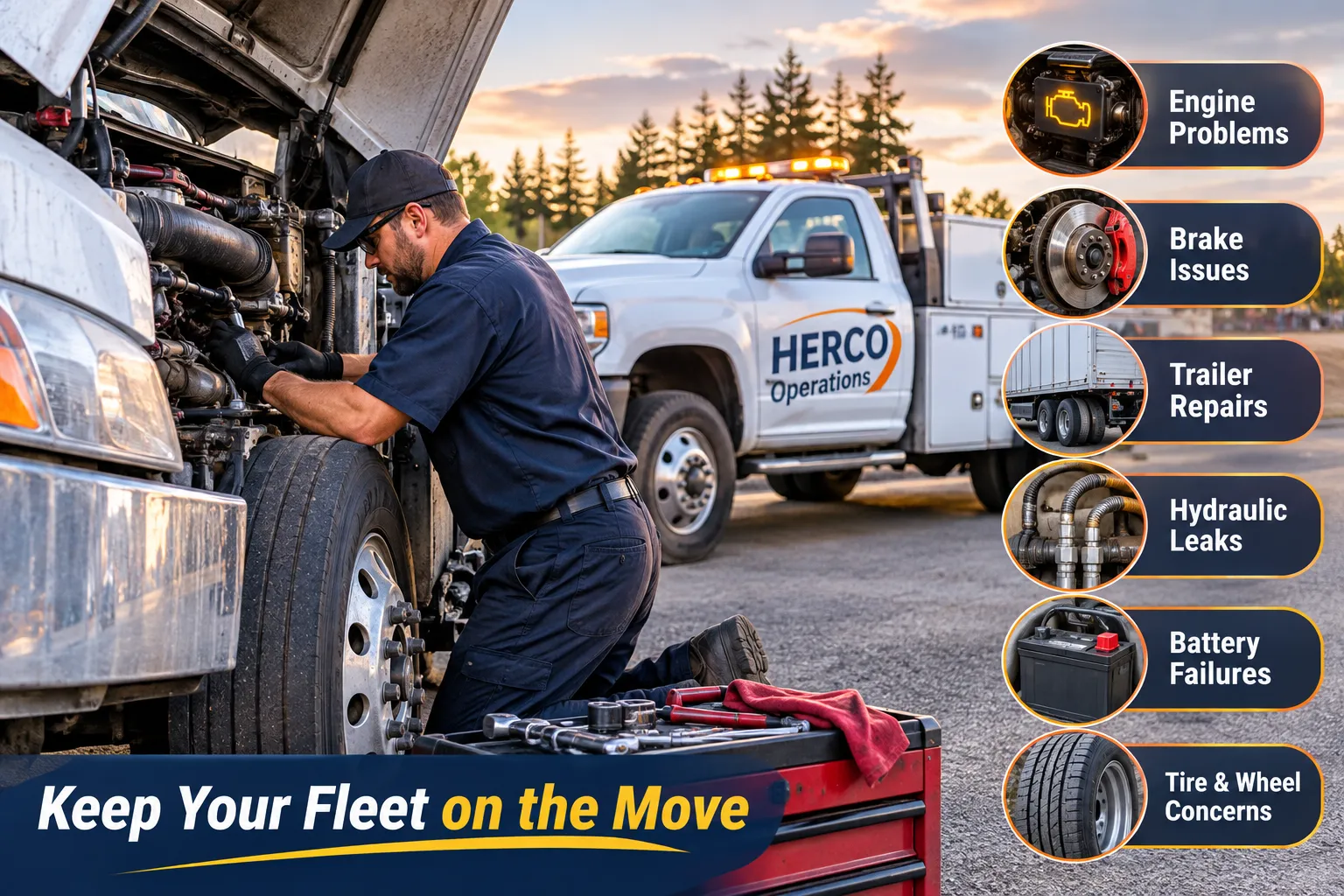
Mechanical problems rarely happen at a convenient time. A semi-truck may stop working during a delivery, a trailer may develop a brake issue before a scheduled trip, or heavy equipment may suddenly lose hydraulic pressure in the middle of a project. These situations can interrupt daily operations, delay deadlines, and increase operating expenses. For businesses that depend on commercial vehicles and heavy machinery, getting the right repair assistance quickly is essential.
On-site mechanical repairs offer a practical solution when moving damaged or malfunctioning equipment to a traditional repair shop is difficult. Experienced mobile technicians can inspect the equipment, identify the problem, and perform suitable repairs at the breakdown location. Understanding common mechanical issues can also help vehicle owners recognize early warning signs and avoid more serious damage.
For businesses and equipment operators in Olympia, WA, HERCO Operations provides mobile mechanical repair solutions designed to address a range of commercial vehicle, trailer, and heavy equipment concerns.
1. Engine Overheating and Performance Problems
Engine problems are among the most common reasons commercial vehicles require professional mechanical attention. Semi-trucks and heavy-duty vehicles operate under demanding conditions, often carrying substantial loads over long distances. Continuous operation, inadequate maintenance, and component wear can contribute to engine overheating and reduced performance.
Common warning signs include:
- Rising engine temperature or dashboard warning lights.
- Unusual knocking, rattling, or grinding noises.
- Excessive exhaust smoke.
- Loss of engine power or poor acceleration.
- Coolant leaks or unusual fluid consumption.
Engine overheating can result from coolant leaks, a malfunctioning thermostat, a damaged radiator, or cooling fan problems. Ignoring these symptoms may lead to significant engine damage.
A professional mechanic can inspect the cooling system, check fluid levels, identify leaks, and determine whether additional engine repairs are necessary. Early diagnosis helps prevent minor mechanical concerns from developing into expensive breakdowns.
2. Brake System Failures in Trucks and Trailers
Brake problems are particularly serious for commercial vehicles because they directly affect road safety and stopping distance. Semi-trucks and trailers rely on properly functioning braking systems to manage heavy loads and maintain control during transportation.
Some common brake-related problems include:
- Worn brake pads or brake shoes.
- Air leaks in pneumatic braking systems.
- Damaged brake chambers.
- Faulty brake lines or connections.
- Uneven braking or excessive stopping distance.
- Overheated brakes and unusual burning smells.
Air brake problems can be especially concerning in semi-trucks. A leak in the air system may reduce braking pressure and affect the vehicle's ability to stop safely.
If you notice unusual braking behavior, warning lights, or air pressure problems, arrange a professional inspection before continuing operation. A qualified technician can examine the braking components, identify damaged parts, and recommend appropriate repairs.
3. Trailer Suspension and Axle Problems
Trailers carry different types of cargo, and their suspension systems help distribute weight while maintaining stability on the road. Over time, heavy loads, rough road conditions, and regular use can cause suspension components to wear out or become damaged.
Common trailer suspension and axle issues include:
- Broken or worn leaf springs.
- Damaged shock absorbers.
- Misaligned axles.
- Worn suspension bushings.
- Uneven tire wear.
- Excessive bouncing or unusual vibrations.
These problems can affect trailer handling, tire performance, and overall towing stability. For example, a damaged suspension system may cause the trailer to bounce excessively, even on relatively smooth roads.
Ignoring suspension problems can place additional stress on other components and increase the risk of further damage.
Professional trailer repair services in Olympia WA services can help identify suspension-related concerns and restore proper trailer performance. An experienced technician can inspect the axle assembly, suspension components, and related parts to determine the appropriate repair approach.
4. Hydraulic System Leaks and Pressure Loss
Hydraulic systems play an important role in operating construction machinery, aerial lifts, material-handling equipment, and other heavy-duty machinery. These systems use pressurized hydraulic fluid to power lifting, moving, and other mechanical functions.
When a hydraulic component fails, equipment may become difficult or impossible to operate.
Some common hydraulic problems include:
- Cracked or damaged hydraulic hoses.
- Loose fittings and leaking connections.
- Worn hydraulic seals.
- Contaminated hydraulic fluid.
- Malfunctioning hydraulic pumps.
- Reduced hydraulic pressure.
A hydraulic leak may initially appear minor, but even a small leak can affect equipment performance. Low fluid levels and pressure loss can also place additional strain on pumps and other system components.
Regular inspections can help identify damaged hoses, loose fittings, and fluid leaks before they lead to equipment failure.
HERCO Operations provides mobile mechanical assistance for hydraulic-related concerns, helping equipment operators address problems without unnecessarily transporting large machinery to a repair facility. Hydraulic repairs should always be handled by trained technicians because pressurized fluid systems can create serious safety hazards.
5. Electrical System and Battery Failures
Modern commercial vehicles and heavy equipment depend on electrical systems for starting, lighting, monitoring, and operating various components. Electrical problems can develop because of damaged wiring, loose connections, corroded terminals, or failing batteries.
Watch for these warning signs:
- The engine struggles to start or does not start.
- Headlights and dashboard lights flicker.
- Battery warning indicators appear.
- Electrical accessories stop functioning.
- Fuses repeatedly blow.
- Equipment experiences intermittent power loss.
A weak battery is not always the underlying problem. A malfunctioning alternator, damaged wiring, or poor electrical connections may also prevent the system from operating correctly.
Professional diagnosis is important because replacing the battery without identifying the actual cause may not resolve the issue.
A mobile mechanic can inspect accessible electrical components, test battery performance, and identify potential charging or connection problems. Addressing these concerns promptly helps reduce unexpected downtime and keeps essential vehicle systems functioning properly.
6. Transmission and Clutch Problems
Transmission and clutch issues can make commercial vehicles difficult to operate, particularly when transporting heavy loads or traveling through demanding road conditions.
Over time, continuous use, excessive heat, inadequate maintenance, and normal component wear can affect transmission performance.
Common warning signs include:
- Difficulty shifting gears.
- Grinding or unusual transmission noises.
- Delayed gear engagement.
- Slipping gears.
- Burning smells.
- Fluid leaks underneath the vehicle.
Clutch-related problems may also include difficulty engaging gears, unusual pedal resistance, and clutch slipping.
These symptoms should not be ignored because continued operation can worsen internal damage. A professional mechanic can inspect the transmission system, check fluid condition, and determine whether the issue involves the clutch, transmission components, or related mechanical systems.
Depending on the nature of the problem, some repairs can be completed on-site, while more extensive transmission work may require specialized workshop facilities.
7. Tire Damage and Wheel-Related Issues
Tires are essential for maintaining vehicle stability, handling, and road safety. Commercial trucks and trailers carry substantial weight, which places considerable stress on their tires.
Common tire and wheel-related problems include:
- Uneven tire wear.
- Low or excessive tire pressure.
- Sidewall damage.
- Tire punctures and air leaks.
- Damaged wheel bearings.
- Loose or damaged wheel components.
Incorrect tire pressure can affect fuel efficiency, braking performance, and tire lifespan. Similarly, uneven tire wear may indicate alignment problems, suspension damage, or improper load distribution.
Drivers should inspect their tires regularly, particularly before long-distance journeys. Any visible damage, unusual vibration, or repeated pressure loss should be investigated.
For commercial operators, addressing tire-related concerns early can help prevent roadside breakdowns and reduce the likelihood of additional mechanical damage.
8. Cooling System and Fluid Leaks
Commercial vehicles and heavy equipment rely on several fluids to operate efficiently. Engine coolant, transmission fluid, hydraulic oil, and engine oil all perform important functions in maintaining equipment performance.
Leaks can develop because of worn seals, damaged hoses, loose connections, cracked reservoirs, or deteriorating components.
Common signs of fluid-related problems include:
- Puddles or stains underneath equipment.
- Unusual fluid smells.
- Frequently dropping fluid levels.
- Rising operating temperatures.
- Warning lights on the dashboard.
- Reduced equipment performance.
Different fluids have different purposes, so identifying the source of a leak is important before attempting repairs. For instance, an engine oil leak requires a different repair approach than a hydraulic hose failure.
Routine inspections and timely maintenance can help detect fluid leaks before they cause more extensive damage. If a significant leak or overheating occurs, stop operating the equipment when it is unsafe to continue and arrange professional assistance.
9. Heavy Equipment Starting and Operational Failures
Construction and industrial businesses depend on heavy equipment to complete daily projects. When machinery suddenly stops working, it can affect employee productivity, project schedules, and operational costs.
Starting and operational failures may result from several mechanical issues, including:
- Faulty starter motors.
- Weak or damaged batteries.
- Fuel delivery problems.
- Clogged fuel filters.
- Damaged electrical connections.
- Worn engine components.
Equipment operators may notice slow starting, unusual noises, reduced power, or inconsistent machine performance before a complete breakdown occurs.
Regular preventive maintenance is one of the best ways to reduce these problems. However, when equipment stops functioning unexpectedly, professional on-site assistance can help identify the cause and determine the most suitable repair solution.
Why Choose On-Site Mechanical Repairs Instead of Traditional Repair Shops?
Transporting a disabled commercial vehicle or heavy piece of equipment to a repair facility is not always practical. Large machinery may require specialized transportation, while a broken-down semi-truck or trailer can create unexpected scheduling challenges.
On-site mechanical repairs provide several advantages:
1. Reduced Equipment Downtime
Getting mechanical assistance at the breakdown location can help reduce delays associated with transporting equipment to a repair facility.
2. Convenient Repair Solutions
Mobile technicians can travel to suitable job sites, business locations, and roadside breakdown areas to assess mechanical problems.
3. Early Problem Identification
Professional inspections help identify underlying mechanical concerns before they develop into more serious failures.
4. Support for Different Equipment Types
Mobile mechanical services can address various issues involving commercial trucks, trailers, diesel engines, hydraulic systems, and heavy equipment.
5. Better Operational Planning
Timely repairs and regular maintenance help businesses maintain more predictable equipment schedules and reduce unexpected interruptions.
It is important to remember that not every mechanical problem can be completely repaired on-site. Major engine rebuilds, extensive transmission repairs, and certain specialized repairs may require workshop facilities.
When Should You Call a Professional Mobile Mechanic?
Knowing when to seek professional assistance can prevent unnecessary equipment damage and improve operational safety.
Consider contacting a qualified mobile mechanic when:
- Your semi-truck experiences unexpected engine or mechanical problems.
- Your trailer develops suspension, braking, or axle issues.
- Heavy equipment experiences hydraulic leaks or pressure loss.
- Your vehicle repeatedly struggles to start.
- You notice unusual noises, vibrations, or fluid leaks.
- Equipment performance suddenly decreases.
- A mechanical failure interrupts your scheduled operations.
Do not continue operating equipment when a mechanical issue makes it unsafe. A professional inspection can help determine whether the vehicle or machinery can be repaired at its current location or needs additional servicing.
For businesses looking for mobile mechanic Olympia WA services, choosing an experienced repair provider can make a significant difference in managing unexpected breakdowns.
How HERCO Operations Helps Keep Your Equipment Running
When commercial vehicles and heavy equipment experience mechanical problems, having access to dependable repair assistance is essential. HERCO Operations provides mobile mechanical repair services in Olympia, WA, helping businesses and equipment operators address a variety of mechanical concerns.
The team works with different types of equipment, including semi-trucks, trailers, construction machinery, aerial equipment, and material-handling equipment.
HERCO Operations offers assistance with:
- Semi-truck and trailer mechanical repairs.
- Diesel engine-related issues.
- Hydraulic system inspections and repairs.
- Heavy equipment maintenance and troubleshooting.
- Mechanical breakdown assistance.
- On-site repair solutions.
Whether you need Semi Truck Repair Olympia services or professional assistance with a malfunctioning trailer, having experienced technicians available can help you address mechanical concerns more efficiently.
Businesses searching for semi truck repair olympia wa can benefit from timely inspections, appropriate repair recommendations, and practical on-site support. Similarly, those requiring trailer repair olympia wa services can get professional assistance with common trailer-related mechanical problems.
HERCO Operations focuses on helping customers minimize equipment downtime and maintain dependable operations through convenient mobile repair solutions.
Final Thoughts
Mechanical problems are an unavoidable part of operating commercial vehicles and heavy equipment. However, recognizing early warning signs and arranging timely repairs can help prevent unexpected breakdowns, costly damage, and unnecessary operational delays.
From engine overheating and brake failures to hydraulic leaks and suspension problems, each mechanical issue requires proper diagnosis and an appropriate repair approach. Regular maintenance, careful equipment inspections, and professional assistance can help extend equipment life and improve operational reliability.
If your commercial vehicle, trailer, or heavy equipment needs attention, HERCO Operations can help with professional mobile mechanical repair services in Olympia, WA. Address mechanical concerns promptly and keep your equipment ready for the demands of everyday work.




Sign in to leave a comment.