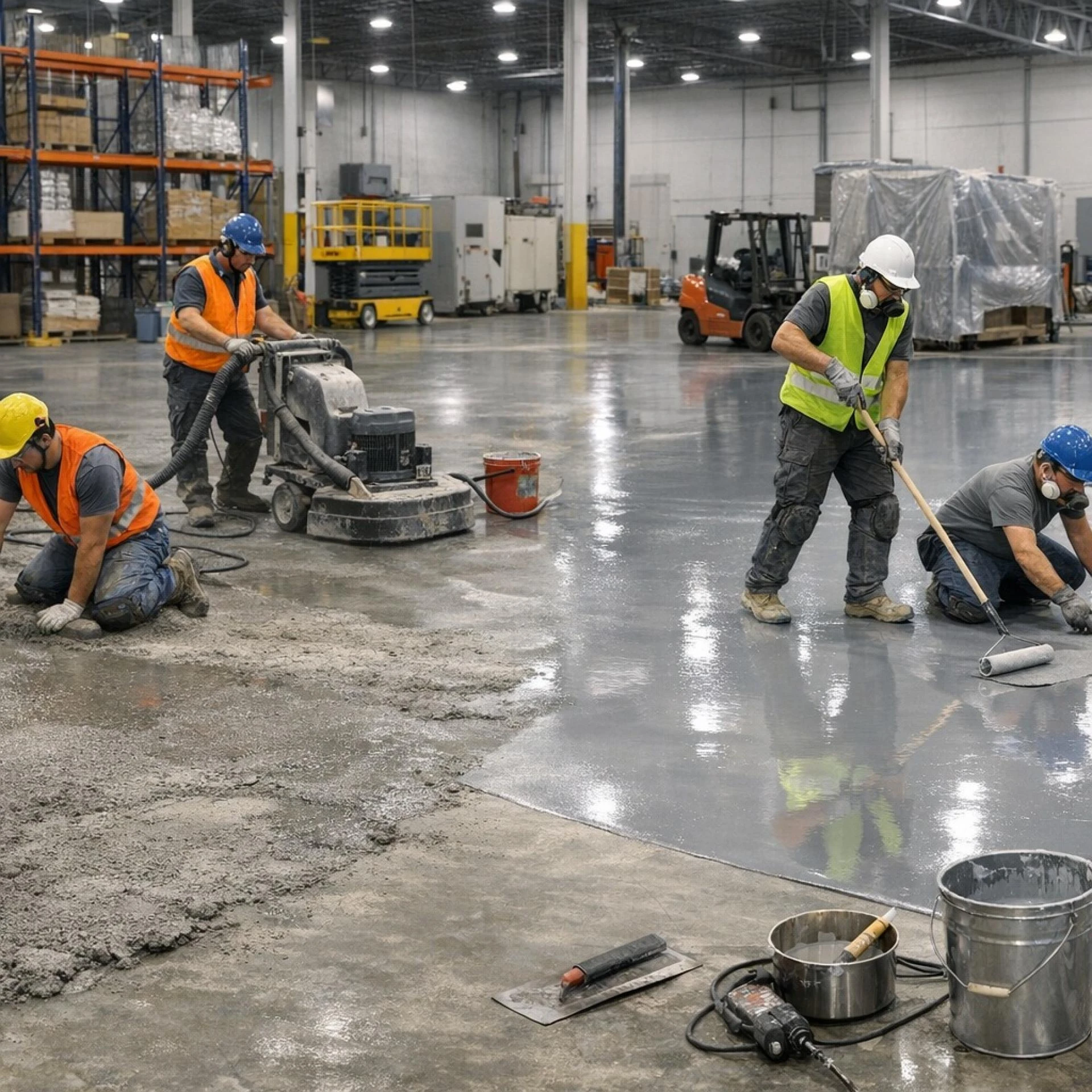

Commercial flooring decisions shape how a workspace performs, looks, and survives daily abuse. Yet many businesses rush this step, only to regret it later, often while staring at peeling epoxy or cracked concrete. Flooring failures don’t happen by magic. They happen because of avoidable mistakes.
If you’re planning a new setup or renovation and exploring Industrial Flooring Services in Delhi NCR, this guide will help you sidestep costly errors before they harden, literally.
Let’s walk through the most common mistakes businesses make during commercial flooring installation, and how smart planning saves money, time, and patience.
1. Ignoring the Actual Usage of the Space
Not all floors live the same life. A warehouse floor works harder than a hotel lobby, yet many businesses treat them equally. Heavy traffic or spills demand the right materials. Consulting Building Waterproofing Contractors in Delhi NCR early can prevent moisture problems and help your industrial floor coating last longer.
Heavy forklifts, chemical spills, foot traffic, or temperature changes demand different materials. Choosing decorative flooring for an industrial area often leads to cracks, stains, and early replacement.
Heavy-duty industrial flooring exists for a reason. According to ASTM International flooring standards, industrial floors must meet specific load, abrasion, and chemical resistance requirements. Ignoring those standards shortens floor life dramatically.
Logic check: If your floor can’t handle your business, your business ends up handling repairs.
Also Read: The Real Cost of Ignoring Water Damage and How Waterproofing Helps Avoid It
2. Choosing the Wrong Industrial Floor Coating
Many businesses pick an industrial floor coating based on cost alone. That decision often backfires. For areas near restrooms or wet zones, combining quality coatings with Bathroom Waterproofing Services in Delhi NCR ensures moisture doesn’t ruin the floor prematurely.
Epoxy, polyurethane, and polyaspartic coatings all behave differently. Epoxy offers durability and chemical resistance, but it doesn’t suit areas with UV exposure. Polyurethane handles heat better. Polyaspartic cures fast but costs more.
Reliable epoxy flooring solutions work best when installers match the coating to the environment, not just the budget. The National Association of Floor Covering Technicians (NAFCT) stresses compatibility as a key factor in long-term performance.
Cheap coatings crack fast. Quality coatings earn their keep.
3. Poor Surface Preparation Before Installation
This mistake ruins more floors than heavy machinery ever could.
Concrete may look solid, but hidden moisture, dust, oil, or micro-cracks weaken adhesion. Skipping grinding, moisture testing, or cleaning leads to bubbling, peeling, and delamination.
Concrete floor resurfacing requires mechanical preparation that meets ASTM D4259 standards. Without that prep, even premium coatings fail.
Think of surface prep like brushing teeth before a dental checkup. Skip it, and problems show up fast.
4. Underestimating Moisture Issues in Concrete
Concrete breathes. Moisture moves through it constantly. Many businesses ignore this fact until coatings blister or discolor.
According to the American Concrete Institute (ACI), moisture vapor transmission remains one of the leading causes of industrial flooring failure. Proper testing, vapor barriers, and moisture-tolerant systems prevent these issues.
This step matters even more in warehouses and basements using warehouse flooring systems. Moisture doesn’t care about deadlines or budgets.
5. Hiring Inexperienced Installers
A good product fails in bad hands.
Some contractors offer low prices but lack experience with industrial environments. Poor mixing ratios, rushed curing times, or incorrect application thickness compromise performance.
Professional installers follow manufacturer guidelines and industry standards. Companies like Radco Buildtech Pvt. Ltd., visible through their Google My Business profile, emphasize certified processes and location-verified expertise.
If an installer avoids explaining their method, that silence speaks loudly.
6. Ignoring Safety and Compliance Standards
Floors affect safety more than most people realize. Slips, trips, and falls account for thousands of workplace injuries each year, according to OSHA.
Ignoring slip resistance, fire ratings, or load capacity puts workers and compliance at risk. Anti-skid textures, chemical resistance, and proper markings reduce accidents and insurance claims.
A smart commercial flooring installation protects people before it impresses visitors.
Also Read: Common Bathroom Leak Problems in Faridabad Homes and How to Solve Them
7. Skipping Maintenance Planning
Some businesses expect floors to last forever without care. Floors don’t share that optimism.
Every system needs maintenance. Epoxy floors require periodic inspections. Warehouse floors need joint checks. Resurfaced concrete benefits from sealers.
Planning maintenance from day one extends lifespan and lowers lifecycle costs. That approach aligns with ISO facility management best practices.
No maintenance plan equals surprise expenses, and nobody likes those.
8. Overlooking Waterproofing Around Flooring Systems
Water damages floors silently and relentlessly. Leaks from bathrooms, basements, or adjoining areas weaken adhesives and cause long-term structural issues. Installing excellent flooring over poorly waterproofed surfaces is a mistake many businesses make.
To prevent this, consult professional Building Waterproofing Contractors in Delhi NCR early in the planning stage. Their guidance ensures moisture issues are detected before flooring installation.
Additionally, coordinating with certified Waterproofing Contractors in Delhi NCR can safeguard foundations and prolong the life of your commercial flooring installation. Even smaller spaces like restrooms benefit from Bathroom Waterproofing Services in Delhi NCR, protecting against hidden leaks that can compromise your investment.
9. Choosing Style Over Performance
A glossy floor looks great on day one. On day thirty, scratches tell a different story.
Industrial spaces need performance first, aesthetics second. Fortunately, modern epoxy flooring solutions balance both. Textured finishes, color zoning, and durable topcoats offer style without sacrificing strength.
If a floor can’t survive daily operations, it doesn’t belong there, no matter how good it looks on Instagram.
10. Failing to Think Long-Term
Short-term savings often create long-term losses.
Businesses that avoid proper industrial floor coating systems, skip testing, or rush installation often pay double for repairs or replacement. Lifecycle cost analysis, recommended by facility management professionals, helps avoid this trap.
Quality floors last decades when installed correctly. That return on investment beats repeated patchwork every time.
Final Thoughts: Build Floors That Work as Hard as You Do
Commercial flooring doesn’t just sit there. It supports operations, protects safety, and reflects professionalism.
Avoiding these common mistakes ensures your heavy-duty industrial flooring performs under pressure. Whether you manage warehouses, factories, or commercial spaces, informed decisions matter.
If you’re exploring Industrial Flooring Services in Delhi NCR, work with verified professionals, demand standards-based processes, and value preparation as much as materials.
Strong floors don’t happen by accident. They happen by design.
Sign in to leave a comment.