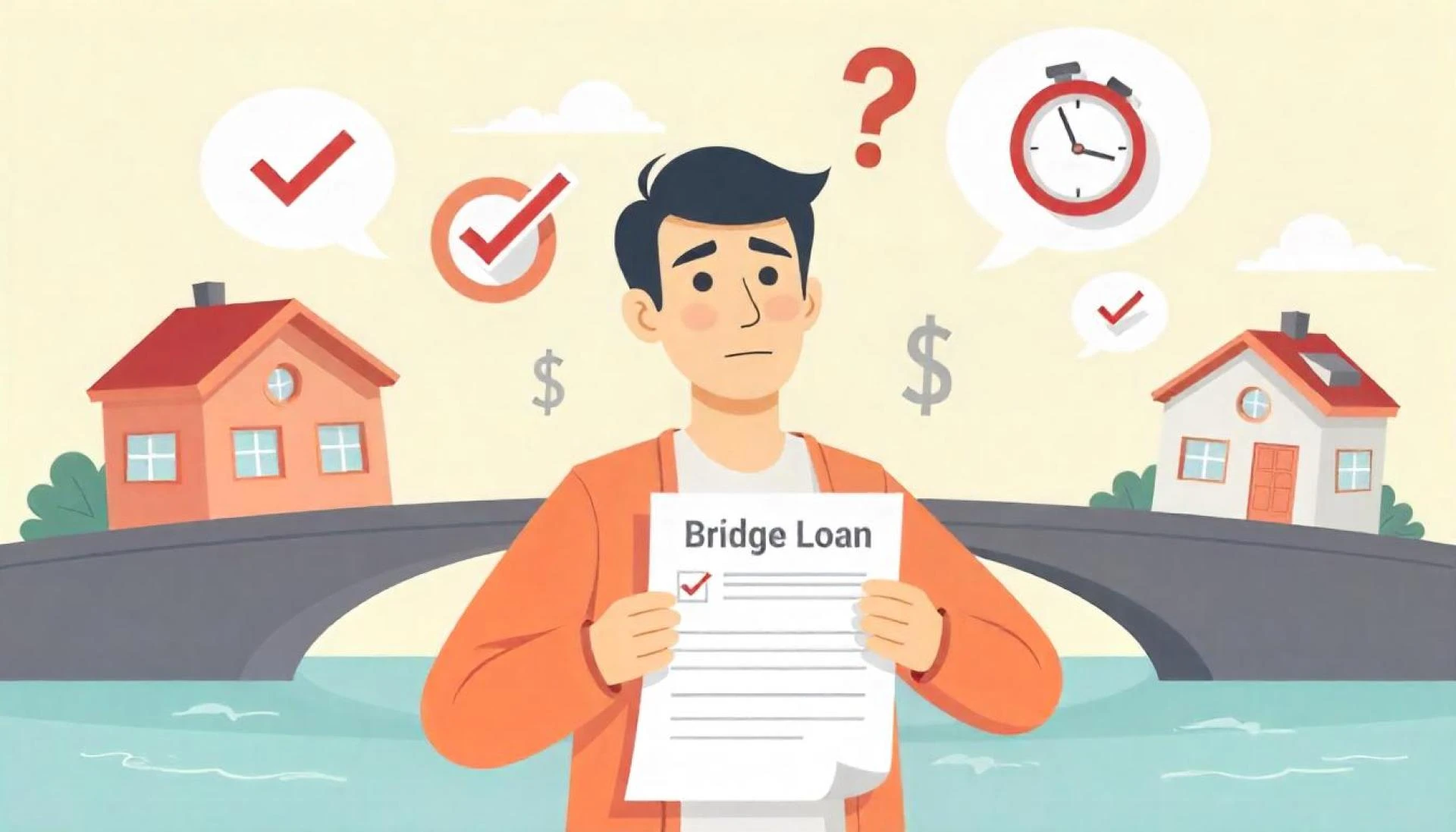

Hard money bridge loans are ideal for short-term real estate investments. These loans offer fast funding and flexible terms. They help bridge the financial gap between buying and selling a property. But while they’re accessible, they’re not without risks. Many borrowers rush through the process or overlook key details.
This often leads to costly delays or denials. Understanding the common mistakes in advance can save both time and money. Whether you're a seasoned investor or new to hard money loans, avoiding these pitfalls is crucial. Let’s explore the most common errors people make—and how you can avoid them.
Hard Money Bridge Loan Mistakes That Could Cost You
1. Failing to Do Proper Due Diligence
Many borrowers focus only on the speed of funding. They forget to research the lender or understand the loan terms. Due diligence is equally important as finding the right property. This means reviewing the lender’s track record, reading all terms, and asking the right questions. Some bridge loans for real estate come with hidden fees or early repayment penalties. Others might offer terms that don’t suit your investment timeline. Always check reviews, read the full contract, and understand the repayment structure. Rushing into a deal without proper research can put your entire investment at risk.
2. Overestimating the Borrower’s Exit Strategy
An exit strategy is how you plan to repay the loan. Many borrowers assume they’ll easily refinance or sell the property on time. But markets shift and delays happen. Relying too much on a perfect outcome is risky. What if the property doesn’t sell in time? What if refinancing options fall through? It’s smart to prepare a backup plan. Always include extra time in your timeline. A well-thought-out exit strategy adds confidence for both you and your hard money lenders in Florida. Moreover, it reduces the risk of default or penalty.
3. Not Properly Structuring the Loan Request
Lenders expect clear, organized loan requests. Poorly prepared applications often get ignored or delayed. Your request should include a solid property analysis, project timeline, and repayment plan. Be transparent about your financial background and credit score. Include photos, appraisals, and repair estimates if applicable. Incomplete or unclear applications lead to questions and slow the approval process. Furthermore, it gives the impression you’re unprepared. The more information you provide, the faster and smoother the process will be. It also increases trust and confidence with the lender.
4. Failing to Identify Sufficient Collateral
Hard money loans are asset-based. That means the property serves as the main security for the loan. If the collateral is weak or overvalued, the lender may deny your request. It’s important to understand the true market value of your property. Don’t rely on outdated or personal estimates. If the property requires repairs, be upfront about the costs. Commercial real estate lenders prefer realistic and conservative valuations. Overestimating value or hiding flaws only creates problems later. What's more, having strong collateral improves your chance of approval and better terms.
5. Rushing the Application Process
Speed is a big advantage of hard money loans. But rushing through the process can backfire. Some borrowers skip important documents or fail to review the terms carefully. Others agree to high fees just to get fast funding. Taking a little extra time to gather all needed paperwork pays off. Review every part of the agreement before signing. Ask for clarification if something is unclear. Lastly, make sure all financial records are up to date and accurate. A rushed application often leads to delays—or worse, rejection.
6. Ignoring the Total Cost of the Loan
Many borrowers focus only on interest rates. But hard money bridge loans come with many additional costs. There are origination fees, closing costs, appraisal fees, and possible extension charges. When combined, these can raise your total cost significantly. Before applying, calculate the full cost of the loan. Make sure your investment can absorb these expenses. Also, check if there are penalties for paying off the loan early or late. Too often, borrowers realize too late that the deal is less profitable than expected. Planning for all costs protects your return on investment.
7. Choosing the Wrong Lender
Not all hard money lenders are the same. Some specialize in residential properties, others in commercial deals. A mismatch can lead to poor service or declined applications. Again, choosing based on speed or low rates alone can be risky. Look for a lender who understands your project type. One with experience in your property market adds value. Ask about their past deals and approval timelines. Talk to past clients if possible. Furthermore, trust and communication are essential. A reliable lender will guide you, not rush or pressure you. Choosing the right partner makes the entire process smoother.
Conclusion
Hard money bridge loans can be a valuable tool for real estate investors. But like any financial product, they require careful handling. Avoiding these common mistakes can help you secure funding faster and with better terms. Always do your research, prepare well, and choose a lender you trust. What’s more, take time to understand the full cost and have a solid exit strategy in place.
Ready to make your next real estate move with confidence? Partner with a trusted hard money lender and get fast, flexible funding tailored to your goals. Start your HML investment journey today!




























Sign in to leave a comment.