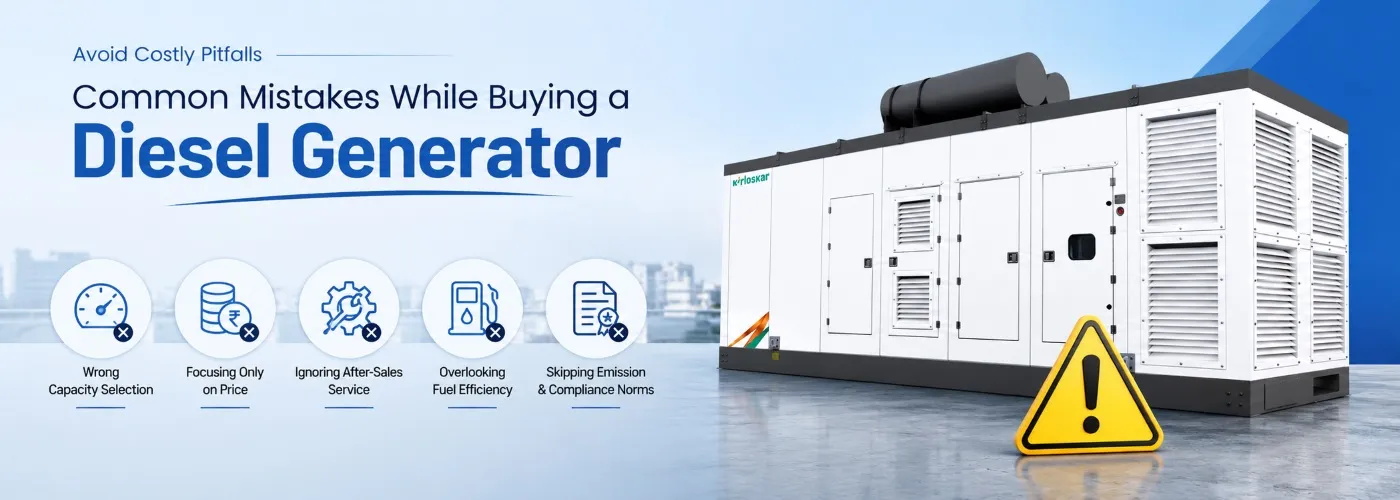

Buying a diesel generator is often treated as a one-time purchase, but the wrong decision can increase fuel costs, create maintenance problems, or even leave critical operations without backup power. While comparing brands and prices is common, experienced buyers pay closer attention to load requirements, compliance, installation, and long-term operating costs. Here are the mistakes that matter most.
The Biggest Buying Mistake Starts Before You Compare Brands
Many buyers choose a generator based on the total connected load instead of the actual operating load. This approach ignores motor starting current, future expansion, and peak demand. An undersized generator may trip during startup, while an oversized one can run inefficiently at low loads. A proper load assessment should consider running load, starting load, and expected operating conditions before selecting the kVA rating.
A Cheap Generator Can Become the Costliest Investment
The purchase price is only one part of the total investment. Fuel consumption, maintenance intervals, spare part availability, engine durability, and service costs influence the generator's lifetime expense. A unit with a lower purchase price may end up costing significantly more over several years if it consumes more fuel or requires frequent repairs. Looking at the total cost of ownership provides a more realistic comparison.
Compliance Isn't Paperwork—It Determines Where You Can Operate
Environmental regulations continue to evolve, and diesel generators used in many applications must meet applicable emission standards. Ignoring compliance requirements, such as CPCB IV+ norms where applicable, can create operational and regulatory challenges later. Buyers should confirm local requirements before purchasing instead of assuming every generator is suitable for every location.
Today's Load Isn't Always Tomorrow's Load
A generator selected only for current demand may become inadequate after business expansion or equipment upgrades. New machines, additional air-conditioning systems, production lines, or higher occupancy can increase power requirements over time. Allowing a reasonable capacity margin during planning helps avoid expensive generator replacement in the near future.
Installation Can Affect Performance More Than Expected
Even a high-quality generator may not perform efficiently if it is installed incorrectly. Poor ventilation, inadequate exhaust routing, weak foundations, improper cable sizing, or restricted airflow can reduce performance and increase maintenance issues. Installation planning should receive the same attention as equipment selection because both directly affect reliability and operating life.
Service Support Matters Long After the Purchase
A diesel generator requires periodic servicing, inspections, and genuine replacement parts throughout its life. Buyers often compare technical specifications but overlook the availability of qualified technicians and local service support. Delayed maintenance or difficulty obtaining spare parts can increase downtime, especially when backup power is needed during unexpected outages.
Ask These Five Questions Before Making the Final Decision
Before placing an order, confirm the answers to five essential questions.
- What is the actual running and starting load?
- Will future expansion increase power demand?
- Are there emission regulations that apply to the installation site?
- Is the generator intended for prime or standby operation?
- Who will provide maintenance and spare parts over the coming years?
Answering these questions helps reduce risk and leads to a more informed purchasing decision.
Final Thoughts
Buying a diesel generator is not simply about selecting a kVA rating or finding the lowest quotation. Reliable performance depends on accurate load planning, regulatory compliance, proper installation, long-term operating costs, and dependable service support. Evaluating these factors before purchasing can help prevent avoidable expenses and ensure the generator remains a dependable source of backup power for years to come.























Sign in to leave a comment.