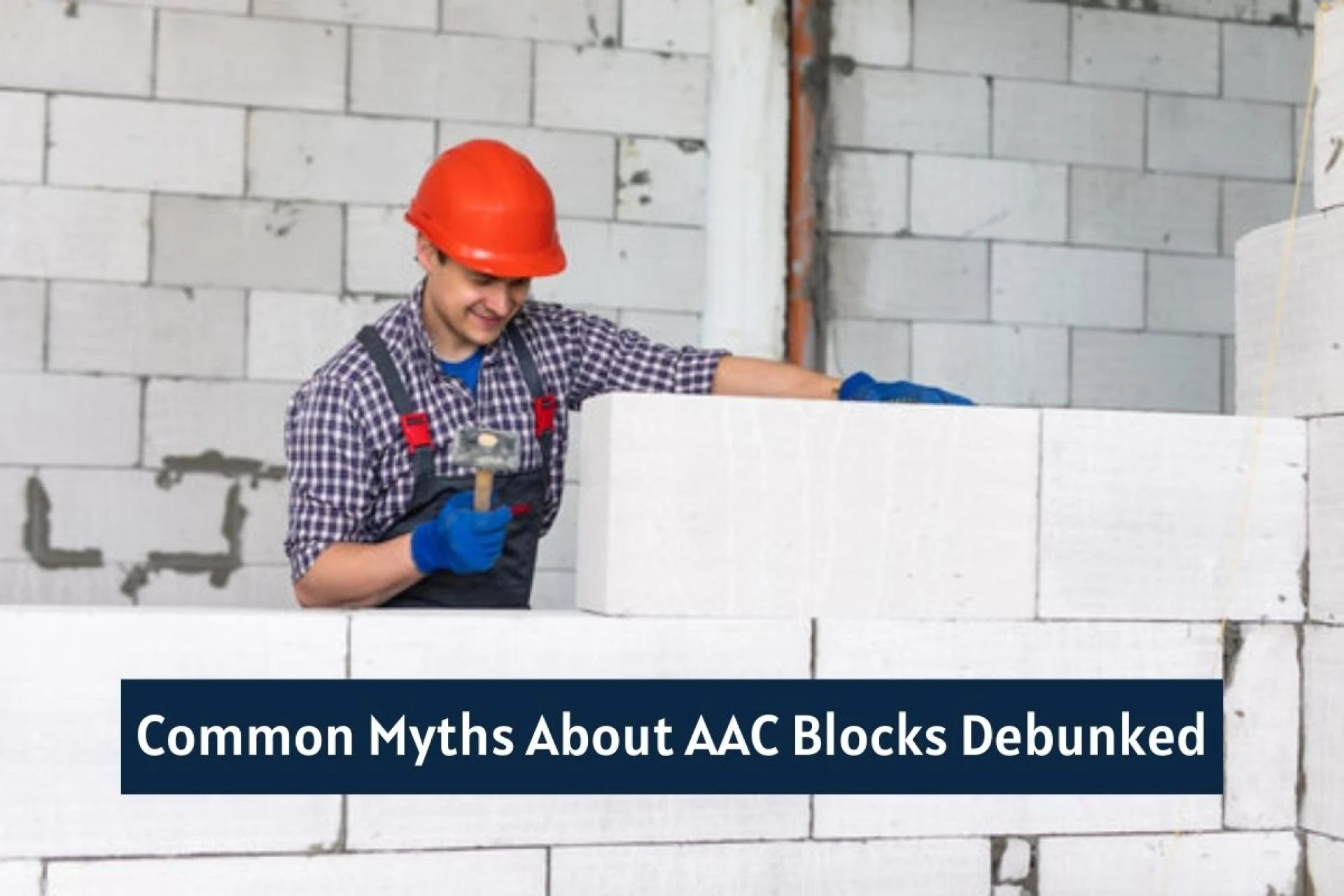

AAC (Autoclaved Aerated Concrete) blocks have gained immense popularity in the construction industry for their lightweight, eco-friendly, and cost-effective properties.
However, despite their growing adoption, there are several misconceptions about AAC blocks that prevent people from fully embracing them. Let’s take a closer look at some of the most common myths and reveal the truth behind them.
Myth 1: AAC Blocks Are Not Strong Enough for Large Constructions
Reality:
One of the most persistent myths about AAC blocks is that they lack strength. In truth, AAC blocks are highly durable and designed to withstand heavy loads. They have excellent compressive strength, making them suitable for multi-story buildings, industrial projects, and even earthquake-prone areas.
Myth 2: AAC Blocks Are Only for Lightweight Structures
Reality:
While AAC blocks are lightweight, they are not limited to small-scale or lightweight structures. Their lightweight nature helps reduce the overall dead load of the building without compromising structural integrity, making them ideal for a wide range of construction projects.
Myth 3: AAC Blocks Are Not Water-Resistant
Reality:
AAC blocks have excellent moisture resistance due to their closed cellular structure. When properly plastered or coated, they can effectively prevent water seepage. Additionally, they are less prone to water absorption compared to traditional bricks.
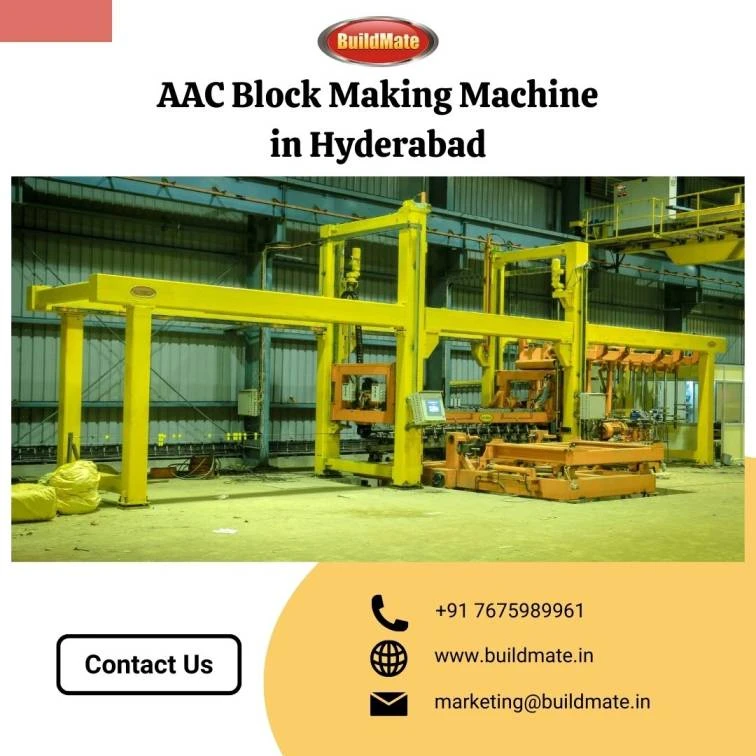
Buildmate specializes in providing high-performance AAC Block Making Machines in India that deliver reliable results. With advanced technology, these machines produce high-quality, lightweight AAC blocks for efficient and sustainable construction. Maximize your production capacity while reducing energy consumption—trust Buildmate for your AAC block manufacturing needs.
Myth 4: AAC Block Manufacturing is Harmful to the Environment
Reality:
AAC blocks are one of the most eco-friendly construction materials available today. Their production process uses fly ash (a waste product from thermal plants), which helps in recycling industrial by-products. Moreover, AAC blocks reduce energy consumption during construction and improve thermal efficiency, contributing to a sustainable environment.
Myth 5: AAC Blocks Are Expensive
Reality:
Although AAC blocks might have a higher initial cost compared to traditional bricks, they offer long-term savings. AAC blocks reduce construction time, labor costs, and energy expenses due to their thermal insulation properties, making them cost-effective in the long run.
Myth 6: AAC Blocks Are Difficult to Work With
Reality:
On the contrary, AAC blocks are easy to handle and install. They can be cut, drilled, and shaped with standard tools, allowing for greater flexibility and faster construction compared to traditional bricks.
Myth 7: AAC Blocks Are Not Fire-Resistant
Reality:
AAC blocks are highly fire-resistant, withstanding temperatures of up to 1,200°C for prolonged periods. This makes them an excellent choice for structures where fire safety is a priority.
Myth 8: AAC Blocks Have Poor Sound Insulation
Reality:
AAC blocks provide excellent sound insulation due to their porous structure, making them ideal for residential and commercial projects in noisy environments.
Myth 9: AAC Blocks Are a Passing Trend
Reality:
Far from being a passing trend, AAC blocks are shaping the future of construction. With increasing demand for sustainable and efficient building materials, AAC blocks are becoming the preferred choice for modern construction practices.
AAC blocks are revolutionizing the construction industry, but myths and misconceptions often cloud their true potential. By debunking these myths, it’s clear that AAC blocks are not only a reliable and eco-friendly alternative to traditional building materials but also a smart investment for the future.




























Sign in to leave a comment.