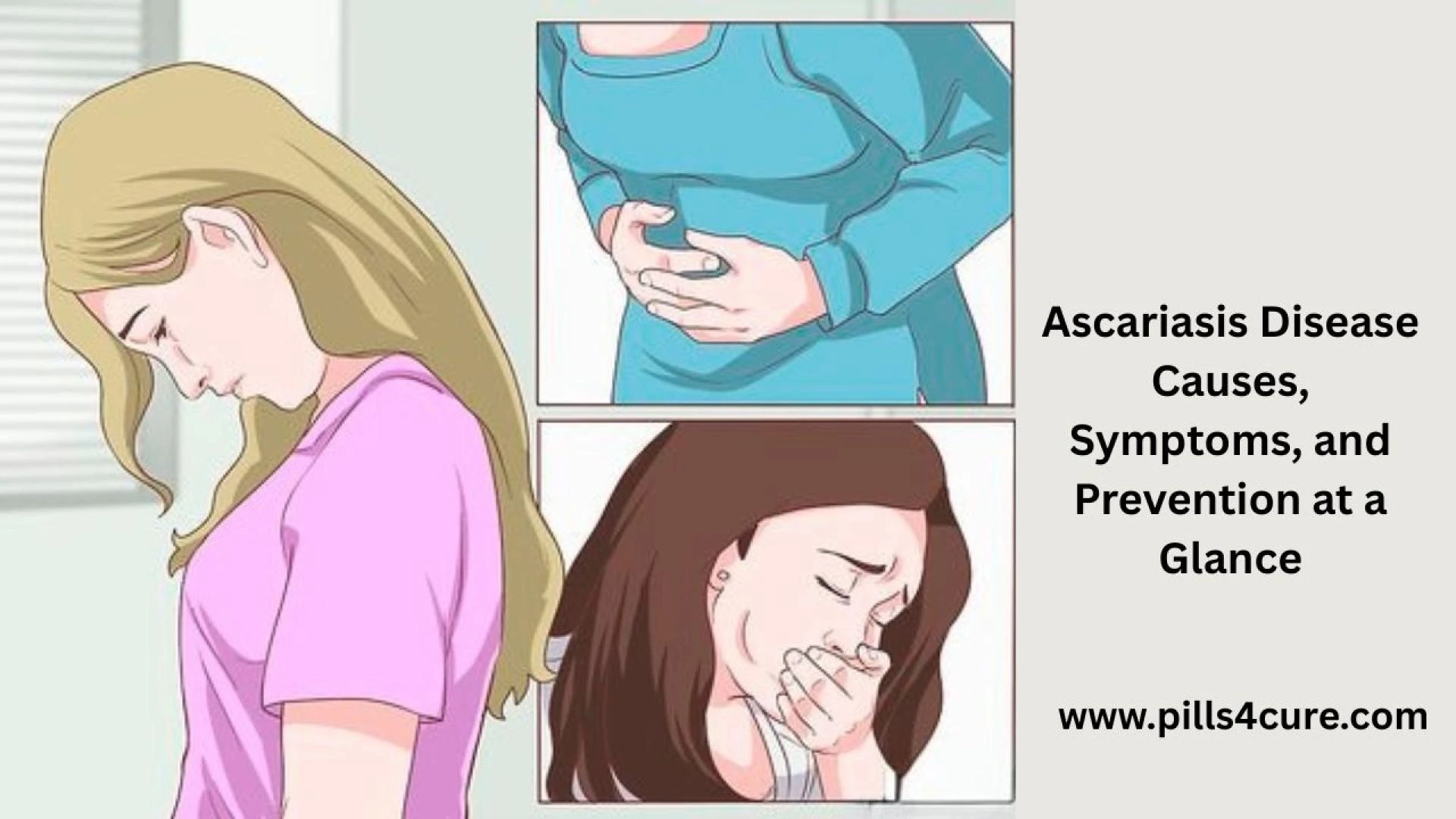

Ascariasis disease is among the most widespread parasitic infections worldwide, yet many misconceptions continue to surround this condition. Caused by the roundworm Ascaris lumbricoides, this intestinal infection affects millions globally, including communities in the United Kingdom. Despite its prevalence, myths about ascariasis often result in delayed diagnosis, inappropriate treatment, and unnecessary worry for those affected. In reality, ascariasis symptoms and transmission differ greatly from common assumptions. Misunderstandings about how the infection spreads, who is most at risk, and which treatments such as the clinically recommended ivermectin 12 mg tablet are effective can prevent people from getting the right care. By dispelling these myths and sharing evidence-based facts, this guide helps you understand the condition better and take the right steps for prevention and treatment.
Understanding Ascariasis Disease: The Basics
Before addressing common misconceptions, it's essential to establish a foundational understanding of what ascariasis actually entails. Ascariasis is a parasitic infection caused by Ascaris lumbricoides, a large roundworm that inhabits the human intestine. These parasites can grow up to 35 centimetres in length, making them one of the largest intestinal worms affecting humans.
The infection occurs when a person ingests microscopic Ascaris eggs, typically through contaminated food, water, or soil. Once swallowed, these eggs hatch in the small intestine, releasing larvae that penetrate the intestinal wall and travel through the bloodstream to the lungs. After maturing in the lungs, the larvae are coughed up and swallowed again, eventually developing into adult worms in the intestines where they can survive for one to two years.
Whilst ascariasis is more prevalent in tropical and subtropical regions with poor sanitation, cases do occur in the UK, particularly amongst travellers returning from endemic areas or individuals with specific occupational exposures. The condition can range from asymptomatic cases to severe infections causing significant health complications, making accurate information about prevention and treatment vital for public health.
Myth 1: Ascariasis Only Affects People in Developing Countries
The Reality of Ascariasis in the UK
One of the most persistent myths suggests that ascariasis disease is exclusively a problem in developing nations. Whilst it's true that ascariasis infection is more common in regions with inadequate sanitation infrastructure, this belief dangerously underestimates the risk closer to home. The UK does see cases of ascariasis, particularly amongst international travellers, agricultural workers, and individuals who consume imported produce that may not have been properly washed.
Healthcare professionals in the UK regularly diagnose ascariasis in patients who have recently travelled to endemic regions. The incubation period can extend several weeks, meaning symptoms of ascariasis may not manifest until after returning home. Additionally, with globalisation and increased movement of people and goods, the potential for transmission exists even in countries with excellent sanitation systems.
Climate change and evolving agricultural practices may also influence the geographical distribution of parasitic infections. Complacency based on geographical assumptions can lead to missed diagnoses and delayed treatment. Healthcare providers in the UK are trained to consider ascariasis in their differential diagnosis, particularly when patients present with relevant travel history or unexplained gastrointestinal and respiratory symptoms.
Myth 2: Ascariasis Disease Symptoms Are Always Obvious
The Silent Nature of Many Infections
Many people assume that ascariasis infection always produces dramatic, easily recognisable symptoms. However, the reality is far more nuanced. A significant proportion of infected individuals experience mild symptoms or remain entirely asymptomatic, particularly in cases of light worm burden. This misconception can lead people to believe they're unaffected when they may actually be harbouring the parasite.
When symptoms of ascariasis do occur, they often develop in stages corresponding to the parasite's life cycle. During the initial larval migration through the lungs, some individuals may experience respiratory symptoms including cough, wheezing, and shortness of breath, which are frequently mistaken for common respiratory infections or asthma. These early manifestations can resolve spontaneously, further obscuring the true diagnosis.
As adult worms establish themselves in the intestines, ascariasis disease symptoms may include vague abdominal discomfort, nausea, or changes in appetite. In heavier infections, individuals might experience more pronounced symptoms such as abdominal pain, visible worms in stool, or intestinal obstruction. However, the spectrum of presentation is remarkably broad, and the absence of severe symptoms does not rule out infection. Regular health check-ups and appropriate screening for at-risk individuals remain important, regardless of symptom presence.
Myth 3: You Can Only Contract Ascariasis from Contaminated Water
Multiple Transmission Routes
The misconception that contaminated water is the sole transmission route for ascariasis infection oversimplifies the epidemiology of this disease. While water contaminated with Ascaris lumbricoides eggs can certainly transmit infection, this represents only one of several potential exposure pathways. Understanding the diverse transmission mechanisms is crucial for implementing effective prevention strategies.
Contaminated soil poses a significant risk, particularly for individuals engaged in gardening, agricultural work, or activities involving direct soil contact. Ascaris eggs can survive in soil for extended periods, remaining infectious for months or even years under favourable conditions. Raw or inadequately washed vegetables and fruits grown in contaminated soil can harbour these microscopic eggs on their surfaces, serving as vehicles for transmission even when the water used for washing appears clean.
Food handlers who don't maintain rigorous hand hygiene can inadvertently contaminate food items during preparation. This route is particularly relevant in settings where sanitation facilities are inadequate or where food safety protocols aren't strictly enforced. The eggs of Ascaris lumbricoides are remarkably resilient and can resist many routine cleaning procedures, emphasising the importance of thorough washing and, where appropriate, cooking of food items. Person-to-person transmission doesn't typically occur, as the eggs require a period of maturation in soil before becoming infectious, but environmental contamination from infected individuals can perpetuate the cycle of transmission.
Myth 4: Ascariasis Always Requires Immediate Aggressive Treatment
Evidence-Based Treatment Approaches
There's a common belief that all cases of ascariasis disease demand immediate, intensive medical intervention. Whilst prompt treatment is certainly advisable, the approach to managing ascariasis infection should be tailored to the individual case, considering factors such as worm burden, symptom severity, and patient characteristics. Not every case requires urgent hospitalisation or invasive procedures.
For uncomplicated cases of ascariasis, treatment typically involves MHRA-approved antiparasitic medications administered on an outpatient basis. Ivermectin 12 mg tablet formulations, amongst other antiparasitic agents, may be prescribed under medical supervision following proper diagnosis. These medications work by paralysing the worms, allowing them to be expelled naturally through bowel movements. Most patients respond well to a short course of treatment, with symptoms resolving within days to weeks.
Healthcare professionals assess each case individually, considering the severity of symptoms of ascariasis and any complications present. Mild infections in otherwise healthy individuals may be managed with a single course of medication and follow-up monitoring. More severe cases, particularly those involving intestinal obstruction or migration of worms to unusual sites, may require additional interventions or hospitalisation. The key is appropriate medical assessment rather than assuming all cases require emergency treatment or, conversely, that all cases can be safely ignored.
Myth 5: Ascariasis Infection Can Be Cured with Home Remedies Alone
The Importance of Medical Treatment
The internet abounds with claims that various home remedies, herbal preparations, or dietary modifications can effectively eliminate ascariasis infection without medical intervention. Whilst certain traditional practices may support overall health, relying exclusively on unproven home remedies for ascariasis disease can be dangerous and may allow the infection to progress, potentially causing serious complications.
Ascaris lumbricoides is a resilient parasite that has evolved sophisticated mechanisms to survive within the human host. Effective eradication requires medications specifically designed to target the parasite's physiology. MHRA-approved treatments have undergone rigorous testing to demonstrate safety and efficacy, providing reliable cure rates when used as directed. Home remedies, regardless of how natural or traditional they may be, lack this scientific validation and may offer false reassurance whilst the infection persists.
Delaying proper medical treatment in favour of untested alternatives can allow the worm burden to increase, potentially leading to complications such as intestinal obstruction, biliary or pancreatic duct blockage, or nutritional deficiencies. Certain home remedies might even be contraindicated in individuals with specific health conditions or those taking particular medications. Whilst maintaining good nutrition and supporting immune function are sensible adjuncts to medical care, they should never replace evidence-based antiparasitic treatment. Consulting with a qualified healthcare professional ensures you receive appropriate diagnosis and treatment whilst avoiding potentially harmful delays.
Myth 6: Once Treated, You Cannot Get Ascariasis Again
Understanding Reinfection Risk
A dangerous misconception suggests that successfully treating ascariasis infection provides lasting immunity against future infections. Unfortunately, this is entirely false. Unlike some viral infections that stimulate long-lasting protective immunity, ascariasis disease does not confer significant immunity following treatment or even natural clearance of infection. Individuals remain susceptible to reinfection if exposed to Ascaris lumbricoides eggs again.
This lack of protective immunity means that prevention strategies must be maintained throughout life, not just until treatment is completed. People living in or travelling to endemic areas face ongoing risk if they don't consistently practise good hygiene and food safety measures. Even individuals who have been successfully treated multiple times remain vulnerable to subsequent infections with each new exposure.
The possibility of reinfection underscores the importance of addressing environmental sources of contamination and maintaining rigorous personal hygiene practices. Treatment eliminates the current infection but does nothing to prevent future exposures. In endemic settings, reinfection rates can be substantial, particularly amongst individuals whose living conditions or occupations involve regular contact with contaminated soil or food. Understanding this reality helps people appreciate why preventive measures must become permanent lifestyle habits rather than temporary precautions during active infection.
Recognising Genuine Symptoms of Ascariasis
Early-Stage Manifestations
Identifying ascariasis disease symptoms requires awareness of both early and late manifestations of infection. During the initial phase, when Ascaris larvae migrate through the lungs, affected individuals may experience respiratory symptoms that are often mistaken for other conditions. These can include a persistent dry cough, wheezing, chest discomfort, and occasionally fever. Some people develop a condition called Löffler's syndrome, characterised by cough, shortness of breath, and the presence of eosinophils in blood tests.
These respiratory symptoms typically emerge approximately one to two weeks after ingesting infectious eggs and may persist for several days to weeks. The intensity of symptoms often correlates with the number of larvae migrating through the lungs. Light infections might produce minimal respiratory symptoms, whilst heavier infections can cause more pronounced respiratory distress. Unfortunately, these early symptoms are non-specific and easily attributed to common respiratory infections, potentially delaying accurate diagnosis.
Blood tests during this phase may reveal elevated eosinophil counts, a characteristic feature of many parasitic infections. However, this finding alone is not diagnostic of ascariasis and requires correlation with clinical presentation and travel or exposure history. Chest radiographs might show transient infiltrates that resolve as larvae complete their migration to the intestines. Recognition of these early-stage symptoms, particularly in individuals with relevant exposure history, can facilitate earlier diagnosis and treatment.
Intestinal Phase Symptoms
As adult worms establish themselves in the small intestine, the symptom pattern shifts. Many individuals with light infections remain asymptomatic during this phase, with worms being discovered incidentally during stool examinations for other reasons or when a worm is passed spontaneously. However, moderate to heavy infections often produce more noticeable intestinal symptoms that bring patients to medical attention.
Common intestinal-phase symptoms of ascariasis include vague abdominal discomfort, particularly in the upper abdomen, accompanied by intermittent nausea. Some individuals experience changes in appetite, alternating between increased hunger and loss of appetite. Unexplained weight loss can occur, particularly in cases where multiple worms compete for nutrients or cause malabsorption. Diarrhoea or loose stools may develop, though constipation can also occur, especially if worms form a mass that partially obstructs the intestinal lumen.
In heavy infections, serious complications can develop. Intestinal obstruction represents one of the most concerning complications, typically presenting with severe abdominal pain, distension, vomiting, and inability to pass stool or gas. This constitutes a medical emergency requiring urgent intervention. Occasionally, adult worms migrate from the intestines into bile ducts or the pancreatic duct, causing biliary colic, cholangitis, or pancreatitis. Very rarely, worms may be coughed up or emerge from the nose, a distressing but diagnostic finding. Visible worms in stool samples provide definitive evidence of ascariasis infection and should prompt immediate medical consultation.
Essential Precautions to Prevent Ascariasis Disease
Hygiene Practices
Preventing ascariasis infection fundamentally depends on interrupting the transmission cycle of Ascaris lumbricoides eggs from contaminated environments to human hosts. Personal hygiene represents the first line of defence against this parasitic infection. Thorough handwashing with soap and clean water is paramount, particularly before handling food, before eating, and after using toilet facilities. This simple practice removes microscopic eggs that may have contaminated hands through environmental contact.
Hand hygiene becomes especially critical after activities involving potential soil exposure, such as gardening, agricultural work, or outdoor recreation. Ascaris eggs can persist on hands even when they appear visibly clean, as the eggs are microscopic and can lodge beneath fingernails or in skin creases. Using a nail brush during handwashing helps ensure comprehensive cleaning of these easily overlooked areas. When soap and water aren't immediately available, alcohol-based hand sanitisers provide a temporary measure, though they may not be as effective against Ascaris eggs as thorough washing with soap and water.
Educating household members about proper hygiene practices creates a protective environment for everyone. Children particularly benefit from supervision and guidance in developing good hygiene habits, though this article focuses on adult awareness and responsibility. Implementing consistent hygiene routines reduces not only ascariasis risk but also transmission of numerous other infectious diseases, making these practices valuable for overall health protection.
Food Safety Measures
Food-related transmission of ascariasis disease can be effectively prevented through careful attention to food sourcing, preparation, and consumption practices. Raw vegetables and fruits, particularly those grown in or near soil, require thorough washing under running water before consumption. Simply rinsing produce isn't sufficient; vigorous scrubbing of items with firm surfaces, such as carrots, potatoes, and apples, helps remove adhering soil particles that might harbour Ascaris eggs.
For produce that cannot be thoroughly cleaned or when uncertain about growing conditions, cooking provides an additional safety measure. Heat effectively kills Ascaris eggs, making properly cooked food safe for consumption. Salads and raw vegetables consumed in restaurants or food establishments deserve consideration, particularly when travelling to regions where ascariasis is endemic. Opting for cooked vegetables when in doubt represents a prudent precautionary approach.
Water safety intersects with food safety, as water used for washing produce or food preparation can introduce contamination if the water source itself is compromised. In areas where water quality is questionable, using bottled or properly treated water for food preparation and produce washing provides additional protection. Ice in beverages deserves similar scrutiny, as freezing does not kill Ascaris eggs. When travelling, choosing beverages that are commercially bottled or made with boiled water reduces risk. Home food preparation should involve separate cutting boards and utensils for raw and cooked foods, preventing cross-contamination that might inadvertently introduce parasites or other pathogens.
Environmental and Occupational Precautions
Certain occupations and activities inherently involve greater exposure to soil and thus potentially to Ascaris lumbricoides eggs. Agricultural workers, gardeners, landscapers, and others whose work involves regular soil contact should take enhanced precautions beyond standard hygiene practices. Wearing appropriate protective equipment, including gloves during soil work, creates a barrier between potentially contaminated materials and skin. However, gloves alone don't eliminate risk; proper glove removal technique and subsequent handwashing remain essential.
Designated work clothing that is changed and laundered separately from other garments helps prevent bringing contamination into living spaces. Shoes worn during agricultural or garden work should be removed before entering the home, preventing soil-borne eggs from being tracked indoors onto floors and carpets where they might survive and create ongoing exposure risk. Creating a dedicated area for removing and storing work clothing and equipment establishes a practical boundary between work environments and clean living spaces.
For individuals managing gardens or allotments, composting human waste is strongly discouraged in the UK, as this practice can perpetuate transmission of Ascaris and other parasites. Proper sewage disposal systems prevent environmental contamination with infectious eggs. When travelling to or residing in areas with different sanitation standards, being mindful of environmental conditions helps inform appropriate precautionary measures. Avoiding areas with obvious faecal contamination, particularly when barefoot or during activities where soil contact is likely, represents common-sense prevention. These environmental awareness practices, combined with personal hygiene and food safety measures, create comprehensive protection against ascariasis infection.
When to Seek Medical Attention
Recognising Warning Signs
Knowing when to consult a healthcare professional about potential ascariasis infection can mean the difference between simple outpatient treatment and serious complications. Certain symptoms warrant prompt medical evaluation, particularly when they occur in individuals with relevant exposure history. Persistent respiratory symptoms, including unexplained cough lasting more than a week, wheezing without a known asthma diagnosis, or shortness of breath, should prompt medical consultation, especially if accompanied by recent travel to endemic regions.
Gastrointestinal symptoms that persist or worsen over time deserve medical attention. These include ongoing abdominal pain, particularly if severe or accompanied by distension, persistent nausea or vomiting, unexplained weight loss, or changes in bowel habits that don't resolve spontaneously. The appearance of worms in stool, whilst diagnostic, should lead to immediate medical consultation even if the individual feels otherwise well, as this indicates active infection requiring treatment.
Severe symptoms that might indicate complications require urgent medical attention. These include intense abdominal pain, particularly if the abdomen becomes rigid or distended, persistent vomiting that prevents keeping down fluids or food, high fever, or any symptom suggesting intestinal obstruction. Jaundice, indicated by yellowing of the skin or eyes, might signal worm migration into bile ducts, constituting a medical emergency. Coughing up or passing a worm from the nose, whilst rare, represents definitive evidence of infection and should prompt immediate medical consultation. Early medical evaluation enables prompt diagnosis and treatment, preventing progression to more serious complications.
Diagnostic Procedures
When ascariasis disease is suspected, healthcare providers employ various diagnostic approaches to confirm infection and assess severity. The most straightforward method involves microscopic examination of stool samples to identify Ascaris eggs. However, this method has limitations; eggs appear in stool only after adult female worms have matured and begun reproducing, a process taking approximately two to three months after initial infection. Multiple stool samples collected on different days may be necessary to improve detection rates.
Blood tests can provide supportive evidence, particularly during the early respiratory phase when eosinophil counts typically increase. However, elevated eosinophils are non-specific and occur in many conditions, requiring interpretation within the clinical context. Imaging studies sometimes reveal evidence of ascariasis infection. Abdominal ultrasound or CT scans might visualise adult worms within the intestines or bile ducts, particularly when investigating abdominal pain or suspected complications. Chest radiographs during the larval migration phase may show transient infiltrates characteristic of Löffler's syndrome.
Occasionally, adult worms are discovered during endoscopic procedures performed for other indications or during surgical interventions. In cases where standard diagnostic methods prove inconclusive but clinical suspicion remains high, therapeutic trials of antiparasitic medication might be considered, with symptom resolution supporting the diagnosis. The diagnostic approach is tailored to each individual's presentation, with healthcare providers considering symptom pattern, exposure history, and the phase of infection when selecting appropriate tests. Prompt and accurate diagnosis enables timely treatment, reducing both individual suffering and the risk of complications.
Treatment Options: What Really Works
MHRA-Approved Medications
Effective treatment of ascariasis infection relies on medications that have undergone rigorous evaluation and received approval from the UK's Medicines and Healthcare products Regulatory Agency. These treatments work by either paralysing the worms, making them unable to maintain their position in the intestine, or by interfering with their cellular function, leading to their death. Once affected, the worms are naturally expelled through normal bowel movements, typically within days of treatment initiation.
Several antiparasitic medications have demonstrated efficacy against Ascaris lumbricoides. The choice of medication depends on various factors, including local prescribing guidelines, patient characteristics, potential drug interactions, and individual circumstances. Ivermectin 12 mg tablet formulations represent one option that may be prescribed under appropriate medical supervision, though dosing and treatment duration are determined by healthcare providers based on individual assessment. Alternative medications include other antiparasitic agents, each with specific dosing regimens and considerations.
Treatment courses are typically brief, often requiring only a single dose or a short course lasting one to three days, depending on the medication prescribed. Follow-up is important to ensure treatment success, sometimes involving repeat stool examinations several weeks after treatment to confirm parasite clearance. In cases of heavy worm burden or complications, additional monitoring or interventions might be necessary. Successful treatment not only eliminates current infection but also prevents potential complications that could arise from persistent parasitic presence. However, as previously noted, treatment doesn't confer immunity, making ongoing preventive practices essential.
Managing Complications
Whilst most cases of ascariasis disease respond well to standard antiparasitic treatment, complicated cases require additional management strategies. Intestinal obstruction caused by a mass of worms represents the most common serious complication, particularly in heavy infections. Initial management often involves conservative measures, including nasogastric suction, intravenous fluids, and close monitoring. Antiparasitic medications may be administered, though timing must be carefully considered, as dying worms can contribute to obstruction. In some cases, endoscopic intervention or surgery becomes necessary to relieve obstruction.
Migration of worms into bile ducts or the pancreatic duct requires specialised intervention. Endoscopic retrograde cholangiopancreatography might be employed to extract worms from these locations, relieving obstruction and preventing ongoing complications such as cholangitis or pancreatitis. Antiparasitic treatment follows once mechanical obstruction has been addressed. Rarely, worms migrate to other unusual sites, necessitating individualised management approaches based on location and associated complications.
Post-treatment care includes monitoring for symptom resolution and, in cases of heavy infection, assessment for nutritional deficiencies that may have developed during chronic infection. Some individuals benefit from nutritional support or supplementation as part of their recovery.
Healthcare providers develop comprehensive management plans that address both parasite elimination and any associated health impacts, ensuring complete recovery and reducing the risk of long-term consequences. The vast majority of individuals make full recoveries with appropriate treatment, highlighting the importance of timely medical consultation and adherence to prescribed treatment regimens.
Living with Ascariasis: Practical Considerations
Household Management
When a household member receives an ascariasis infection diagnosis, certain practical measures help prevent transmission to others whilst supporting recovery. Although person-to-person transmission doesn't occur directly, preventing environmental contamination within the home protects household members. The infected individual should maintain meticulous personal hygiene, including thorough handwashing after toilet use and before handling food. Separate towels and personal items prevent potential indirect transmission of various pathogens, though Ascaris specifically requires environmental maturation before becoming infectious.
Bathroom hygiene deserves particular attention. Regular cleaning with appropriate disinfectants, focusing on toilet seats, flush handles, and door handles, reduces potential contamination. Ensuring the infected person has access to proper handwashing facilities with soap and clean towels supports their hygiene efforts. Bed linens and clothing should be laundered separately during the active treatment phase, using hot water when fabric care labels permit, providing an additional measure of precaution.
Household members need not feel alarmed or implement extreme isolation measures, as the risk of direct transmission within properly maintained UK homes is minimal. However, if the source of infection can be identified such as a contaminated garden, particular food source, or recent travel addressing this source prevents further cases. Open communication within the household about prevention strategies, without stigmatising the affected individual, creates a supportive environment conducive to recovery whilst maintaining appropriate precautions.
Psychological Impact and Support
Discovering you have a parasitic infection can evoke various emotional responses, including anxiety, embarrassment, or disgust. These feelings are entirely normal but shouldn't prevent seeking appropriate treatment or discussing concerns with healthcare providers. Ascariasis infection reflects environmental exposure, not personal failing or poor character. Anyone exposed to contaminated soil, food, or water can become infected regardless of their general hygiene standards.
Some individuals worry about social stigma associated with parasitic infections, potentially leading to delayed medical consultation or reluctance to discuss symptoms honestly with healthcare providers. Remember that medical professionals are trained to diagnose and treat these conditions without judgement, viewing ascariasis as a medical condition requiring treatment rather than a source of shame. The infection is far more common globally than most people realise, and healthcare providers regularly manage such cases with professionalism and confidentiality.
Connecting with healthcare professionals who can provide accurate information helps alleviate unfounded concerns and anxiety. Understanding that treatment is typically straightforward, effective, and brief can provide reassurance to anxious individuals. For those experiencing significant distress about their diagnosis, discussing these feelings with their healthcare provider may lead to additional support or counselling referrals if needed. Most individuals find that their anxiety diminishes significantly once treatment begins and they understand more about the condition, its treatment, and prognosis.
Travelling Safely: Reducing Ascariasis Risk Abroad
Pre-Travel Preparation
International travel, particularly to tropical and subtropical regions, increases exposure risk to ascariasis infection. Preparing adequately before departure helps minimise this risk whilst ensuring you can enjoy your travels safely. Researching your destination's sanitation standards and disease prevalence provides context for necessary precautions. Consulting travel health services or your GP before departure, especially for extended stays or travel to high-risk areas, ensures you receive current, relevant advice tailored to your specific itinerary and activities.
Understanding which activities might increase your exposure helps inform precautions.
Adventure tourism involving hiking through rural areas, agricultural tourism, or volunteering in development projects may involve greater soil exposure than beach holidays or urban tourism. This doesn't mean avoiding these rewarding experiences, but rather approaching them with awareness and appropriate precautions. Packing necessary items, including hand sanitiser for situations where handwashing facilities might be limited, ensures you're prepared to maintain hygiene standards throughout your journey.
Familiarising yourself with food and water safety practices specific to your destination enhances your preparedness. Some regions have reliable tap water; others require bottled water even for tooth brushing. Knowing what to expect allows you to plan accordingly rather than making potentially risky decisions in the moment. Pre-travel preparation transforms anxiety about potential health risks into confident, informed decision-making that allows you to focus on enjoying your travel experience.
During Travel Precautions
Whilst travelling, consistently applying food and water safety principles provides your primary defence against ascariasis disease. Adhering to the principle of "boil it, cook it, peel it, or forget it" guides food choices effectively. Freshly cooked, hot foods are generally safe, as are fruits you peel yourself. Raw vegetables, particularly leafy greens and items that cannot be peeled, carry higher risk unless you're certain about washing and water quality standards.
Street food, whilst offering authentic culinary experiences, requires careful judgement. Busy stalls with high turnover, where food is cooked fresh and served immediately, generally present lower risk than foods that have been sitting for extended periods. However, raw or inadequately washed produce items remain risky regardless of where they're served. Beverages require similar caution; bottled water with intact seals, hot tea and coffee, and commercially produced carbonated drinks are typically safe. Ice in drinks deserves scepticism unless you're confident it was made with safe water.
Handwashing opportunities should be taken whenever available, particularly before eating. Carrying alcohol-based hand sanitiser provides protection when soap and water aren't accessible, though it's not a complete substitute for proper handwashing. Being mindful of hand-to-mouth contact throughout the day—avoiding nail-biting, eating without handwashing, or touching your face with unwashed hands—reduces infection risk. These precautions need not diminish your travel enjoyment; they simply become part of your routine, allowing you to explore confidently whilst protecting your health.
Post-Travel Health Monitoring
After returning home, remaining vigilant for symptoms of ascariasis in the weeks following travel enables early detection and treatment if infection occurred. Remember that the incubation period extends several weeks, so symptoms might not appear immediately upon return.
Respiratory symptoms developing one to two weeks after return warrant medical attention, particularly if you mention your recent travel to healthcare providers. Gastrointestinal symptoms appearing in subsequent weeks should similarly prompt medical consultation with mention of your travel history.
Even without symptoms, if you engaged in high-risk activities or spent extended periods in endemic regions, discussing possible screening with your GP might be prudent. Stool examination can detect asymptomatic infections that could eventually cause problems or be transmitted to others through environmental contamination. This is particularly relevant for individuals who plan to work in food preparation or healthcare settings upon their return.
Sharing your travel experiences with healthcare providers during any medical consultations in the months following travel ensures they can consider travel-related infections in their diagnostic approach. Many travel-associated infections have delayed presentations, making travel history relevant even weeks or months after return. Maintaining awareness of your body and any changes, combined with appropriate medical consultation when needed, ensures that any infection is detected and treated promptly, preventing complications and reducing the duration of infection.
Frequently Asked Questions About Ascariasis
Can ascariasis disease be transmitted from person to person?
Direct person-to-person transmission of ascariasis infection does not occur. Unlike some other parasitic infections, you cannot contract Ascaris lumbricoides directly from an infected individual through casual contact, sharing utensils, or other direct transmission routes. The lifecycle of this parasite requires a period of environmental maturation outside the human body before eggs become infectious. When an infected person passes eggs in their stool, these eggs are not immediately capable of causing infection.
How long does it take for symptoms of ascariasis to appear after exposure?
The timeline of symptom development in ascariasis disease varies depending on which phase of infection you're experiencing. After ingesting infectious Ascaris eggs, you might not notice any symptoms immediately. The earliest symptoms typically emerge approximately seven to fourteen days post-exposure when Ascaris larvae migrate through the lungs.
Is ivermectin 12 mg tablet the only treatment for ascariasis infection?
Whilst ivermectin 12 mg tablet formulations represent one MHRA-approved option that may be prescribed for ascariasis infection, several other effective antiparasitic medications exist. Treatment selection depends on various factors, including local prescribing guidelines, patient characteristics such as age and pregnancy status, potential drug interactions with other medications you might be taking, and specific circumstances of the infection. Alternative medications include other antiparasitic agents that work through different mechanisms but achieve similar results elimination of the adult worms from the intestine.
Can ascariasis cause permanent damage or long-term health problems?
Most cases of ascariasis disease, when diagnosed and treated appropriately, resolve completely without lasting health consequences. The adult worms are eliminated through treatment, and any symptoms typically resolve within days to weeks. However, complications that occasionally develop in untreated or heavy infections can potentially cause lasting damage. Intestinal obstruction, if severe or prolonged, might lead to bowel perforation or ischaemia, potentially requiring surgical intervention and carrying risk of long-term complications. Migration of worms into bile ducts or pancreatic ducts can cause acute pancreatitis or cholangitis, which may have lasting effects on these organs if not promptly addressed.
Should household members be tested if one person has ascariasis?
When one household member is diagnosed with ascariasis infection, whether other household members require testing depends on several factors. If all household members shared the same exposure source such as consuming the same contaminated food or travelling together to an endemic area testing others might be prudent even if they lack symptoms, as many infections produce minimal or no symptoms.
Does having ascariasis once provide immunity against future infections?
Unfortunately, successfully treating or naturally clearing ascariasis infection does not provide lasting immunity against future infections. This represents a significant difference between Ascaris lumbricoides and some viral infections, where previous infection stimulates immune memory that protects against subsequent exposures.










Sign in to leave a comment.