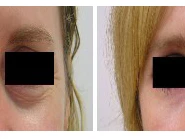

Eyelid surgery, medically known as blepharoplasty, is a popular cosmetic procedure designed to rejuvenate the appearance of the eyes by correcting droopy eyelids and removing excess skin, fat, and muscle. Despite its widespread popularity and effectiveness, there are several myths and misconceptions surrounding Best Eye lid surgery clinic in oman that can influence people's decisions and perceptions. Let's delve into these myths and separate fact from fiction.
Myth #1: Eyelid Surgery Is Only for Cosmetic Reasons
Fact: While eyelid surgery is often sought for cosmetic enhancement, it also serves functional purposes. Ptosis, a medical condition where the upper eyelid droops due to weakened muscles, can impair vision. Blepharoplasty can correct ptosis, improving both vision and aesthetics.
Myth #2: All Eyelid Surgeons Are the Same
Fact: Not all surgeons specialize in eyelid surgery. Ophthalmologists and plastic surgeons with specialized training in oculoplastic surgery are typically the most qualified for eyelid procedures. It's crucial to choose a surgeon with extensive experience and certification in eyelid surgery to ensure safety and optimal results.
Myth #3: Eyelid Surgery Results Look Unnatural
Fact: Modern techniques and advancements in eyelid surgery allow for natural-looking results. Skilled surgeons tailor the procedure to preserve the natural shape of the eyes while addressing specific concerns like sagging skin or fat deposits. Natural outcomes largely depend on the surgeon's expertise and understanding of facial anatomy.
Myth #4: Recovery from Eyelid Surgery Is Lengthy and Painful
Fact: Recovery times vary, but most patients experience minimal discomfort and short recovery periods. Swelling and bruising typically subside within a week or two, and pain is usually managed with prescribed medications. Following post-operative care instructions diligently can significantly speed up recovery.
Myth #5: Eyelid Surgery Is Risky and Unsafe
Fact: Like any surgical procedure, eyelid surgery carries some risks, but it is generally safe when performed by a qualified surgeon in a well-equipped facility. Complications such as infection or excessive bleeding are rare with proper pre-operative evaluation and post-operative care. Choosing a reputable clinic with stringent safety protocols minimizes risks.
Myth #6: Eyelid Surgery Is Only for Older Individuals
Fact: While eyelid surgery is commonly associated with aging concerns like drooping eyelids and puffiness, it is not exclusively for older adults. Younger individuals may seek eyelid surgery for genetic predispositions to excess eyelid skin or fat deposits. The suitability for surgery is determined based on individual aesthetic goals and medical considerations.
Myth #7: Eyelid Surgery Is Always Permanent
Fact: Eyelid surgery produces long-lasting results, but the aging process continues. Factors like genetics, lifestyle habits, and sun exposure can affect the longevity of results. While the effects of eyelid surgery are enduring, some patients may choose touch-up procedures in the future to maintain optimal outcomes.
Myth #8: All Eyelid Surgery Clinics Offer the Same Quality of Care
Fact: The quality of care and outcomes can vary significantly among eyelid surgery clinics. Factors such as accreditation, surgeon's expertise, facility standards, and patient testimonials play crucial roles in determining the clinic's reputation and reliability. Researching and visiting multiple clinics before making a decision can help ensure a positive experience.
Conclusion
Dispelling common myths about eyelid surgery clinics is essential for making informed decisions about cosmetic procedures. By understanding the facts and realities behind these misconceptions, individuals can approach eyelid surgery with confidence, knowing what to expect and how to choose the best clinic for their needs. Always consult with a qualified surgeon to discuss specific concerns, expectations, and treatment options tailored to achieve desired outcomes safely and effectively.











Sign in to leave a comment.