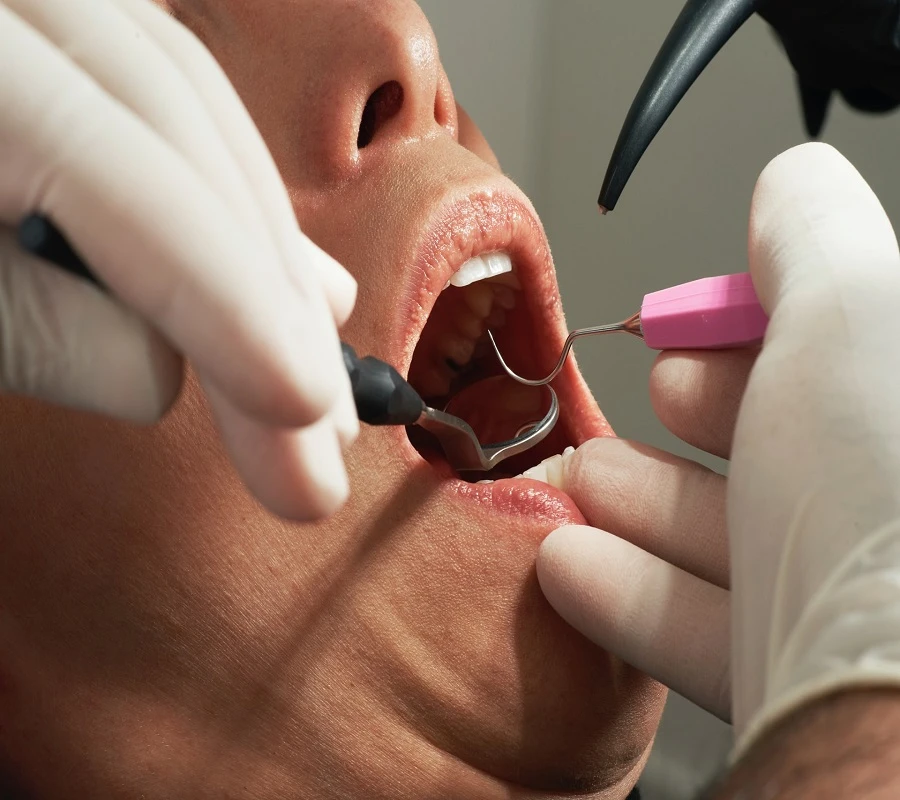

If we're sincere, most of us have probably heard our dentist advise us to floss more frequently. Only 30% of Americans say they floss every day because they find it to be so time-consuming and tedious. However, flossing is essential to preventing periodontal disease because brushing your teeth simply can't clean every part of them (approximately 40% of each tooth's surface can only be reached with floss). A common reason for tooth loss in America is periodontal disease, which is an infection of the gums brought on by bacteria. In more advanced stages of the disease, the bacterium penetrates below the gum line and starts attacking the tissues that support your teeth. Bacteria can also enter your blood circulation, which, if the infection is not treated, can result in a number of long-term health problems throughout your body.
There are many misunderstandings regarding periodontal disease, which can make it more difficult to discover what you can do to preserve or treat your gums, despite the significant impact it can have on your life. Several of the most widespread misunderstandings we've heard regarding periodontal disease are debunked here.
Myth 1: Sugar Causes Cavities
While sugar may be the cause of the development of cavities, the issue is not with sugar in and of itself. Instead, the bacteria consume the sugar. Starches, which are sticky food, draw germs, which then flourish on and around teeth. These microorganisms create an acidic substance that encourages tooth decay. To prevent plaque and acid buildup after meals, rinse and wash your teeth.
Myth 2: Bleeding Gums Are Normal
Inflamed gums are the cause of bleeding gums after brushing or flossing. Excessive plaque buildup, the onset of gingivitis, gum disease, or other factors can cause gums to swell and start bleeding. It isn't typical. Make an appointment with your dentist for their dental preventive care services.
Myth 3: Brushing Harder Cleans Better
Harder brushing is ineffective. The more forcefully you brush, the more damage the gum tissue and tooth enamel sustain. It might later cause other issues, including gum recession. Using a soft-bristled brush, gently scrub your teeth twice daily for two minutes.
Myth 4: Flossing Is Not Really Necessary
For maintaining good oral health, flossing is essential. Only 40% of Americans who do floss daily do so, and one in five Americans never do so. Flossing can get rid of up to 80% of plaque. Plaque deposits encourage tooth decay, but you can get rid of them by flossing every day.
Myth 5: Chewing Gum Works Like Brushing
Gum chewing is not a substitute for tooth brushing. Some chewing gums can help you have fresher breath and clean teeth, and some dentists even suggest switching to sugar-free types instead of sweets. While some chewing gums do help with oral health, they still can't completely take the place of brushing your teeth.
Myth 6: Tooth Loss Is A Natural Part Of Aging
Your teeth are designed to last you a lifetime provided you practice good oral hygiene and receive routine dental preventive care services. Plaque, a sticky film of germs that constantly forms on and in between your teeth, is what causes gum disease. A plaque will irritate the gums and cause redness and soreness if left untreated. If gum disease is not treated, it may also cause the gum to pull away from the tooth, leaving "pockets" around the tooth where more plaque can accumulate. These pockets widen with time, the gums continue to recede, and teeth may start to loosen.
Myth 7: Gum Disease Is A Minor Infection
The mass of tissue in the mouth is comparable to the area of skin that runs from the wrist to the elbow on your arm; if this area of skin were inflamed and diseased, you would go to the doctor. Gum infection is a serious condition! It may lead to tooth loss, which can dramatically alter your life, your appearance, your ability to chew food, and your breath.
Gum disease typically does not hurt as it progresses, making it difficult to recognize the harm it is inflicting. Your gums become irritated when the germs are active more frequently. Pus may seep from the gums, and this might result in abscesses. The bone that supports the teeth might deteriorate over time. Treatment may be more challenging if the condition is not treated right away for a long period of time.
Myth 8: It's Ok For Pregnant Women To Skip Dental Checkups
Regular dental checkups are strongly encouraged for women who are pregnant, planning to become pregnant or have recently become pregnant. According to a new study, moms whose babies were born early or underweight had considerably worse gum disease than those whose babies were born on time and at a healthy weight. The bacteria in the oral infection can hinder fetal growth by releasing toxins into the bloodstream that pass through the placenta and affect the development of the unborn child. This may cause the cervix to enlarge and contractions to begin by stimulating the female body to create inflammatory substances.
In between 60 and 70 percent of pregnant women, gingivitis occurs. Elevated levels of estrogen and progesterone hormones are the cause. Because pregnant women's gums respond differently to the germs in dental plaque, pregnancy gingivitis will worsen if left untreated.
Myth 9: Gum Disease Doesn't Affect Overall Health
Gum disease and other general health issues, including preterm births, diabetes, strokes, cardiovascular disease, and even dementia, have recently been connected. Having a healthy mouth and gums can assist enhance your general health, but more research is needed to fully understand how these connections function.
Myth 10: Gum Disease Is Only Caused By Poor Oral Hygiene
Gum disease can be brought on by poor oral hygiene. However, this is not the only cause. Gum disease can also be brought on by heredity, stress, a poor diet, tobacco use, and bruxism. Chronic teeth-grinding, or bruxism, exerts a lot of pressure on the gums and causes them to recede. When using an appliance, such as a mouth guard while sleeping, damage can be minimized.
Conclusion:
Even if there are many periodontal disease myths floating around, it is definitely worthwhile to do some study to get the facts. Your oral health will greatly benefit from knowing how to prevent gum disease and whatever cutting-edge procedures are available to you. You are welcome to contact us at any time to schedule a consultation if you have any questions regarding periodontal disease or are seeking the best dentist in Plano with the knowledge and cutting-edge equipment to help your gums recover from the condition.







Sign in to leave a comment.