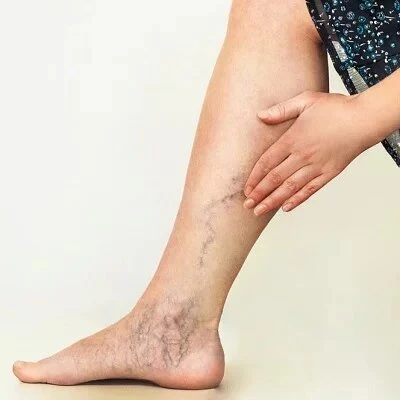

Sclerotherapy is a widely used and effective treatment for varicose and spider veins, but like many medical procedures, it is surrounded by myths and misconceptions. These misconceptions can deter individuals from seeking the treatment they need or cause unnecessary anxiety. In this article, we'll debunk some common myths about sclerotherapy in Abu Dhabi to provide accurate information and help individuals make informed decisions about their vein health.
Myth 1: Sclerotherapy is Painful
One of the prevailing myths about sclerotherapy is that it is a painful procedure. In reality, most patients report minimal discomfort during the treatment. Sclerotherapy is a minimally invasive procedure where a solution is injected into the affected veins, causing them to collapse and eventually fade away. While some individuals may experience a mild burning or stinging sensation at the injection site, the discomfort is generally well-tolerated and short-lived.
Myth 2: Sclerotherapy is Only for Cosmetic Purposes
While sclerotherapy is commonly associated with improving the appearance of varicose and spider veins, it is not solely a cosmetic procedure. In fact, sclerotherapy is often recommended for medical reasons, such as alleviating symptoms associated with venous insufficiency. Symptoms may include pain, swelling, and aching in the legs. By addressing these symptoms, sclerotherapy contributes to both cosmetic enhancement and functional improvement.
Myth 3: Sclerotherapy is a Risky Procedure
Some individuals may be hesitant to undergo sclerotherapy due to misconceptions about its safety. In reality, sclerotherapy is a well-established and safe procedure with a low risk of complications when performed by a qualified healthcare professional. Serious side effects are rare, and the benefits of treating venous issues often outweigh the potential risks. It's crucial for individuals considering sclerotherapy to consult with a qualified healthcare provider to discuss their specific situation and address any concerns.
Myth 4: Sclerotherapy Results Are Instantaneous
While sclerotherapy is an effective treatment, it's important to understand that results are not instantaneous. The injected solution causes the targeted veins to collapse, but it takes time for the body to absorb and eliminate the treated veins. Patients may notice an improvement in the appearance of their veins within a few weeks to a few months, depending on the size and location of the treated veins. Patience is key, and individuals should have realistic expectations about the timeline for achieving optimal results.
Myth 5: Sclerotherapy Causes Blood Clots
There is a misconception that sclerotherapy increases the risk of blood clots. In reality, the solution used in sclerotherapy is specifically formulated to irritate and close the treated veins without causing harm to surrounding tissues or blood clot formation. Moreover, the procedure is performed under sterile conditions to minimize the risk of infection or other complications. It's important to note that individuals with a history of blood clotting disorders should discuss their medical history with their healthcare provider before undergoing sclerotherapy.
Myth 6: Sclerotherapy Is Only for Older Individuals
Varicose and spider veins are often associated with aging, leading to the misconception that sclerotherapy is only suitable for older individuals. However, vein issues can affect people of various ages, and sclerotherapy can be performed on adults of all ages. In some cases, younger individuals may choose sclerotherapy for cosmetic reasons or to address discomfort associated with vein issues. The suitability of the procedure is determined on a case-by-case basis, taking into account the individual's overall health and specific vein concerns.
Myth 7: Sclerotherapy Causes Scarring
Concerns about scarring are another common myth associated with sclerotherapy. In reality, scarring is rare, and when it does occur, it is typically minimal. The needles used for sclerotherapy are very fine, and the injections are superficial, minimizing the risk of significant scarring. Most patients experience little to no scarring, and any minor marks that may appear tend to fade over time.
Myth 8: Sclerotherapy Is an Experimental Treatment
Some individuals may be under the impression that sclerotherapy is an experimental or newfangled treatment. However, sclerotherapy has been used for decades and has a well-established track record of safety and effectiveness. It is a standard and widely accepted procedure for treating varicose and spider veins, with numerous studies supporting its efficacy.
Myth 9: Sclerotherapy Is a One-Time Fix
While sclerotherapy can significantly improve the appearance of veins, it does not guarantee that new veins won't develop in the future. The procedure addresses existing veins but does not prevent the formation of new ones. Factors such as genetics, lifestyle, and hormonal changes can contribute to the development of new veins over time. Patients may need additional sessions of sclerotherapy to address new vein issues or maintain optimal results.
Myth 10: Sclerotherapy Is Only for Women
There is a common misconception that sclerotherapy is a treatment exclusively for women. In reality, both men and women can experience varicose and spider veins, and sclerotherapy is a viable treatment option for individuals of any gender. Men may seek sclerotherapy to address both cosmetic and medical concerns related to vein issues.
In conclusion, sclerotherapy is a safe and effective treatment for varicose and spider veins, but it's essential to separate fact from fiction. By debunking these common myths, individuals can make informed decisions about their vein health and feel more confident in exploring sclerotherapy as a viable solution. As with any medical procedure, individuals should consult with a qualified healthcare professional to discuss their specific situation, address concerns, and determine the most appropriate course of action for their unique needs.









Sign in to leave a comment.