
Plumbing maintenance is a significant factor in ensuring a properly functioning water system in a home. Professionals recommend regular inspection and assessment of the plumbing system to avoid expensive repairs.
Here’s a brief overview of having regular plumbing maintenance
Problem preventionSave you some bucksPreserving property valueSafety AssuranceConservation of waterAvoid DisruptionsIf you’re busy working or caring for your children, you wouldn’t wish to add another problem at your house. Here is further information on why plumbing maintenance is essential to maintain a peaceful home without disruptions.
1. Leaky Faucets: Causes, Impact, and Solutions
A leaky faucet is a typical concern to experience in every household. Other owners consider them as usual, but it isn’t. Common reasons for leaky faucets are:
Damaged PartsWorn Out FaucetCorrosionHigh Water PressureImproper InstallationLoose or Faulty PartsLow-Quality FixturesSometimes, cheaper is more expensive. You might think that you got a great deal buying cheap fixtures for your home, knowing the quality could be better. Furthermore, leaky faucets can lead to some severe damages, such as:
Lack of Water ConservationIncreased Utility BillsDamage to Fixtures and SurfacesStructural DamageGrowing of MoldsIncreased Plumbing ProblemsLastly, if you have a persisting leaky faucet concern, here are some tips on how to fix them.
a. Compression Faucet
Turn off the water supplyRemove the decorative cap and remove the screwsUnscrew the packing nutRemove the worn-out washerReassemble the faucet in reverse method and turn on the water supply againb. Ball-Type Faucet
Turn off the water supplyLocate the set screws and remove the handleRemove the cap and collarRemove the faucet cam, ball, and rubber seals and springs.Replace damaged O-rings, seals, and springs with new ones Reassemble the faucet in reverse method and turn on the water supply againc. Cartridge Faucet
Turn off the water supplyRemove the handle after unscrewing the set screwsRemove the retaining nut Use a cartridge puller to extract the old cartridgePlease insert the new one and align it correctlyReassemble the faucet in reverse method and turn on the water supply again2. Clogged Drains: Causes, Prevention, and DIY Solutions
Several drains are found in your home, and the common cause of clogged drains is blockage. For example, some
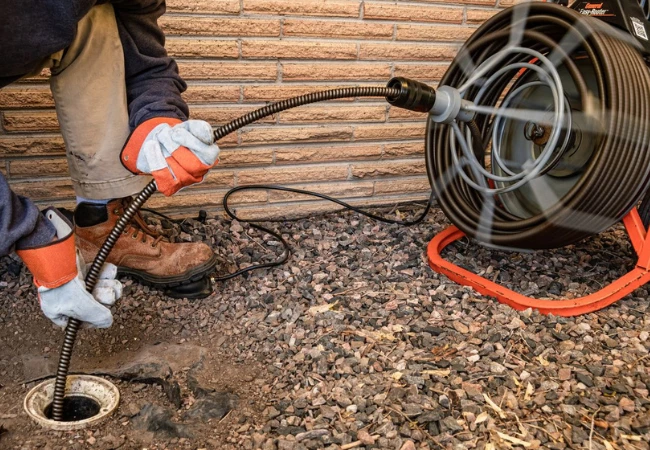
HairsSoapsFood WasteFood ResiduesDirt and DebrisForeign ObjectsIf you don’t want a flood in your home, it is essential to have regular cleaning and drain maintenance. Lastly, if you experience any clogging emergency, here are some DIY techniques and natural remedies that you can try
The number 1 tool, PlungerWet/Dry VacuumHot WaterBaking Soda and VinegarTo prevent drain clogging, you can buy filters to separate residues and build-up from entering your drainage.
3. Running Toilets: Identifying the Problem and Resolving It
Having a running toilet is one of the most embarrassing things in someone’s life. But why does this occur? The first issue is a faulty flapper valve. It’s a rubber that seals the tank. When it’s not sealed correctly, the water keeps running without control.
Another common issue is worn-out parts. Your toilets might be in your home for years. It may be the time to replace them. Here are some troubleshooting techniques to fix a running toilet.
Check the FlapperInspect Fill ValveAdjust FloatClean ComponentsReplace Worn-out Parts4. Low Water Pressure: Causes and Troubleshooting Tips
Low water pressure is indeed annoying. Imagine you’re in a rush in the morning getting ready for work, and the water isn’t in your favor. There are various reasons why low water pressures occur, such as:
Pipe Corrosion or BlockagesWater LeaksPressure Regulator ProblemsClogged Plumbing FixturesMunicipal Supply IssuesFurthermore, you should know when to call an emergency plumber in San Francisco. Signs like:
Persistent Low Water PressuresWidespread Low Water Pressure ConcernComplicated Plumbing ProblemSafety ConcernsWhen one of these signs occurs in your home, do not hesitate to call a professional plumber for help.
5. Frozen Pipes: Preventive Measures and Thawing Techniques
For residential and commercial buildings, frozen pipes pose several safety risks, such as:
Bursting PipesWater DamageWater Supply LossFinancial LossHealth and Safety RisksDamage to PropertyDuring the winter, it’s normal for some areas to freeze. To prevent your pipes from freezing, here’s what you can do
Insulate exposed pipesAllows fixtures to drip slowly to relieve pressureKeep a consistent room temperatureConsult a professional for complex problems and instructions6. Schedule Your Plumbing Maintenance Today
Plumbing maintenance can become troublesome when left unattended. Some serious concerns can occur. Regular maintenance can prevent those severe concerns in your home. If you don’t have the time for an inspection, if an emergency occurs, or if you might need some repairs, you can always seek professional help.

Sign in to leave a comment.