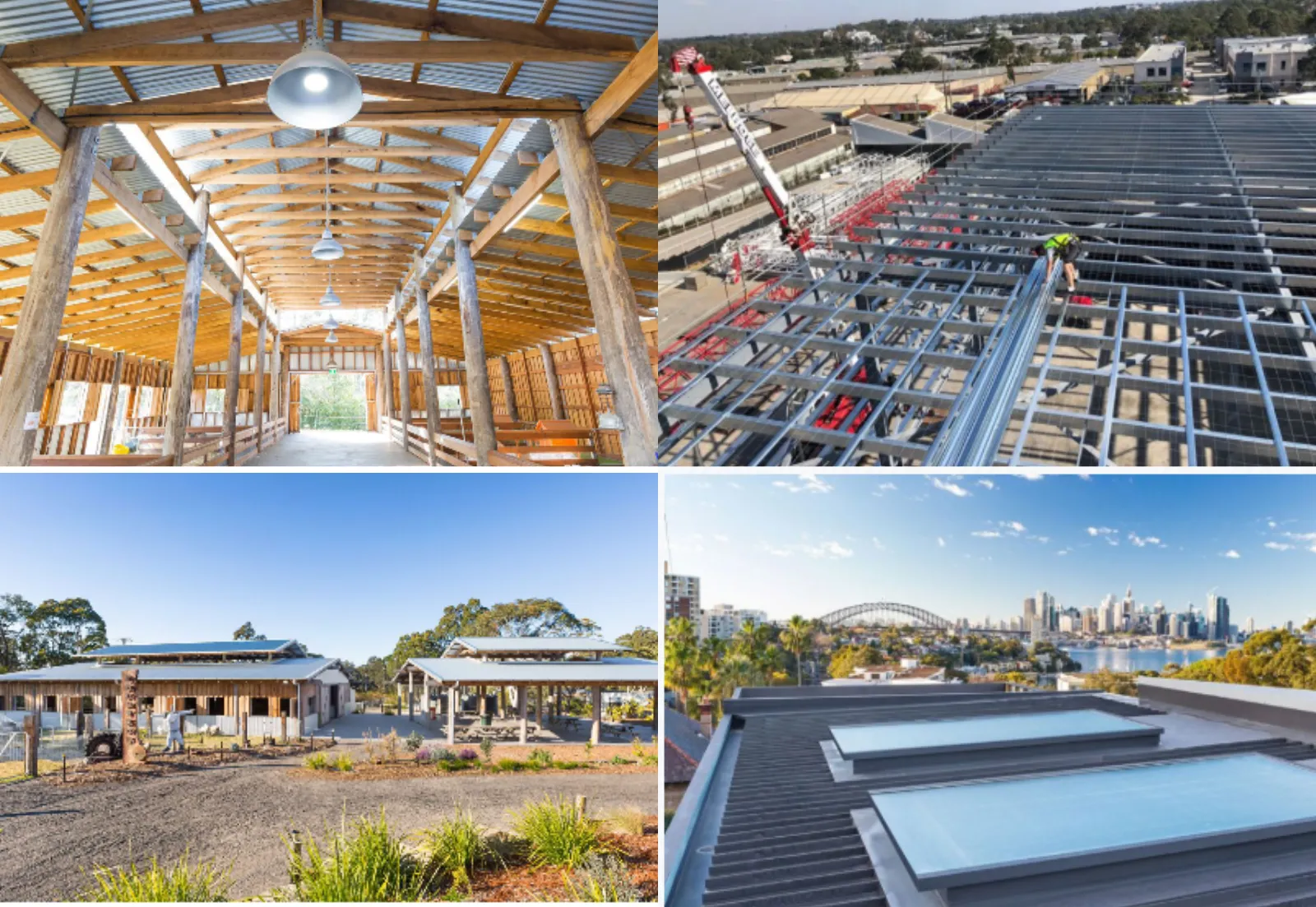

Australian weather conditions can even wear down the most robust roofing material, making it patchy, discoloured, etc. The salt in the air around coastal areas, along with ultraviolet rays, hardens everything. Then the rain hits sideways, and it is nearly impossible for even the most robust metal roofing systems to withstand these conditions.
WHERE METAL ROOFING STARTS TO SLIP?
There are no dramatic incidents in the beginning, and this remains the biggest trap for homeowners. A screw will ease out by a few millimetres. The sealant will dry and crack. Water doesn't pour in – it sneaks and moves sideways to sit, where it should never. These common problems occur during metal roofing installations.
LOOSE FASTENERS
- Heat expands the sheets and then contracts over and over. Eventually, the screws shift.
CLOGGED VALLEYS AND GUTTERS
- Gum leaves build up quickly. Water backs up under the laps.
EARLY CORROSION
- You'll notice it first near overlaps or scratches. Coastal homes cop it the worst.
FLASHING DRIFT
- Subtle movement along the joints.
- Hard to spot unless you're looking closely.
NOISE ISSUES
- Usually, it's insulation-related.
- Not the metal itself, despite what people think.
The problem is that even after noticing some of them at the microscopic level, people continue to ignore them and wait. When they notice a major stain on the ceiling, they start thinking about acting, but by then the fix isn't small anymore.
WHAT MAINTENANCE ROUTINE WORKS IMPRESSIVELY FOR METAL ROOFING INSTALLATIONS?
Metal roofing professionals recommend consistency in terms of metal roofing maintenance. This way, there will be no complicated schedules to follow.
TWICE A YEAR — BEFORE SUMMER STORMS AND AFTER WINTER:
- Check for loose or missing screws
- Clear gutters and valleys
- Scan for surface rust or chipped coating
- Inspect flashings around penetrations
- Rinse the roof to remove salt and debris
The last one matters more than people think, especially near the ocean.
EVERY COUPLE OF YEARS:
- Reseal joints that cope movement
- Swap out ageing fasteners
- Get a proper inspection if the roof's older
On a bad day, even a small rust mark near the valley will end up forcing you to go for full sheet replacement.
FIXES THAT LAST AND THOSE THAT DON'T
Some repair work on metal roofing installations holds, and others look fine for just a few months.
REPLACING FASTENERS THE RIGHT WAY
Just tightening up the old screws and calling it done is not an effective strategy because they will loosen again. It's better to pull them out and replace them with larger, weather-rated screws and fresh washers. Roofing professionals check the spacing as well, but it's often overlooked in DIY repair work.
TREATING RUST BEFORE IT SPREADS
Early-stage corrosion isn't the end of the world.
- Wire brush the area
- Apply a rust converter
- Seal it with a compatible coating
CHASING THE LEAKAGES
Water travels, and this means that the stains that you see on the ceiling are not just there. It might have started metres away or travelled metres from the starting point. This leads to bigger issues – patchy jobs. Smearing a sealant over the spot will not work for a long time. It's always important to trace the entry point that can be in the flashing or fastener, etc.
MISTAKES THAT KEEP SHOWING UP
The same patterns in mistakes are seen in different houses.
BLASTING THE ROOF WITH HIGH PRESSURE
- Strips coatings. Speed up wear. Seen it wreck fairly new roofs.
MIXING METALS
- Not all metals play nice together. Some combinations trigger corrosion faster.
SKIPPING INSPECTIONS
- You can't see everything from the ground. Simple as that.
UNDERESTIMATING COASTAL EXPOSURE
- Salt sits there. Eats away slowly unless it's washed off.
FAQs
HOW OFTEN SHOULD I CHECK A METAL ROOF?
- Twice a year is enough for most homes.
- More often near the coast.
CAN I FIX RUST MYSELF?
- Yes — if it's early.
- Clean it, treat it, seal it.
WHY DOES THE ROOF MAKE NOISE?
- Usually, it's insulation or loose components, not the metal sheets.
DO COASTAL HOMES NEED MORE UPKEEP?
- They do.
- Salt speeds up corrosion. Rinse regularly.
WHEN SHOULD I CALL A PROFESSIONAL?
- If leaks linger, rust spreads, or something looks off structurally.
FINAL THOUGHTS
Metal roofing doesn't abruptly fail. It degrades slowly in small, familiar ways. Miss those early warnings, and the repairs stack up.
If it's been a while since someone checked your roof, don't ignore it. A quick look today can save a much bigger headache later.






















Sign in to leave a comment.