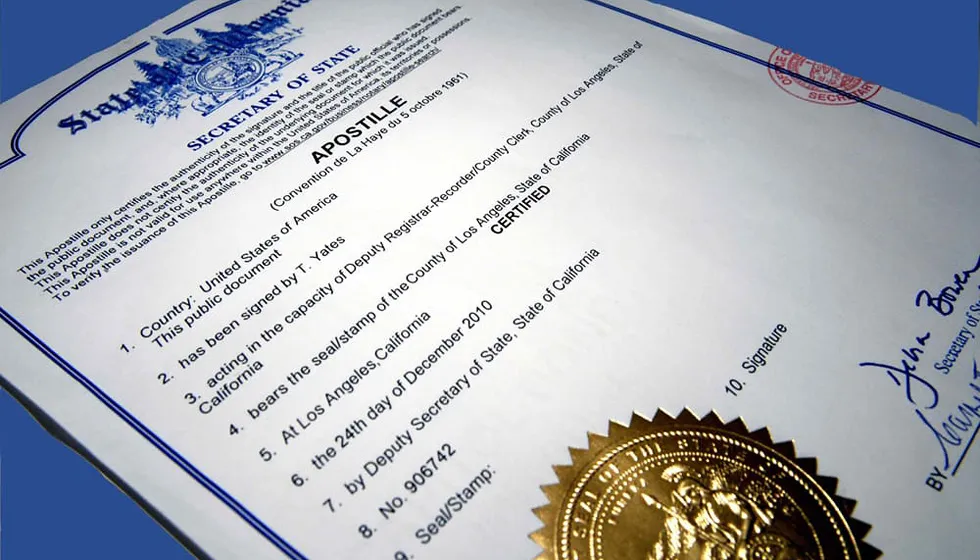

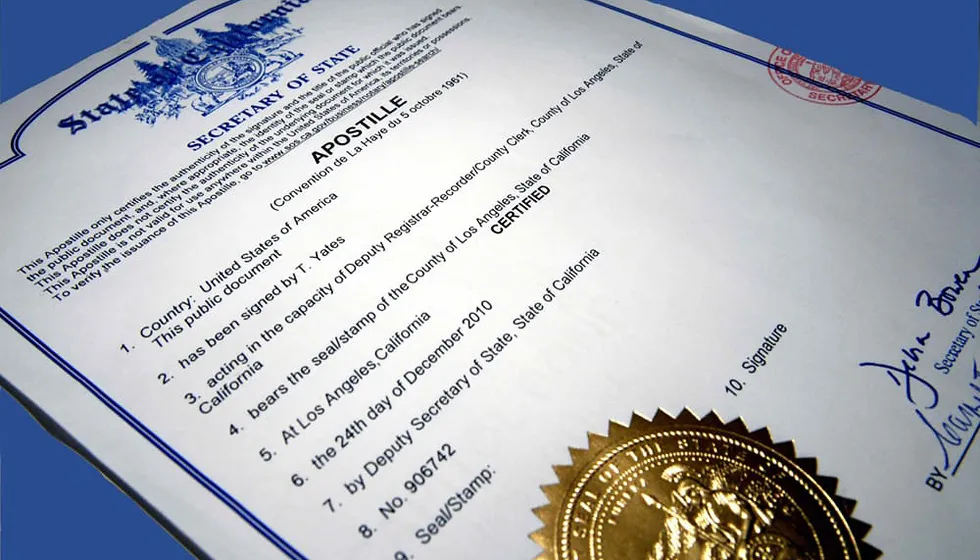
Getting an apostille is an essential step when you need your UK documents to be legally recognised in another country. Whether you're planning to study abroad, get married overseas, relocate for work, or conduct international business, an apostille confirms the authenticity of your documents for use in countries that are part of the Hague Apostille Convention.
Unfortunately, many applications are delayed or rejected because of avoidable mistakes. Even a small error can result in additional costs, missed deadlines, and unnecessary frustration.
In this guide, we'll explain the most common reasons documents get rejected for an apostille and how you can avoid these issues before submitting your paperwork.
1. The Document Has Not Been Properly Notarised
One of the most common reasons for rejection is submitting a document that requires notarisation but has not been certified by a qualified notary public.
Certain documents, such as powers of attorney, declarations, certified copies, and business documents, must first be notarised before they can receive an apostille.
If you're unsure whether your paperwork requires notarisation, consulting a Notary Canary Wharf professional before submission can help prevent delays and ensure your documents meet the necessary legal requirements.
2. Incorrect or Incomplete Information
Even minor mistakes can cause significant delays.
Common issues include:
- Misspelled names
- Incorrect dates
- Missing signatures
- Incomplete forms
- Wrong document versions
Always review every document carefully before submitting it for notarisation or apostille processing. Ensuring consistency across all paperwork is especially important when documents will be used by overseas authorities.
3. Unsigned Documents
Many documents require signatures before they can be notarised.
Some individuals mistakenly sign documents before meeting the notary, while others forget to sign them altogether. Depending on the document type, the notary may need to witness the signature in person.
Following the correct signing procedure helps avoid unnecessary rejections later in the apostille process.
4. Using Photocopies Instead of Certified Copies
Not every photocopy is accepted for apostille purposes.
If certified copies are required, they must be certified correctly by an authorised professional. Uncertified photocopies are frequently rejected because there is no confirmation that they accurately represent the original document.
When in doubt, seek advice before submitting copied documents.
5. Documents Are Damaged or Altered
Official documents should always remain in their original condition.
Authorities may reject documents that contain:
- Erased information
- Handwritten alterations
- Torn pages
- Water damage
- Illegible text
If your document has been altered or damaged, obtaining a new original copy is often the safest option before starting the apostille process.
6. Incorrect Power of Attorney Documentation
A Power of Attorney is one of the most frequently notarised documents for international use.
However, these documents are often rejected because:
- The wrong version was used.
- Required signatures are missing.
- Witness requirements were not followed.
- Identity verification was incomplete.
Working with a Power of Attorney Notary Canary Wharf specialist helps ensure your document complies with legal requirements before it is submitted for apostille certification.
7. Outdated Documents
Some overseas authorities require recently issued documents.
For example, birth certificates, marriage certificates, company documents, and criminal record certificates may need to have been issued within a specific timeframe.
Submitting older versions can result in rejection even if the document itself is genuine.
Before applying, confirm whether the receiving country has any validity requirements.
8. Business Documents Are Missing Required Certifications
Companies frequently require apostilles for documents such as:
- Certificates of Incorporation
- Articles of Association
- Board Resolutions
- Commercial Contracts
- Company Registers
Many of these documents require additional certification before an apostille can be issued.
Preparing corporate paperwork correctly helps avoid delays, particularly when dealing with international clients or overseas regulatory authorities.
9. Identity Verification Issues
Notaries must verify the identity of every person signing legal documents.
Applications may be delayed if applicants fail to provide acceptable identification or proof of address.
Typically, you'll need:
- A valid passport or driving licence
- Proof of residential address
- Original documents
Having these ready before your appointment makes the process much smoother.
10. Leaving Everything Until the Last Minute
Many people only realise they need an apostille shortly before an important deadline.
If corrections become necessary, valuable time can be lost.
Whether you're dealing with immigration, international employment, property transactions, or university admissions, early preparation gives you time to resolve any unexpected issues without unnecessary stress.
For urgent situations, many clients choose a Same-Day Notary Canary Wharf service to complete notarisation quickly before proceeding with the apostille application.
Tips to Avoid Apostille Rejection
The good news is that most apostille rejections are entirely preventable.
Before submitting your documents:
- Confirm whether notarisation is required.
- Check that every document is complete.
- Ensure all signatures are correctly witnessed.
- Verify names, dates, and personal details.
- Use original or properly certified documents.
- Avoid making handwritten changes.
- Confirm country-specific document requirements.
- Seek professional advice if you're uncertain.
Taking a little extra time at the beginning can save days or even weeks later.
Final Thoughts
Obtaining an apostille doesn't have to be complicated, but attention to detail is essential. Most rejected applications occur because of simple mistakes that could have been identified before submission.
Whether you're preparing personal, educational, legal, or business documents, working with experienced professionals can make the process faster and far less stressful.
If you need guidance with document notarisation or preparing paperwork for apostille certification, professional assistance can help ensure your documents are completed correctly the first time, reducing delays and giving you confidence that your paperwork is ready for international use.

























Sign in to leave a comment.