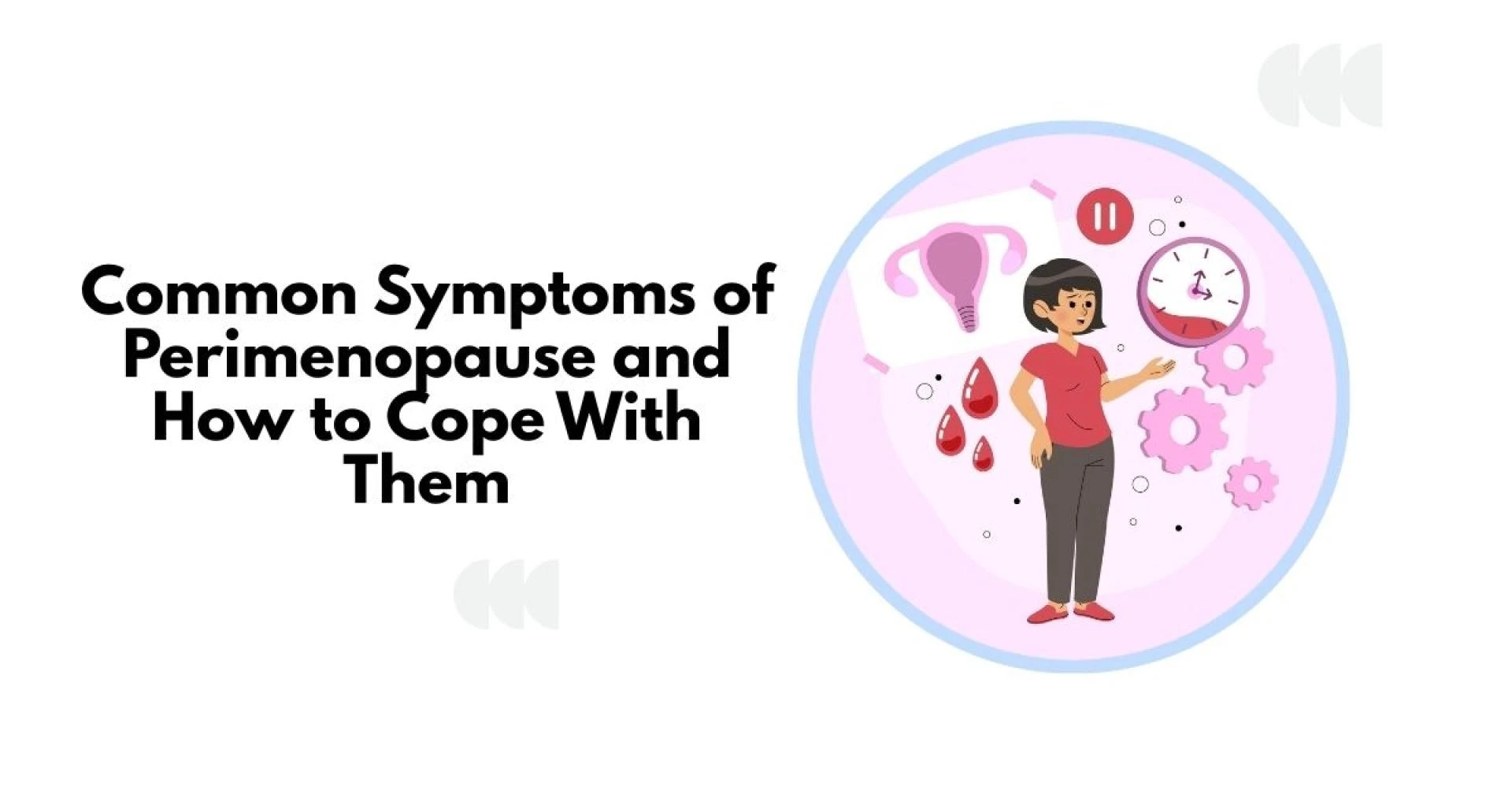
Perimenopause is a natural phase in a woman’s life that usually begins in the late 30s or 40s, marking the transition toward menopause. During this period, hormone levels fluctuate, leading to a variety of physical, emotional, and cognitive changes. Many women experience symptoms that affect their daily lives, making it essential to understand what to expect and how to manage these changes effectively. Consulting with perimenopause therapists in Orlando can help women navigate this transitional stage with professional guidance, personalized strategies, and emotional support.
Understanding Perimenopause
Perimenopause is the period before menopause when the ovaries gradually produce less estrogen and progesterone. This hormonal shift can last several years and lead to noticeable changes in the body and mind. While some women experience mild symptoms, others may face significant challenges that affect work, relationships, and overall quality of life. Recognizing the signs early allows for better management and timely intervention through lifestyle adjustments, therapies, or medical support.
Common Physical Symptoms
- Irregular Periods: Menstrual cycles may become shorter, longer, heavier, or lighter. Skipped periods are common, and spotting between cycles can occur. Tracking cycles helps anticipate changes and plan accordingly.
- Hot Flashes and Night Sweats: Sudden feelings of heat, often accompanied by flushing and sweating, can disrupt sleep and daily activities. Night sweats may lead to fatigue and irritability.
- Sleep Disturbances: Hormonal fluctuations can affect sleep patterns, making it difficult to fall or stay asleep. Poor sleep can amplify fatigue, mood swings, and cognitive difficulties.
- Changes in Skin, Hair, and Weight: Estrogen reduction may cause thinning hair, dry skin, and weight gain, particularly around the abdomen. Skin elasticity may also decrease, and hair texture may change.
- Vaginal Dryness and Discomfort: Decreased estrogen can lead to vaginal dryness, itching, or discomfort during intimacy. This may affect sexual health and emotional well-being.
Common Emotional and Cognitive Symptoms
- Mood Swings and Irritability: Rapid hormonal changes can trigger anxiety, sadness, and irritability. Women may feel more emotional than usual or experience unpredictable mood shifts.
- Difficulty Concentrating and Memory Lapses: Cognitive changes, often referred to as “brain fog,” may affect focus, attention, and short-term memory. Multitasking may feel more challenging.
- Fatigue and Low Energy: Sleep disturbances, combined with hormonal fluctuations, can cause persistent tiredness. Daily tasks may feel more exhausting than before.
Coping Strategies for Perimenopause Symptoms
While perimenopause is a natural stage, its symptoms can be managed effectively through a combination of lifestyle changes, holistic approaches, and professional guidance.
1. Maintain a Balanced Diet
Eating nutrient-rich foods can help stabilize energy levels and support hormonal balance. Incorporate fruits, vegetables, whole grains, lean proteins, and healthy fats. Foods rich in calcium and vitamin D are essential for bone health, while magnesium and B vitamins can aid mood and sleep.
2. Exercise Regularly
Physical activity helps manage weight, boosts energy, and improves mood. Cardio exercises, strength training, yoga, and stretching promote cardiovascular health, flexibility, and stress reduction. Even short daily walks can make a significant difference.
3. Prioritize Sleep Hygiene
Create a bedtime routine to improve sleep quality. Limit screen time before bed, maintain a consistent sleep schedule, and keep the bedroom cool and dark. Techniques such as deep breathing or meditation can also promote relaxation.
4. Manage Stress
Stress exacerbates many perimenopause symptoms. Mindfulness meditation, breathing exercises, journaling, and yoga can reduce anxiety and improve emotional balance. Talking to a therapist or support group can provide emotional relief and practical coping strategies.
5. Explore Hormone or Alternative Therapies
Consulting a healthcare provider or perimenopause therapist can help determine whether hormone replacement therapy (HRT) or natural alternatives are suitable. Personalized treatment plans can address hot flashes, mood swings, and other disruptive symptoms.
6. Support Vaginal and Sexual Health
Lubricants, moisturizers, and specific pelvic floor exercises can relieve vaginal discomfort. Discussing these concerns with a perimenopause specialist ensures safe and effective solutions.
The Importance of Professional Guidance
While lifestyle adjustments can alleviate many symptoms, professional support ensures a comprehensive approach to managing perimenopause. Perimenopause therapists provide tailored strategies, emotional support, and guidance on medical or alternative treatments. They empower women to navigate this life stage confidently, addressing both physical and psychological challenges.
Conclusion
Perimenopause brings a range of physical, emotional, and cognitive changes that can affect daily life. Understanding the common symptoms and implementing coping strategies—such as diet, exercise, stress management, and professional guidance—can significantly improve well-being. For women seeking personalized support, consulting experienced perimenopause therapists can help manage symptoms effectively and maintain a balanced, healthy lifestyle.


























Sign in to leave a comment.