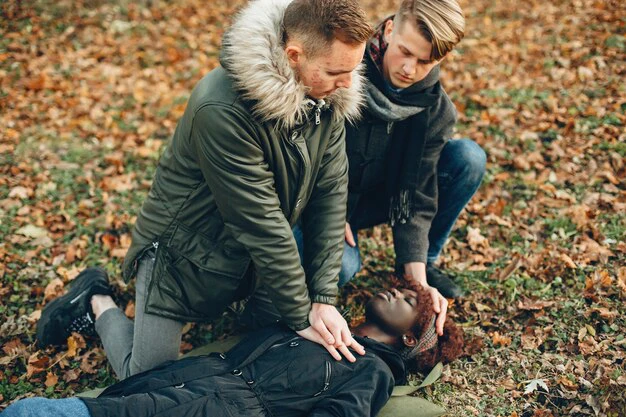

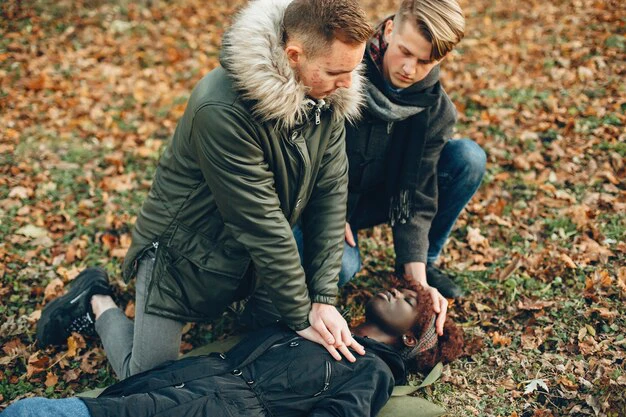
When a disaster strikes, whether it’s a natural catastrophe like an earthquake, a large-scale accident, or a sudden medical emergency, the immediate response can mean the difference between life and death. While professional emergency responders such as paramedics and firefighters are trained to handle such situations, they cannot always reach affected individuals in the critical first moments. That’s where community first responders play a pivotal role. Ordinary people, armed with essential skills like CPR, can act as the first line of defense in saving lives.
This blog will explore how CPR training equips community members to effectively respond during disaster situations, the importance of community engagement in emergency preparedness, and how accessible training can truly save lives.
The Role of Community First Responders
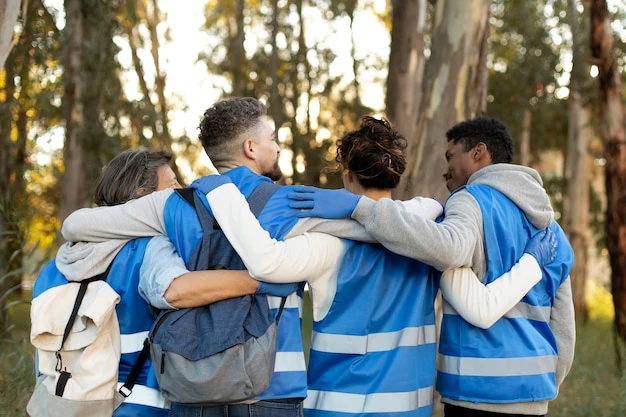
Community first responders are individuals who, in times of crisis, step up to provide immediate assistance to those in need. They may not be professional emergency personnel, but they possess basic life-saving skills that can have a significant impact in the critical moments before first responders arrive.
These first responders can come from all walks of life: teachers, construction workers, office employees, stay-at-home parents, and more. What makes them effective is their knowledge of essential life-saving skills like CPR and first aid. Community responders act quickly to stabilize individuals, perform life-saving procedures, and provide essential care, buying critical time for professional responders to reach the scene.
In disaster situations—whether it’s a building collapse, a mass casualty event, or a widespread medical emergency—the ability to act quickly and appropriately can be the difference between life and death. CPR, or cardiopulmonary resuscitation, is one of the most important skills that community first responders can use to save lives. In a situation where someone is experiencing cardiac arrest, performing CPR can double or even triple their chances of survival until help arrives.
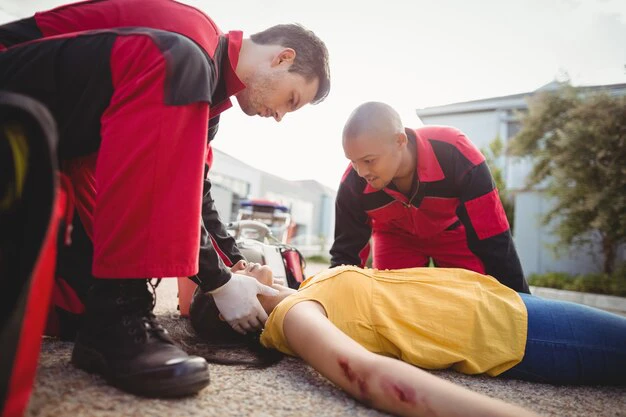
The role of these community first responders cannot be understated. They bridge the gap between the onset of an emergency and the arrival of trained professionals. Having community members trained in CPR ensures that help is provided as soon as possible, increasing the survival rate of victims and reducing long-term health impacts.
Why CPR Training Matters in Disaster Situations
When an emergency occurs, every second counts. For victims of cardiac arrest, for instance, the chances of survival drop by 10% for every minute that passes without CPR. In disaster situations where professional responders may be delayed, CPR training can be the deciding factor between life and death.
In a disaster, large numbers of people are often affected, and first responders may be overwhelmed by the scale of the situation. If several people collapse due to cardiac arrest, the presence of multiple community-trained individuals who know how to perform CPR can significantly reduce the risk of fatalities.
A well-trained community can also respond to other emergency medical situations such as choking, severe bleeding, or severe allergic reactions, all of which can occur frequently in disasters. People who are trained in BLS CPR certification online courses or have completed ACLS certification (Advanced Cardiovascular Life Support) can provide vital care to victims, stabilize them, and help manage the situation until emergency medical services (EMS) arrive.
The Power of Accessible Training: Ensuring Every Community Member is Prepared
While the need for trained first responders in emergencies is clear, ensuring that these skills are accessible to all members of the community is equally important. Community-based CPR training programs that are affordable, accessible, and inclusive can help ensure that as many people as possible are equipped with life-saving skills.
By providing training in local communities, whether through local government programs, workplaces, schools, or online courses, we can ensure that individuals across the board are prepared for emergencies. BLS certification online programs, for example, allow people to complete their certification at their own pace, making it easier for working individuals or parents to fit training into their busy schedules. Many organizations also offer pediatric life support certification programs for caregivers, ensuring that parents and childcare providers are equipped to handle emergencies involving children.
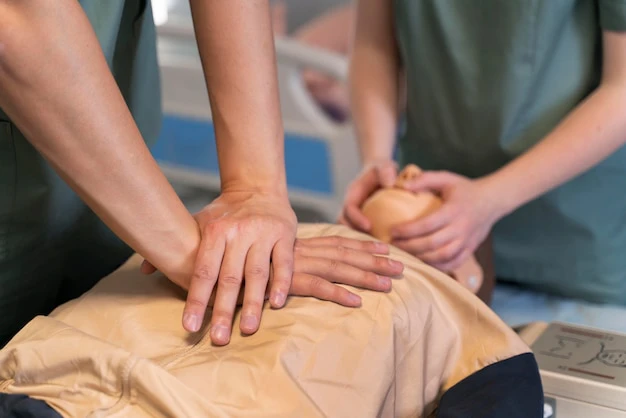
Access to affordable training programs ensures that CPR and emergency response skills are not limited to healthcare workers, but are available to the general public. Community members with basic CPR training are much more likely to act in an emergency. Studies have shown that when bystanders perform CPR during a cardiac arrest emergency, the chances of survival increase by more than two times, particularly if the intervention is immediate.
Building a Culture of Preparedness
Creating a culture of preparedness starts with engagement and education. Communities need to understand that they have a role in emergency response and that every individual, regardless of profession, can be trained to save lives. Studies have shown that when people are actively engaged in their community's preparedness efforts, they are more likely to take personal responsibility for learning first aid, CPR, and other emergency skills.
Incorporating disaster preparedness into the fabric of daily life, through CPR training and first-aid awareness, strengthens the collective resilience of a community. Families, schools, and workplaces that offer training in CPR, first aid, and PALS certification (Pediatric Advanced Life Support) can all be the difference between life and death during a disaster situation.
The Role of Community As a Whole
Community first responders, armed with CPR training, are integral to disaster preparedness. When disaster strikes, the immediate response is often the most critical. Trained community members are ready to step in, provide life-saving interventions, and help victims survive until professional emergency responders arrive. Ensuring that CPR training and other emergency skills are accessible to everyone in the community, through initiatives like CPR classes, BLS CPR certification online, and ACLS certification online, is crucial to building resilient communities. By prioritizing community engagement in emergency preparedness, we can save lives, minimize damage, and create safer environments for everyone.
For those looking to equip themselves with the life-saving skills needed in emergencies, CPR, ACLS & PALS Training Institute LLC. Offers comprehensive CPR classes and BLS CPR certification online courses. Be prepared to save lives – because in an emergency, every second counts. Schedule now.


























Sign in to leave a comment.