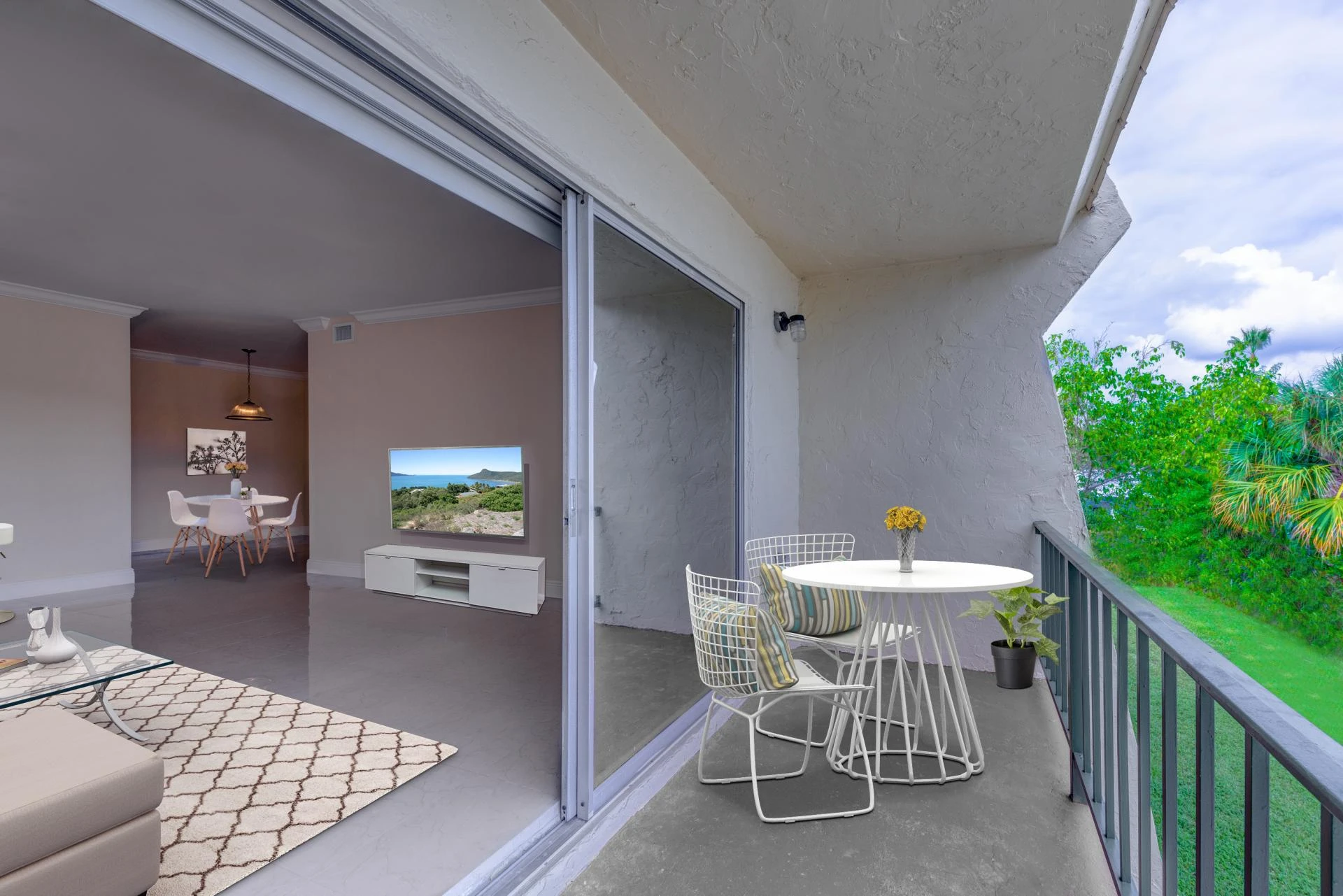

Miami offers more than sunshine and ocean views. It’s a city shaped by lifestyle, culture, and the way people choose to live. One housing option that continues to attract attention is community living. From gated properties to amenity-rich apartment complexes, this style of housing is becoming a popular choice for many renters.
Across rental communities in Miami residents often find a mix of convenience, social connection, and shared amenities. But like any housing decision, community living comes with both advantages and trade-offs. What works perfectly for one renter may feel restrictive to another. Understanding the full picture helps you make a smart decision.
What Community Living Really Means
Community living can look different depending on the property, but the core idea is simple: residents share common spaces, amenities, and certain lifestyle features.
Shared Spaces and Amenities
Most communities offer features designed to improve daily life. These often include:
- Fitness centers
- Pools
- Clubhouses
- Co-working areas
- Dog parks
- Outdoor lounges
- Secure parking
Instead of paying separately for a gym membership or workspace, residents access these perks within their property. For many renters, this convenience plays a major role in choosing a community-style home.
A Built-In Neighborhood Feel
Unlike standalone buildings or private rentals, communities often create a stronger sense of belonging. Residents regularly see the same faces in common areas, events, and shared facilities. Over time, this can build familiarity and comfort.
For newcomers to Miami, this environment can make the transition into the city feel easier.
The Benefits That Attract So Many Renters
Community living appeals to a wide range of people, from young professionals to families and retirees. Several practical advantages explain why.
Lifestyle Convenience
One of the strongest selling points is convenience. Many daily needs are located within steps of your front door.
Residents may enjoy:
- On-site fitness facilities
- Maintenance services
- Package lockers
- Shared workspaces
- Recreational areas
This setup reduces travel time and simplifies routines. Instead of driving across the city for basic activities, everything is close by.
For busy professionals, this can translate into better time management and less stress.
Access to Premium Amenities
Amenities that might feel expensive or unrealistic in other housing types become accessible through community living.
Examples include:
- Resort-style pools
- Rooftop lounges
- Outdoor kitchens
- Yoga rooms
- Game rooms
These features enhance lifestyle without requiring large personal investments. Renters enjoy upgraded living experiences that might otherwise be out of reach.
Enhanced Security Features
Many communities prioritize safety through:
- Controlled access systems
- Gated entry
- Surveillance cameras
- On-site staff
While no property guarantees complete protection, these layers often provide added peace of mind. For residents living alone or new to Miami, security can be a key deciding factor.
Maintenance Without the Headache
In community settings, maintenance is usually handled by professional teams.
This means:
- Faster repair requests
- No DIY fixes
- Less unexpected expenses
Leaky faucets, appliance issues, or electrical problems are addressed without requiring personal effort or contractor searches.
Stronger Social Opportunities
Community living naturally creates more chances for interaction.
Residents may connect through:
- Resident events
- Shared amenities
- Casual encounters
For people who value social connection, this environment can feel energizing. It becomes easier to meet neighbors, build friendships, and feel less isolated.
The Drawbacks That Renters Should Consider
Despite its appeal, community living is not perfect for everyone. Certain challenges deserve careful attention.
Less Privacy Than Standalone Living
Sharing walls, hallways, and common areas means reduced privacy.
Possible concerns include:
- Noise from neighbors
- Busy shared spaces
- Frequent activity around amenities
Even in well-managed communities, sound and movement are unavoidable realities. Renters who prioritize quiet and personal space may find this frustrating.
Rules and Restrictions
Communities often maintain guidelines to ensure order and consistency.
These may cover:
- Guest policies
- Pet rules
- Parking regulations
- Balcony usage
- Noise limits
While many rules are reasonable, some residents feel constrained by them. Flexibility can be lower compared to private rentals.
Amenity Crowding
Amenities are shared, not reserved.
During peak hours, you might encounter:
- Full gyms
- Busy pools
- Limited seating
What looks luxurious in photos can feel crowded in real life. Timing and usage patterns matter.
Costs That Reflect Lifestyle Perks
Amenities, services, and security features typically influence rental pricing.
Higher costs may result from:
- Premium facilities
- Maintenance services
- Property management expenses
For renters focused strictly on budget efficiency, paying for features they rarely use may not feel justified.
Limited Personalization
Community properties often restrict major modifications.
Residents may face limits on:
- Painting walls
- Structural changes
- Decorative installations
Those who enjoy customizing their space may feel limited.
How Miami’s Environment Changes the Equation
Miami’s unique characteristics shape how community living feels day-to-day.
Urban Energy and Density
Miami is lively, fast-moving, and densely populated in many areas. Community living often complements this energy.
Benefits include:
- Central locations
- Easy access to entertainment
- Walkable surroundings
For residents who enjoy city life, the environment feels aligned with their lifestyle.
Traffic and Commute Realities
Miami traffic can be challenging. Living in a community with built-in conveniences may reduce unnecessary trips.
Access to:
- On-site gyms
- Co-working spaces
- Social areas
can significantly cut down travel time.
Weather and Outdoor Living
Miami’s climate encourages outdoor use. Pools, lounges, and patios become valuable lifestyle extensions rather than occasional perks.
This makes community amenities feel more meaningful compared to cities with colder climates.
Who Typically Thrives in Community Living
Certain renter profiles often benefit more from this housing style.
Young Professionals
Busy schedules, social interests, and lifestyle convenience align well with community environments.
Advantages include:
- Networking opportunities
- Minimal maintenance
- Built-in recreation
Newcomers to Miami
Relocating can feel overwhelming. Community living may ease the adjustment.
Benefits include:
- Faster social integration
- Secure environments
- Simplified daily routines
Residents Seeking Convenience
Those who prioritize efficiency often appreciate:
- Maintenance services
- Amenity access
- Centralized facilities
Who Might Prefer Other Housing Options
Community living is not universally ideal.
Privacy-Focused Renters
Individuals who value solitude may struggle with:
- Shared walls
- Frequent activity
- Limited isolation
Highly Independent Residents
Those who dislike rules or restrictions may feel limited by property policies.
Budget-Minimizers
Renters uninterested in amenities may find better financial value in simpler housing options.
How to Decide If Community Living Fits You
The right choice depends on priorities, lifestyle, and personal preferences.
Evaluate Your Daily Habits
Ask practical questions:
- Do you use fitness facilities regularly?
- Do you enjoy shared spaces?
- How important is privacy?
Consider Long-Term Comfort
Short-term excitement about amenities can fade. Daily satisfaction matters more than initial impressions.
Visit Properties in Person
Photos rarely tell the full story. Walking the property reveals:
- Noise levels
- Amenity usage
- Overall atmosphere
Finding Balance Between Pros and Cons
No housing option offers perfection. Community living simply shifts the balance between convenience and compromise.
For many renters, the benefits outweigh the limitations. For others, privacy or flexibility carries greater weight. The key lies in honest self-assessment rather than marketing appeal.
Miami provides diverse housing opportunities, and community living is just one path among many. Understanding both sides allows renters to choose with clarity and confidence.
Ultimately, the best home is not defined by amenities or features alone. It’s defined by how well it supports your daily life, comfort, and long-term satisfaction.


























Sign in to leave a comment.