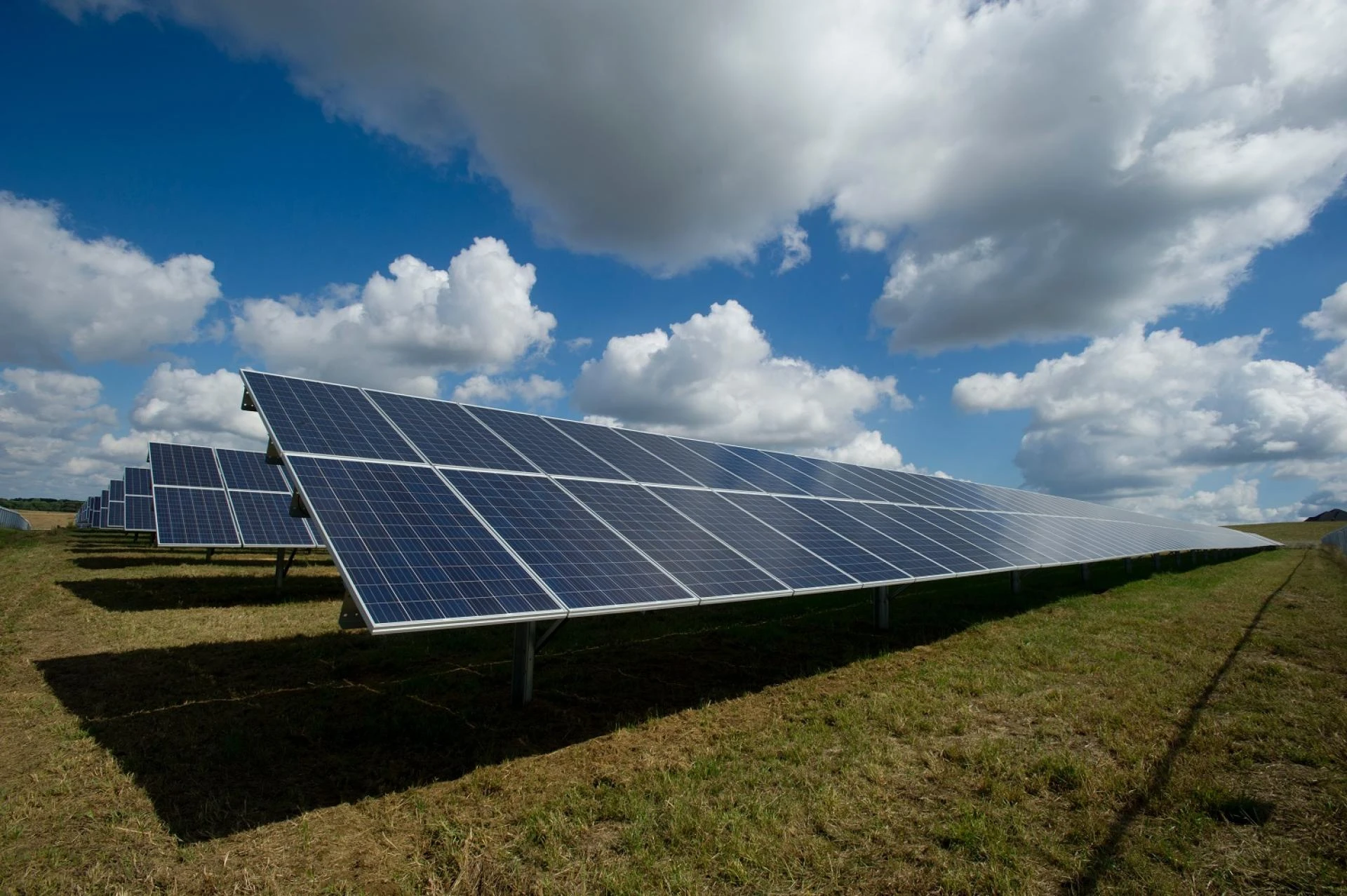

If you are reading this blog from Microtek, one of the Best Solar Panel Manufacturers In India, then it means you have made up your mind about installing a solar panel system for your home and/or business. So, we will not beat around the bushes and will come straight to the topic, which is comparing the two major solar energy systems.
Since the majority of the population lives on a relatively reliable grid, the direct grid-tie solar system is the simplest to install and will suit the needs of most people. Battery backup and gas or diesel generators can be added to the system in locations where commercial power is inconsistent or electricity is required for critical conditions. Another relatively simple option for off-grid use is to use a 24-volt DC for all electrical appliances and lights. This is typical for boats and trailer homes, but it will not support the majority of people. An inverter converts current to AC and stores power in DC batteries in the other sort of off-grid system.
Direct Grid-Tie Residential Solar Systems
Direct grid-tie residential solar systems, also known as grid-tied solar systems, are solar power installations that are connected directly to the electrical grid. These systems allow homeowners to generate solar electricity for their own use and, when excess power is produced, feed it back into the grid. Solar panels, an inverter, and a disconnect switch (to shut off power if the grid goes down) are all that are required for direct grid-tie systems. The inverter is connected to the disconnect and then to the main electrical panel directly. As a result, when the sun shines, the electric meter turns backward since the solar power system produces more electricity than the home consumes. Because older meters were not designed for reverse operation and do not read reliably, the electricity company frequently needs to replace the meter. Of course, since the electric provider will reimburse you for the electricity returned, you want an exact reading.
This system is maintenance-free once installed and will last for many years. A micro-inverter is wired directly to each panel in a promising new type of system. Because your wiring is for AC, you may utilize standard electrical wire components, which makes your system even simpler. This also has the advantage of each solar panel being wired separately, so if one is shaded or broken, the rest of the system will continue to function normally.
Battery-Based Systems
We complicate the design and add extra maintenance as soon as we add batteries to your system. We'll need a unique inverter that, in addition to converting to AC power, can also provide DC to charge the batteries and switch to battery power instantaneously if the grid goes down. Batteries will also add to your system's cost, as well as more maintenance if you choose less expensive wet cell batteries. You should wire your system such that the backup batteries do not provide power to the entire house, otherwise, your battery costs will skyrocket. Refrigerators, a few lights, computers, and other essential equipment should be wired.
An off-grid home requires the same equipment as the battery backup system described above. The only difference is that the inverter doesn't need circuitry to regulate grid electricity and instead sends all extra power to the battery charge controller. Depending on how much sun you get, you may wish to include a generator in your system so that batteries may be charged more quickly during the winter or during periods of bad weather.
Being the industry specialist and provider of the best solar panels in India, we understand that the above information is too technical and too much to absorb for further decision-making. Hence, here is a quick-to-read comparison of the two types -
GRID-BASED SOLAR SYSTEM-
Direct Grid Connection-Pros - Grid-tied systems are directly connected to the electrical grid, allowing users to draw power from the grid when solar production is insufficient.
Cons - During grid outages, these systems typically shut down for safety reasons, meaning you won't have power even if the sun is shining.
Net Metering -Pros - Many grid-tied systems offer net metering, allowing homeowners to receive credits for excess energy sent back to the grid.
Cons - Reliance on the grid; limited energy independence during grid outages.
Cost-Effectiveness -Pros - Often more cost-effective as there's no need for energy storage components like batteries.
Cons - Ongoing dependence on the grid; may not be suitable for areas with frequent power outages.
Environmental Impact -Pros - Reduces reliance on non-renewable energy sources, contributing to environmental sustainability.
Cons - Limited ability to operate independently of the grid.
BATTERY-BASED SOLAR SYSTEM -
Energy Storage -Pros - Battery-based systems store excess energy for later use, providing power during periods of low solar production or grid outages.
Cons - Additional cost for purchasing and maintaining batteries.
Energy Independence -Pros - Greater energy independence; can operate off-grid or during grid outages.
Cons - Initial setup costs for batteries; ongoing maintenance.
Load Shifting -Pros - Allows for load shifting, where excess solar energy generated during the day can be stored for use during peak evening hours.
Cons - Limited storage capacity may require careful management of energy usage.
Cost Considerations -Pros - Over time, a battery-based system can provide more control over energy costs and potential savings.
Cons - Higher upfront costs due to the need for battery storage.
Environmental Impact -Pros - Contributes to environmental sustainability by reducing reliance on the grid and supporting renewable energy use.
Cons - Manufacturing and disposing of batteries have environmental impacts.
Some Extra Information
1. What makes a grid tie inverter unique?
A grid tie inverter generates sinewave AC power that precisely matches the grid's voltage and frequency. Did you know that the voltage and frequency of the grid vary greatly from day to day? This means that your grid tie inverter must constantly monitor the real grid frequency and voltage before adjusting its output to meet the grid's faulty waveform.
This allows the inverter to feed electricity back into the system that is identical to what the utilities are delivering.
2. When a grid tie inverter shuts down, what triggers it to do so?
Most grid-tie inverters will shut down if the grid goes down, as well as if the grid's frequency or voltage becomes too high or too low, causing the inverter to operate outside of its working parameters.
If you reside near the end of a transmission line or near a factory that uses a lot of electricity but hasn't invested in good power factor correction equipment, this is a lot more likely to happen.
If this occurs, the inverter may depend on the type, either automatically restart when the power quality improves, or require a human restart if it is a truly cheap and terrible inverter.
A grid tie inverter can be installed anywhere in your home.
There will be an Ingress Protection (IP) rating on every grid-tied inverter you can buy.
This value indicates how well the inverter is sealed and where it may be installed:
IP21 – For use only indoors
IP42 – can be used outside, but it must be protected and contained.
IP65 – can be used outside in the open.
A cool garage is the best place for your inverter. Direct sunlight is the worst area to put a solar inverter because of the high temperatures.




Sign in to leave a comment.