

Selecting a handgun begins with understanding how the firearm will be used. Range practice, personal protection, and recreational shooting each place different demands on a platform, and no single configuration serves every purpose equally well. A structured comparison helps buyers match a firearm's characteristics to their specific needs.
A clear understanding of these differences supports a more confident and purposeful selection.
Defining the Intended Purpose
Every comparison should begin with a clear understanding of intended use. A handgun chosen for occasional range sessions often differs from one selected for daily carry or home storage.
Buyers should consider how frequently the firearm will be used, where it will be stored or carried, and what level of handling comfort is required. Establishing these priorities early allows later comparisons of size, weight, and configuration to remain focused and objective rather than being influenced by general impressions.
A clear purpose provides the framework for every subsequent decision.
Range Practice and Recreational Shooting
Range-focused shooters typically prioritize comfort, controllability, and consistent handling over extended sessions. Larger frames and longer barrels often support these goals by distributing weight and reducing felt recoil.
Among Ruger handguns, full-size configurations frequently appeal to shooters who value stability and a longer sight radius. These characteristics support steady aim and make extended practice more comfortable. Buyers focused on recreation should also consider how easily a platform can be cleaned and maintained, since regular use makes simple, accessible upkeep especially important.
Range use favors stability, comfort, and ease of maintenance.
Personal Protection Considerations
Personal protection introduces a different set of priorities, including reliability, accessibility, and manageable handling under stress. Buyers should evaluate how a firearm performs under rapid, consistent use.
A Ruger 9mm is often considered in this context because the cartridge offers manageable recoil and broad ammunition availability. Buyers should test how the grip fits the hand, how naturally the controls can be reached, and how predictably the trigger responds. Regular practice and thorough familiarity with the platform remain essential, since confidence in handling is as important as the design itself.
Protection-oriented selection emphasizes reliability and familiarity.
Concealed Carry and Size Constraints
Carrying a firearm daily places significant emphasis on size, weight, and profile. A handgun that performs well at the range may prove cumbersome when worn all day.
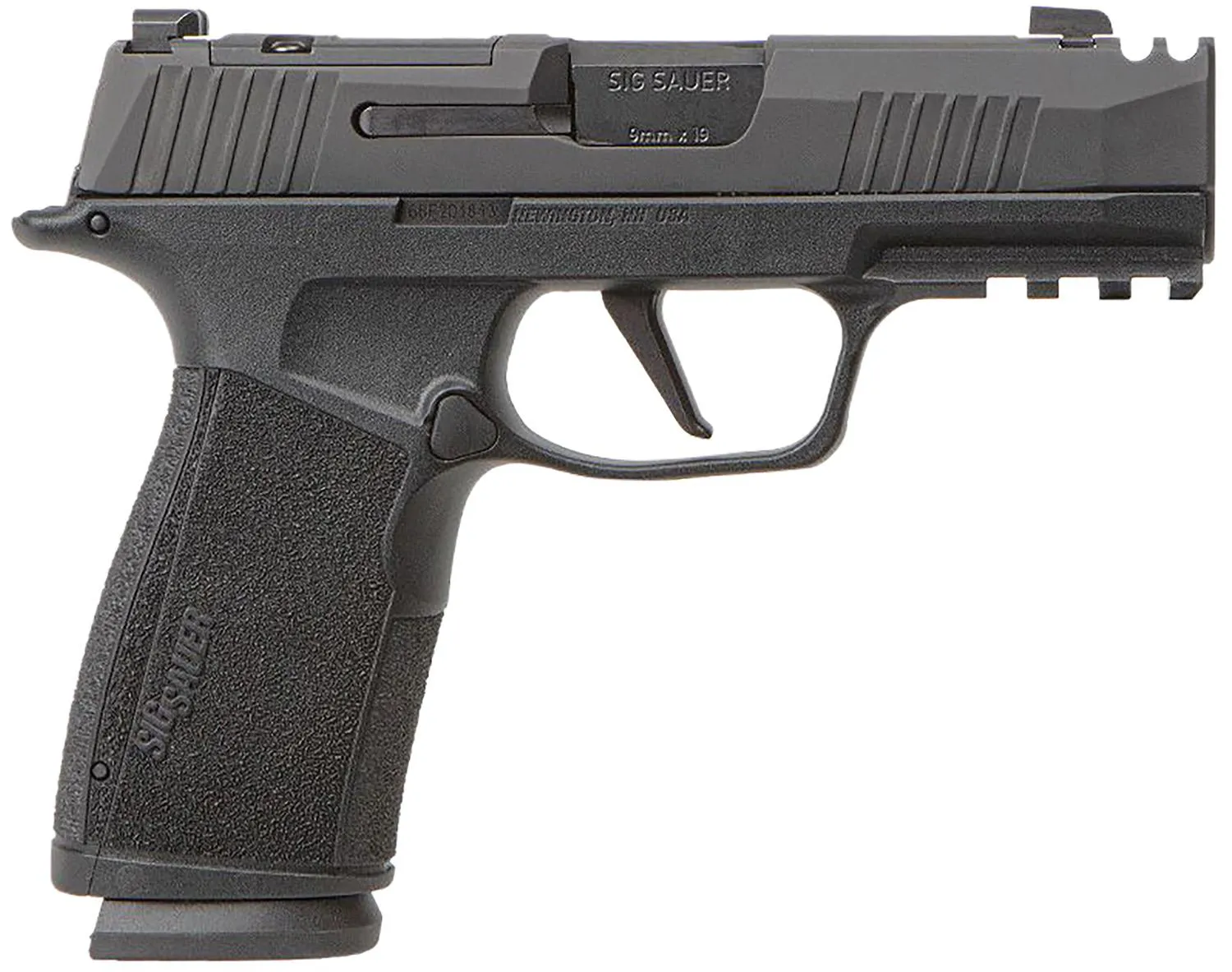
Compact and subcompact configurations typically reduce dimensions and weight, making them easier to conceal and carry comfortably. A compact Ruger pistol, for example, may prioritize a slimmer profile and shorter barrel, though these changes can affect recoil behavior and sight radius. Buyers should weigh these trade-offs carefully, since reduced size often involves adjustments in handling characteristics.
Carry use requires balancing concealment with practical control.
Barrel Length and Sight Radius
Barrel length influences accuracy potential, velocity, and overall handling. Longer barrels generally provide a greater sight radius, which can support more precise aiming at extended distances.
Shorter barrels reduce overall length and improve maneuverability, though they may require more careful attention to technique. Buyers should compare how different barrel lengths feel during live fire or dry handling, since individual preference plays a considerable role. Matching barrel length to the intended application helps avoid compromises that become apparent only after purchase.
Barrel length shapes both precision and portability.
Grip, Frame Size, and Ergonomics
Ergonomics strongly influence how well a shooter can control a handgun. Grip circumference, frame size, and control placement all affect comfort and consistency.
When comparing Ruger pistols, buyers should handle several configurations to evaluate how each fits the hand. A grip that feels secure for one shooter may feel oversized or awkward for another. Testing reach to the trigger, magazine release, and safety controls helps confirm that the firearm can be operated comfortably and consistently.
Proper fit supports consistent control and confident handling.
Recoil Management and Handling
Recoil characteristics vary based on weight, frame design, and caliber. Heavier platforms generally absorb more recoil, while lighter configurations transmit more energy to the shooter.
Understanding how recoil affects accuracy and comfort helps buyers select a firearm that supports consistent shooting. New shooters often benefit from platforms with manageable recoil, since confidence and technique develop more readily when handling remains comfortable. Experienced shooters may accept greater recoil in exchange for reduced size or weight.
Recoil management influences both comfort and long-term skill development.
Maintenance and Long-Term Ownership
Regardless of intended use, every handgun requires regular maintenance to preserve its mechanical condition. Cleaning, inspection, and proper storage protect the interaction between moving parts.
Buyers should consider how easily a platform can be disassembled and maintained, since simpler procedures encourage more consistent care. Following the manufacturer's instructions helps ensure that the original design characteristics remain intact over time. Responsible maintenance supports reliable performance across every shooting application.
Consistent care preserves performance regardless of intended use.
Matching the Firearm to the Shooter
Comparing handguns for different shooting needs involves evaluating their purpose, size, barrel length, ergonomics, recoil characteristics, and maintenance requirements. Each factor contributes a distinct layer of insight, and no single characteristic determines the best choice on its own.
A thoughtful comparison protects both satisfaction and safety. When intended use, handling characteristics, and practical considerations support one another, the result is a selection grounded in understanding rather than assumption. That deliberate approach remains central to responsible and informed firearm ownership.



















Sign in to leave a comment.