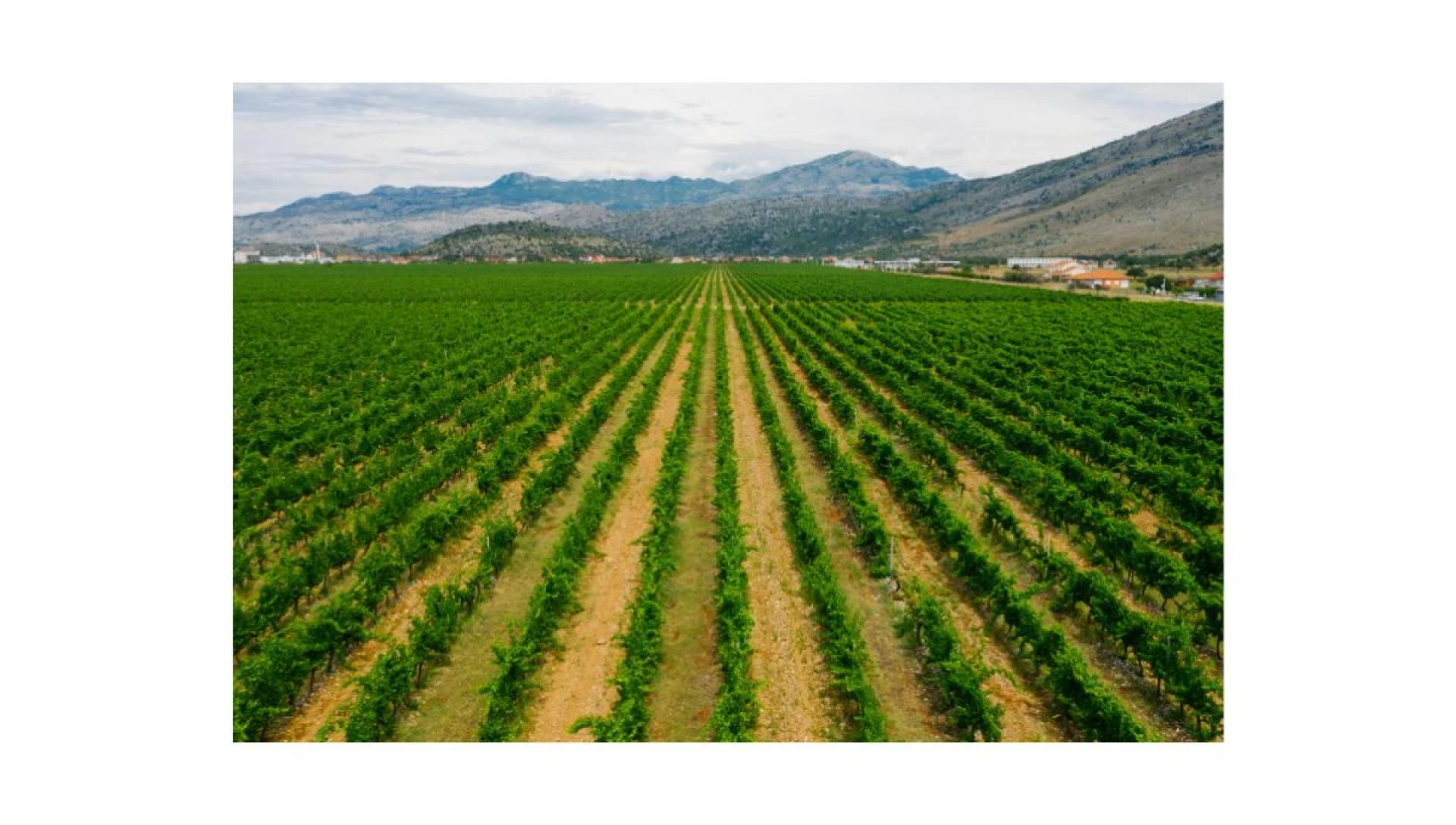

Saskatchewan is one of Canada’s top farming provinces. It has wide, fertile lands, strong roads, and good help for farmers and investors. But not all land is the same. Some places suit specific crops. Others work well for raising animals or renting land. This guide will help you compare farming regions in Saskatchewan and pick the right spot for your needs.
Key Things to Compare:
- Weather and soil
- Best crops and animals
- Access to roads and markets
- Land prices and income
1. Southeast Saskatchewan
- Climate and Soil: This area has warm summers and moderate rain. The soil is rich and great for farming.
- Crops and Livestock: Top crops include wheat, canola, barley, and oats. It’s also good for cattle and mixed farming.
- Infrastructure and Markets: Close to major highways and grain terminals. Easy to ship crops.
- Affordability and Returns: Prices are moderate, and rental income is steady. A good choice for investors wanting balance.
2. Southwest Saskatchewan
- Climate and Soil: Drier than the southeast with sandy soil in many parts.
- Crops and Livestock: Best for drought-tolerant crops like lentils and chickpeas. Strong cattle ranching.
- Infrastructure and Markets: Some areas are remote, but main roads are decent. Less access to large markets.
- Affordability and Returns: Land is cheaper, but yields may be lower. Good for low-cost, long-term investment.
3. East-Central Saskatchewan
- Climate and Soil: Moist with high-quality black soil. One of the best areas for growing crops.
- Crops and Livestock: Excellent for canola, wheat, and barley. Some livestock, too.
- Infrastructure and Markets: Good road access and grain handling. Close to key rail lines.
- Affordability and Returns: Land prices are rising, but still fair. High yields offer strong returns.
4. West-Central Saskatchewan
- Climate and Soil: Drier but still good for farming. Soil ranges from loam to clay.
- Crops and Livestock: Wheat, lentils, peas, and barley are common. Cattle operations are common.
- Infrastructure and Markets: Grain elevators and highways are well-placed. Easy to transport goods.
- Affordability and Returns: Moderate prices with good rental rates. Great for crop investors.
5. Northern Saskatchewan
- Climate and Soil: Cooler with shorter growing seasons. Soil can be mixed.
- Crops and Livestock: Less farming overall. Some hay and livestock are in cleared areas.
- Infrastructure and Markets: Fewer roads and services. Transport can be harder.
- Affordability and Returns: Very low land prices but lower farming potential. Best for long-term speculation.
Final Thoughts
Saskatchewan offers many farmland choices, from top-tier crop land to affordable ranching areas. Your goals will guide your choice:
- Want strong yields and high rental income? Look at East-Central or Southeast.
- Want low-cost land for cattle or lentils? Try Southwest or West-Central.
- Looking to invest for the future? Northern areas may offer potential.
External Resources:
- Government of Saskatchewan – Agriculture
- Farm Credit Canada – Farmland Value Report



























Sign in to leave a comment.