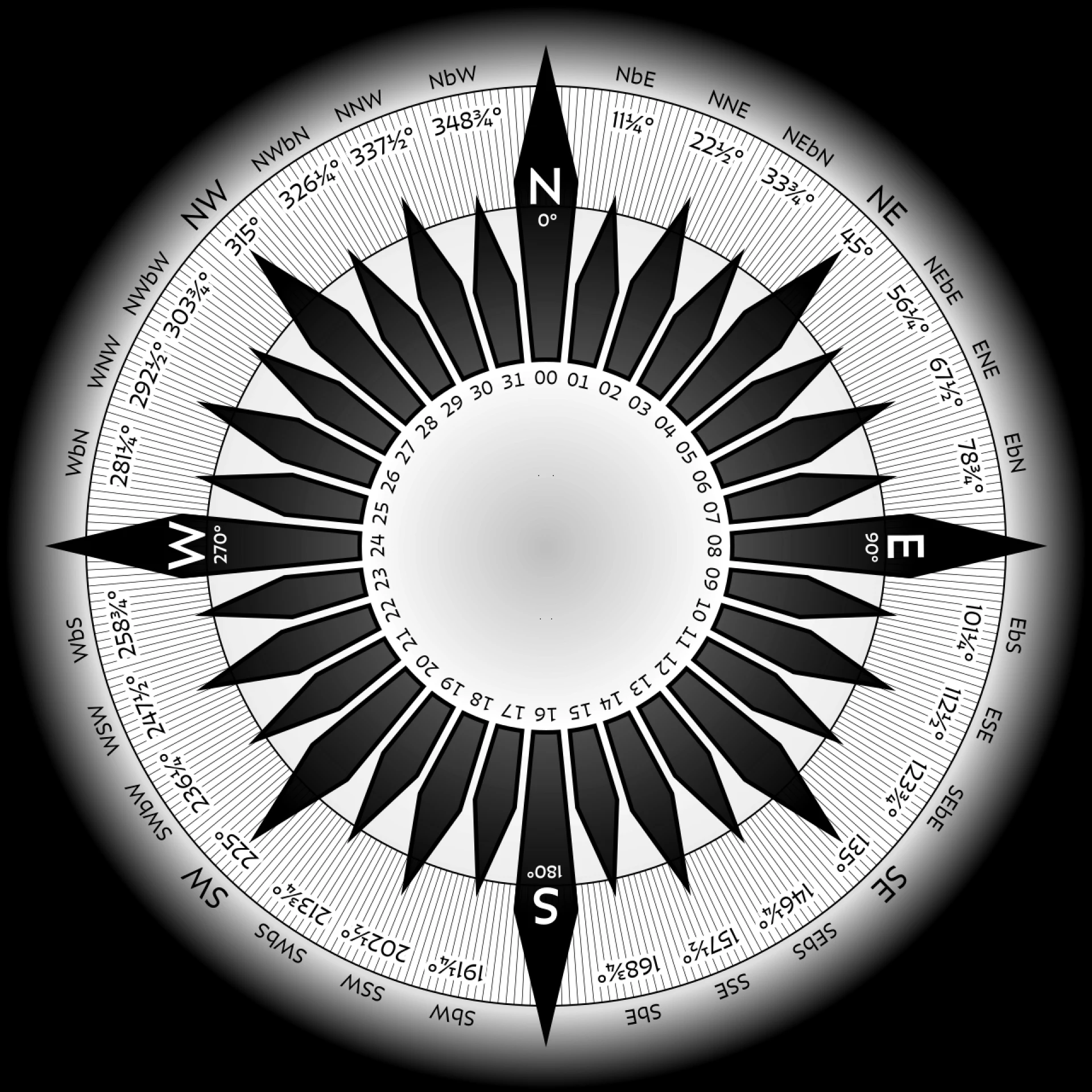
What Is a Compass?
A compass is one of the most trusted navigation tools in history, used for centuries to determine direction and guide travelers safely to their destination. Before modern technology like GPS existed, explorers, sailors, and adventurers relied heavily on a compass to navigate unknown lands and oceans. Even today, a compass remains an essential tool for outdoor activities such as hiking, camping, trekking, and survival situations where electronic devices may fail.
How Does a Compass Work?
A compass works by using Earth’s magnetic field. Inside the compass is a magnetic needle that naturally aligns itself with magnetic north. Once the needle settles, it provides a stable reference point that helps identify the four main directions: north, south, east, and west. Most compasses also include a rotating dial, degree markings, and directional arrows to improve accuracy and ease of use.
How to Use a Compass Step by Step
Learning how to use a compass is simple and does not require advanced skills. First, place the compass flat on your palm so the needle can move freely. Allow the needle to settle, then rotate the compass housing until the needle aligns with the north indicator. Once aligned, you can read the direction you need to travel by following the marked bearing. With regular practice, using a compass becomes quick and instinctive.
Using a Compass With a Map
A compass becomes even more powerful when used alongside a map. By aligning the compass with the map’s north, you can accurately identify your location, measure bearings, and plan your route. This method is especially useful in forests, mountains, and remote areas where landmarks are limited. Unlike digital navigation tools, a compass works without batteries or signals, making it highly dependable.
Types of Compasses
There are several types of compasses available for different needs. Magnetic compasses are the most common and widely used for outdoor navigation. Lensatic compasses are often used by military and professional navigators due to their precision. Digital compasses, commonly found in smartphones, are convenient but depend on electronic systems. Despite technological advances, traditional compasses are still preferred for reliability.
Why Learning Compass Skills Is Important
Knowing how to use a compass improves your sense of direction and builds confidence when traveling in unfamiliar areas. It helps you understand terrain, distance, and orientation without relying entirely on technology. This skill is particularly valuable during emergencies, outdoor expeditions, and long-distance travel where digital tools may stop working.
Educational and Practical Benefits of a Compass
Beyond navigation, a compass is also a great learning tool. It helps students understand geography, basic physics, and spatial awareness. Practicing compass navigation encourages problem-solving and decision-making skills, making it useful for both educational and practical purposes.
Conclusion
A compass is a timeless navigation tool that remains relevant in the modern world. Its simplicity, durability, and reliability make it an essential item for adventurers, travelers, and survival enthusiasts. By understanding how a compass works and practicing its proper use, anyone can navigate confidently and safely. No matter how advanced technology becomes, the compass will always be a reliable guide for direction and exploration.









Sign in to leave a comment.