
In today's rapidly changing world, the need for advanced security solutions is more crucial than ever. Whether for residential, commercial, or industrial purposes, Closed Circuit Television (CCTV) systems have become the gold standard for surveillance and safety. This guide provides everything you need to know about closed circuit camera installation, including its benefits, components, installation steps, and why it is a must-have for modern security needs.
Why Closed Circuit Camera Systems Are Essential
Security is not a luxury—it's a necessity. With increasing rates of theft, vandalism, and trespassing, homes and businesses alike are investing in surveillance systems to monitor and protect their properties.
Benefits of CCTV Systems:
- Deterrence of Criminal Activity: The mere presence of cameras can deter burglars and intruders.
- Real-Time Monitoring: Allows you to view live footage remotely via mobile apps or web platforms.
- Evidence Collection: High-definition recordings serve as reliable evidence in case of legal disputes or investigations.
- Enhanced Employee Productivity: Businesses report better workplace discipline and efficiency under surveillance.
- Cost-Effective Security: Compared to hiring 24/7 security personnel, CCTV systems are a one-time investment with long-term benefits.
Types of Closed Circuit Cameras
Before diving into installation, it’s important to understand the different types of CCTV cameras available on the market. Your choice should align with your surveillance needs and the environment in which they will be installed.
1. Dome Cameras
- Best for indoor use
- Discreet and less intrusive
- 360-degree rotation
2. Bullet Cameras
- Ideal for long-distance viewing
- Typically used outdoors
- Resistant to harsh weather
3. PTZ Cameras (Pan Tilt Zoom)
- Offers remote control for panning and zooming
- Suitable for large commercial properties
4. IP Cameras
- Uses internet protocol to transmit data
- Offers high-resolution video and cloud storage
5. Wireless Cameras
- Easy to install
- Great for temporary or rental locations
Key Components of a CCTV System
A properly functioning CCTV system comprises several essential components:
- Cameras: Capture the video.
- Digital Video Recorder (DVR) or Network Video Recorder (NVR): Stores the video footage.
- Cables and Connectors: Used for data and power transmission (unless wireless).
- Power Supply Unit: Ensures uninterrupted power to the system.
- Monitor: Allows you to view the footage.
- Storage: Hard drives or cloud for video archiving.
Step-by-Step Process for Closed Circuit Camera Installation
While DIY kits are available, professional installation ensures optimal camera positioning, cable management, and system integration. Here’s a simplified overview of the professional installation process:
1. Site Survey and Requirement Analysis
- Inspect the area to be monitored.
- Identify critical access points, blind spots, and high-traffic zones.
- Decide on the number and type of cameras required.
2. Planning the Layout
- Draw a layout or blueprint indicating camera placements.
- Ensure maximum coverage with minimal overlap.
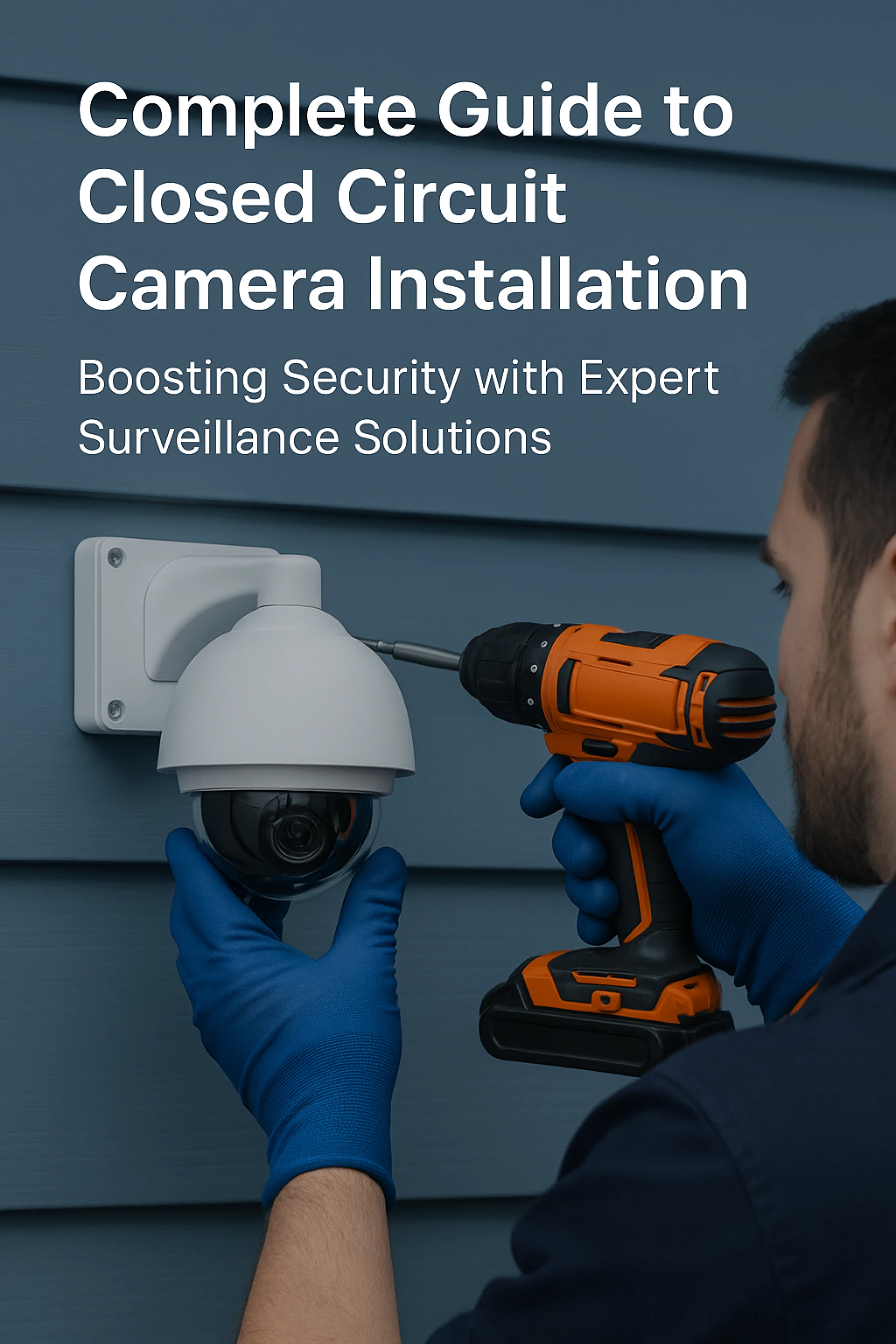
3. Mounting the Cameras
- Install brackets at marked locations.
- Use appropriate tools to secure cameras firmly.
- Adjust angles to capture optimal fields of view.
4. Running the Cables
- Conceal cables through walls, ceilings, or conduits.
- Keep data and power cables separated to avoid interference.
- For wireless systems, configure Wi-Fi settings and ensure stable connectivity.
5. Connecting to the DVR/NVR
- Attach all cameras to the recording system.
- Label connections for easy troubleshooting.
6. System Configuration
- Set up recording schedules (continuous, motion-detection, or timed).
- Configure user access controls and alerts.
- Set up remote access through mobile or desktop apps.
7. Testing and Optimization
- Review live footage and recorded playback.
- Make necessary angle and focus adjustments.
- Ensure video quality and night vision functionality.
For professional-grade closed circuit camera installation in the UAE, Cascade Computer Trading provides tailored surveillance solutions for homes, offices, and industrial complexes.
Common Installation Mistakes to Avoid
Even high-quality cameras can underperform if installation isn’t done correctly. Here are common pitfalls to avoid:
- Wrong Placement: Installing cameras too high or facing direct sunlight reduces effectiveness.
- Inadequate Storage: Not having enough memory space for recorded footage can be detrimental in emergencies.
- Poor Cable Management: Exposed or tangled wires not only look unprofessional but can be hazardous.
- Ignoring Privacy Laws: Always inform employees or residents if surveillance is active to comply with local laws.
- No Remote Access Setup: Failing to enable remote monitoring limits the system’s usability.
Integrating with Other Security Systems
CCTV systems work best when integrated with other security measures such as:
- Intrusion Detection Systems: Alerts triggered by motion sensors.
- Alarm Systems: Sounds alerts when unauthorized access is detected.
- Access Control Systems: Grants or denies entry to specific areas.
- Fire and Smoke Detection: Alerts in case of fire hazards, adding another layer of safety.
Modern surveillance solutions allow centralized control through mobile apps or centralized management software, making it easier to monitor multiple systems from a single dashboard.
Residential vs. Commercial Installation
While the core principles remain the same, residential and commercial installations vary significantly in scale and complexity.
Residential CCTV Installation:
- Typically 2–4 cameras
- Focus on entry points, garages, and backyards
- Often use wireless IP cameras for ease of installation
Commercial CCTV Installation:
- Multiple cameras covering large areas
- Higher data storage needs
- Integration with advanced analytics (facial recognition, heat mapping, etc.)
Cost Considerations
The cost of installing a closed circuit camera system depends on several factors:
- Number of Cameras
- Camera Resolution and Features
- Storage Capacity
- Wiring and Mounting Complexity
- Service Charges for Professional Installation
A basic home setup might cost a few hundred dollars, while a fully integrated commercial system could run into thousands. However, the long-term benefits in safety and peace of mind make it a valuable investment.
Maintenance and Upkeep
To ensure continuous and efficient performance, CCTV systems require regular maintenance:
- Monthly Cleaning: Dust and dirt can affect image clarity.
- Software Updates: Keep firmware up to date for performance and security patches.
- Check Storage: Ensure hard drives or cloud services are not at full capacity.
- Inspect Cables and Connectors: Regular checks help prevent power loss or video feed interruptions.
Professional service providers often offer Annual Maintenance Contracts (AMC) to ensure your system stays operational 24/7.
Choosing the Right Installation Partner
With numerous options in the market, selecting the right installation partner is key. Look for companies that:
- Offer customized security solutions tailored to your property
- Have positive client testimonials
- Provide post-installation support and AMC
- Use certified technicians and genuine equipment
Cascade Computer Trading, a trusted name in UAE’s security solutions industry, specializes in closed circuit camera installation and offers comprehensive packages to suit residential and commercial needs alike. Their expert team ensures your premises are always under reliable surveillance.










Sign in to leave a comment.