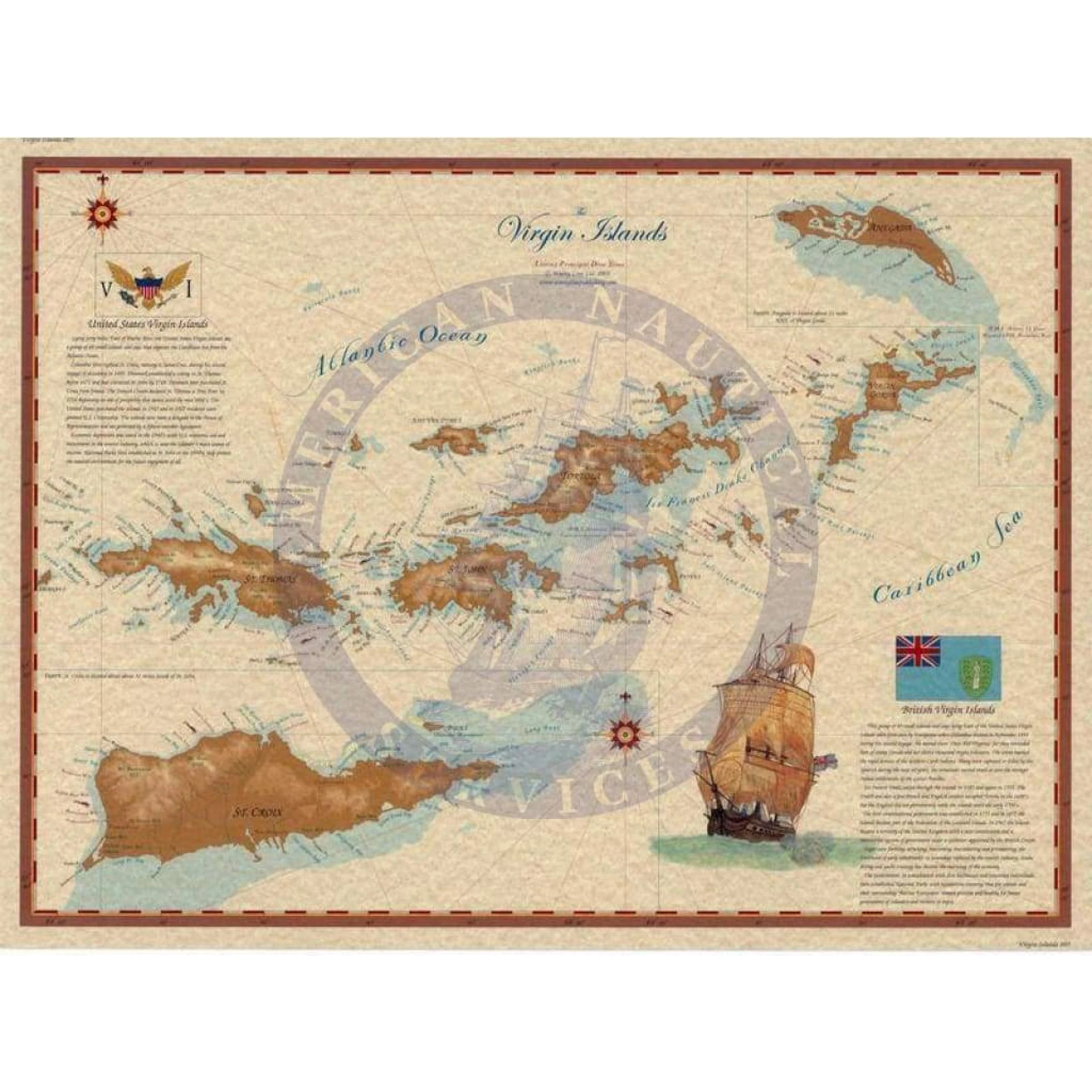

Nautical charts are special maps used at sea. They help sailors, captains, and boaters travel safely. These charts show water depth, coastlines, hazards, and navigation routes. Without nautical charts, it is hard to move safely on water.
They are made with care and updated often. Mariners trust them to avoid rocks, shallow areas, and other dangers. Good charts also show ports, lights, and tides. This makes them a must-have for every vessel.
If you are looking for reliable options, you can explore nautical charts from trusted providers like American Nautical.
Types of Nautical Charts Used Today
There are different types of nautical charts for different needs. Each type helps in a unique way.
- Electronic Navigational Charts (ENCs)
Used on digital systems for real-time navigation. - Raster Nautical Charts (RNCs)
Digital copies of paper charts. - Paper Nautical Charts
Traditional charts still used for backup and planning. - Harbor Charts
Show detailed port areas and docking points. - Coastal Charts
Used for nearshore navigation.
Each type supports safe marine travel. Many sailors use both digital and paper charts for extra safety.
Key Features Found in Nautical Charts
Nautical charts are full of useful details. These features help mariners understand the water better.
- Water depth shown with numbers and contour lines
- Symbols for rocks, wrecks, and reefs
- Markers for buoys and lighthouses
- Compass rose for direction
- Shorelines and land shapes
- Tidal and current information
These features make nautical charts easy to read once you learn the basics. They give a clear picture of what lies ahead.
How Nautical Charts Help in Navigation
Nautical charts guide every step of a journey at sea. They help plan routes and avoid danger.
- Help choose the safest path
- Show shallow waters to avoid grounding
- Guide ships into ports safely
- Support GPS and navigation systems
- Improve decision making during bad weather
Using updated charts is very important. Old charts may miss new hazards or changes in water depth. That is why many professionals rely on trusted sources like American Nautical for updated nautical charts.
Tips for Using Nautical Charts Effectively
Using nautical charts becomes easy with practice. Here are some simple tips:
- Always check the chart date before use
- Learn basic symbols and markings
- Use a compass with your chart
- Keep both paper and digital charts
- Mark your route before starting
These small steps can make a big difference in safety and accuracy.
Frequently Asked Questions
What are nautical charts used for?
Nautical charts are used to guide ships and boats safely by showing water depth, hazards, and routes.
Are nautical charts still important today?
Yes, they are essential even with GPS. They provide backup and detailed local information.
What is the difference between ENC and RNC?
ENCs are vector-based digital charts, while RNCs are scanned images of paper charts.
How often are nautical charts updated?
They are updated regularly to include new data about depths, hazards, and navigation aids.
Can beginners read nautical charts?
Yes, with basic learning, beginners can understand symbols and use charts effectively.
Where can I buy reliable nautical charts?
You can buy them from trusted providers like American Nautical for accuracy and quality.
Final Thoughts
Nautical charts are the backbone of safe sea travel. They help avoid risks and guide vessels with confidence. Whether you are a beginner or an expert, understanding these charts is key. Choosing updated and reliable charts ensures better safety and smoother journeys every time.



Sign in to leave a comment.