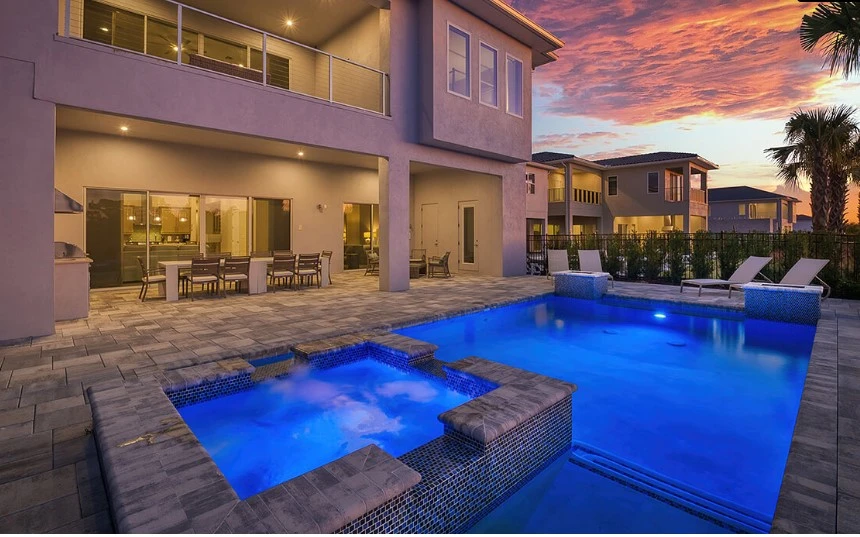

Dreaming of transforming your backyard into a personal oasis? Whether you envision a serene retreat or a vibrant gathering spot, selecting the right pool is crucial. This comprehensive guide delves into the various pool types, designs, features, and the installation process, equipping you with the knowledge to make the best decision for your home.
Types of Pools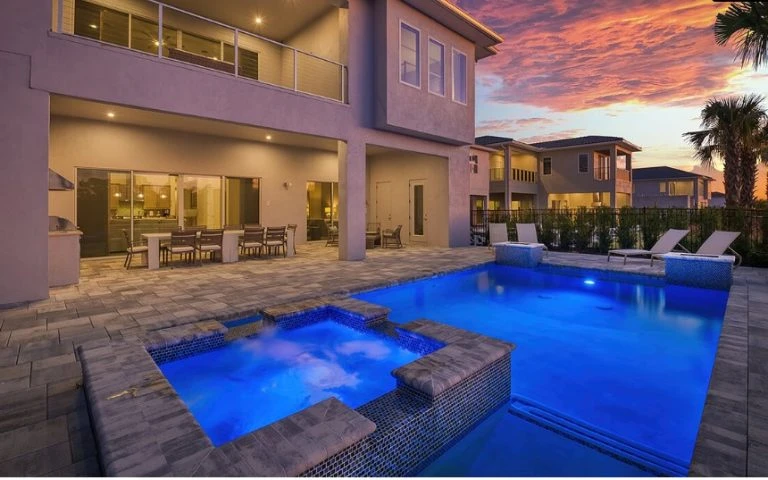
1. Concrete Pools
Concrete pools, known for their robustness and versatility, are a top choice for homeowners seeking a custom design. These pools can be sculpted into any shape or size, offering limitless design possibilities. Constructed using steel-reinforced walls and a concrete shell, they are incredibly durable and long-lasting.
Pros:
- Endless customization options in shape, size, and features.
- Exceptionally durable, with a lifespan that can extend over decades.
- Ideal for elaborate designs, including built-in spas and intricate water features.
Cons:
- Longer installation time compared to other types.
- Higher initial cost and more intensive maintenance requirements.
2. Fiberglass Inground Pools
Fiberglass pools come as pre-formed shells, offering a smooth, non-porous surface that resists algae growth and reduces maintenance. These pools are available in various shapes and sizes, though customization is more limited compared to concrete pools.
Pros:
- Quick installation, often completed in a matter of days.
- Low maintenance due to the non-porous surface.
- Generally more affordable than concrete pools.
Cons:
- Limited customization in terms of shape and size.
- Repairs can be more complex if the fiberglass shell is damaged.
3. Vinyl Liner Pools
Vinyl liner pools are constructed with a metal or polymer frame and a custom-fitted vinyl liner. These pools offer some level of customization and are typically more affordable than both concrete and fiberglass pools.
Pros:
- Lower initial cost.
- Smooth surface that is gentle on the skin.
- Moderate customization options.
Cons:
- Liner requires replacement every 7-10 years.
- Susceptible to punctures and tears.
Inground vs. Semi-Inground Pools
Inground Pools
Fully inground pools are the most traditional type, installed completely below ground level. They offer a seamless, integrated look and can be tailored to fit various landscaping designs.
Advantages:
- Aesthetic appeal with seamless backyard integration.
- Extensive design options, from geometric to freeform shapes.
- Potential for luxurious add-ons like spas, waterfalls, and mood lighting.
Semi-Inground Pools
Semi-inground pools are partially installed below ground, with a portion above ground. They provide a distinctive appearance and can be a budget-friendly alternative to fully inground pools.
Advantages:
- Easier and quicker installation.
- Suitable for sloped or uneven terrain.
- Often more cost-effective than fully inground pools.
Pool Designs and Features
Modern and Geometric Pools
Modern pools emphasize clean lines, minimalism, and high-end materials. Geometric pools, characterized by their sharp angles and defined shapes, fall under this category, offering a contemporary and sophisticated look.
Custom Pools
Custom pools cater to specific preferences, offering endless possibilities in design and features. Whether you envision a unique shape, a themed environment, or special features like a swim-up bar or infinity edge, custom pools bring your dream to life.
Pool Spas
Incorporating a spa into your pool design adds a touch of luxury and relaxation. Pool spas can seamlessly blend with the main pool, providing a perfect spot for unwinding and enjoying hydrotherapy.
Choosing the Right Pool Builder
Finding a Local Pool Builder
Selecting a reliable pool builder is essential for a smooth and successful installation. Look for builders with strong reputations, positive customer reviews, and extensive experience in constructing the type of pool you desire.
Custom Pool Builders
Custom pool builders specialize in creating unique and personalized pools. They work closely with clients to understand their vision and deliver a pool that matches their specific needs and aesthetic preferences.
Pool Contractors
Pool contractors oversee the entire construction process, from initial design to final installation. They coordinate with various specialists to ensure every aspect of the pool project meets high standards of quality and safety.
Pool Installation Process
Pool Installation
The pool installation process involves several steps, including site evaluation, design approval, excavation, construction, plumbing, electrical work, and finishing touches. Depending on the pool type and complexity, this process can take anywhere from a few weeks to several months.
Benefits of Working with Local Pool Companies
Collaborating with local pool companies offers numerous advantages, such as familiarity with local building codes, faster response times, and the convenience of visiting their showroom or completed projects.
Maintenance and Care
Routine Maintenance
Regular maintenance is vital to keep your pool in optimal condition. This includes cleaning, balancing water chemistry, and inspecting equipment. Many pool owners opt for professional maintenance services to ensure their pool remains pristine.
Seasonal Care
Seasonal maintenance involves preparing your pool for different weather conditions. In colder climates, this includes winterizing the pool to prevent damage from freezing temperatures, while springtime requires reopening and cleaning the pool.
Enhancing Your Pool Area
Landscaping
Enhancing the area around your pool with thoughtful landscaping can elevate the overall aesthetic and create a cohesive outdoor living space. Consider adding plants, trees, and decorative elements to complement your pool design.
Outdoor Living Spaces
Incorporating outdoor living spaces such as patios, decks, and pergolas can extend the functionality of your pool area. Features like outdoor kitchens, fire pits, and lounging areas enhance the usability and enjoyment of your backyard.
Pool Lighting
Proper lighting can transform your pool into a stunning nighttime oasis. Options include underwater LED lights, landscape lighting, and accent lighting to highlight specific features. Lighting not only enhances beauty but also improves safety during evening swims.
Safety Features
Safety is paramount when owning a pool. Installing safety features like pool fences, alarms, and covers helps prevent accidents and ensures a secure environment for children and pets.
Sustainable Pool Options
Energy-Efficient Equipment
Investing in energy-efficient pool equipment, such as variable speed pumps, LED lights, and solar heaters, reduces energy consumption and lowers operating costs. These eco-friendly options benefit both the environment and your wallet.
Water Conservation
Implementing water conservation measures, such as using a pool cover to reduce evaporation and installing a rainwater harvesting system, helps conserve water and maintain a sustainable pool environment.
Eco-Friendly Pool Materials
Opting for eco-friendly pool materials, such as recycled or sustainably sourced tiles and decking, reduces your environmental impact. Consider using natural filtration systems like plants and bio-filters to maintain clean and healthy pool water.
Conclusion
Choosing the ideal pool for your home requires careful consideration of various factors, including pool type, design, features, and the installation process. By understanding the available options and working with experienced professionals, you can create a stunning backyard oasis that offers endless enjoyment for years to come.
For more information or to get a quote, visit Infinite Pools and Spas.







Sign in to leave a comment.