
Individuals with diabetes often face unique challenges in wound healing, making it crucial to address wound care solutions tailored to their specific needs. This article will delve into the intricacies of wound care, explore advanced wound care solutions, and emphasize the significance of managing wounds, especially in the context of diabetes-related ulcers.
Understanding Wound Care
Wounds can be classified into various types, including acute and chronic wounds. Acute wounds typically result from injuries or surgery and have a predictable healing process. In contrast, chronic wounds, such as ulcers, bedsores, and diabetic foot ulcers, pose a more significant challenge due to impaired healing mechanisms.
Wound care involves a systematic approach that includes regularly cleaning, dressing, and monitoring the wound. Proper wound care is essential to prevent infection, reduce inflammation, and promote optimal healing. For individuals with diabetes, the healing process is often compromised due to factors like poor circulation, neuropathy, and compromised immune function.
Diabetes is a chronic condition characterized by high blood sugar levels that can lead to various complications, including impaired wound healing. Elevated glucose levels contribute to reduced blood flow, making it difficult for essential nutrients and oxygen to reach the wound site. Additionally, diabetic neuropathy can lead to diminished sensation, resulting in delayed detection of wounds and increased vulnerability to infections.
Wound healing and diabetes: The best way to stop the increasing wound area
Diabetes-related ulcers, particularly diabetic foot ulcers, are a common complication that requires specialized attention. These ulcers can be challenging to manage due to their propensity to become infected and the risk of developing into more severe complications, such as gangrene. Wound healing and diabetes manage to stop the increasing wound area.
Advanced Wound Care Solutions
The field of wound care has evolved significantly, with advancements in technology and innovative treatment modalities improving outcomes for patients with chronic wounds. Here are some critical advanced wound care solutions:
Topical Wound Healing Agents: Various topical agents, including growth factors, antimicrobial dressings, and bioengineered tissues, can promote wound healing. Growth factors stimulate cell proliferation and tissue regeneration, while antimicrobial dressings as one of the best wound care solutions help prevent infections in compromised wounds.
One of the best wound care solutions help prevent infections in compromised wounds.
Negative Pressure Wound Therapy (NPWT): NPWT involves applying controlled negative pressure to the wound site using a vacuum dressing. This technique enhances blood flow, removes excess fluid, and promotes granulation tissue formation, accelerating the healing process.
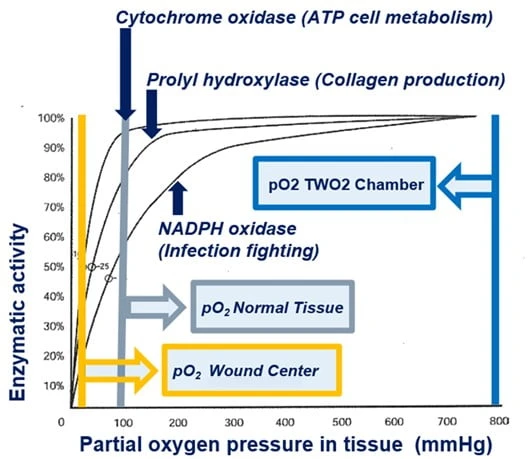
Hyperbaric Oxygen Therapy (HBOT): HBOT involves exposing the patient to pure oxygen in a pressurized chamber, increasing oxygen levels in the blood and promoting wound healing. This therapy is particularly beneficial for chronic wounds, including those associated with diabetes.
Advanced Dressings: Innovations in wound dressings, such as hydrogels, foams, and films, provide an optimal environment for wound healing. These dressings can manage moisture, prevent infection, and facilitate the removal of dead tissue.
Biological and Cellular Therapies: Stem cell therapy and tissue engineering techniques are being explored as potential interventions to enhance wound healing. These approaches aim to replace or regenerate damaged tissues, offering new hope for individuals with chronic wounds.
Diabetes-Specific Wound Care Strategies
Given the unique challenges individuals face with diabetes, adopting a holistic approach to wound care is essential. This includes:
Strict Glycemic Control: Maintaining blood sugar levels within the target range is crucial for supporting the body's natural healing processes and preventing complications.
Regular Foot Inspections: People with diabetes should conduct daily foot inspections to detect wounds or abnormalities early. Early intervention can prevent the progression of minor issues into more severe complications.
Proper Footwear and Foot Hygiene: Wearing well-fitted, comfortable shoes and practicing wound care ulcer can reduce the risk of foot ulcers in individuals with diabetes.
Multidisciplinary Approach: Collaborative care involving healthcare professionals from various disciplines, including endocrinologists, podiatrists, and wound care specialists, ensures a comprehensive and personalized approach to managing diabetes-related wounds.
Conclusion
Wound care is a critical component of healthcare, and its significance is heightened in individuals with diabetes who face unique challenges in the healing process. Advanced wound care solutions and diabetes-specific strategies can significantly improve outcomes and enhance the quality of life for those grappling with chronic wounds. By staying vigilant, adopting preventive measures, and leveraging innovative therapies, we can pave the way for effective wound management and, ultimately, improved overall health for individuals with diabetes.











Sign in to leave a comment.