
Introduction
Concept art studios play a pivotal role in the world of visual storytelling, shaping and bringing to life the imaginative landscapes, characters, and worlds found within various forms of media. This essay explores the significance of concept art studios, their purpose, artistic processes involved,and their impact on shaping narratives and captivating audiences.
Understanding Concept Art Studios
Definition: Concept art studios are specialized creative agencies or teams that focus on developing visual concepts for films,games,animation projects,and other forms of media.
They collaborate closely with directors,writers,and producers to visually establish the look,mood,characters,environments,and key moments within a story.
The Purpose and Importance of Concept Art Studios
Visualizing Ideas: The primary purpose of concept art studios is to translate ideas from written scripts,briefs,or conversations into visual representations.These visuals serve as blueprints for production teams to follow during development stages.
Establishing Visual Identity: Through extensive research,synthesis,and iteration,the studio's artists create unique designs that define the visual identity and aesthetic vision for a project.
These visuals set the tone,mood,color palette,textures,costumes,facial expressions,body language,perspective,and overall atmosphere.
The Collaborative Process in Concept Art Studios
Collaboration with Directors,Writers,& Producers: Artists work hand-in-hand with key creatives such as directors,writers,and producers,to understand their vision,directive goals,narrative requirements,characters' motivations,influences,time period etc.It ensures that artwork aligns with desired outcomes.
Translating Words into Images: Through brainstorming sessions,research references,effective communication channels (such as storyboards),artists transform abstract ideas into tangible images.This process helps refine concepts before moving forward.
The Artistic Process in Concept Art Studios
Research and Reference Gathering: Artists dive into extensive research to gather visual references,which can include historical imagery,cultural motifs,natural landscapes,fashion trends,and more.These references provide a foundation for creating authentic and visually compelling designs.
Initial Sketches and Thumbnails: Artists generate initial sketches or thumbnails,exploring different compositions,perspectives,and ideas.This stage allows them to experiment with various concepts before refining the chosen direction.
Types of Concept Art Produced by Studios
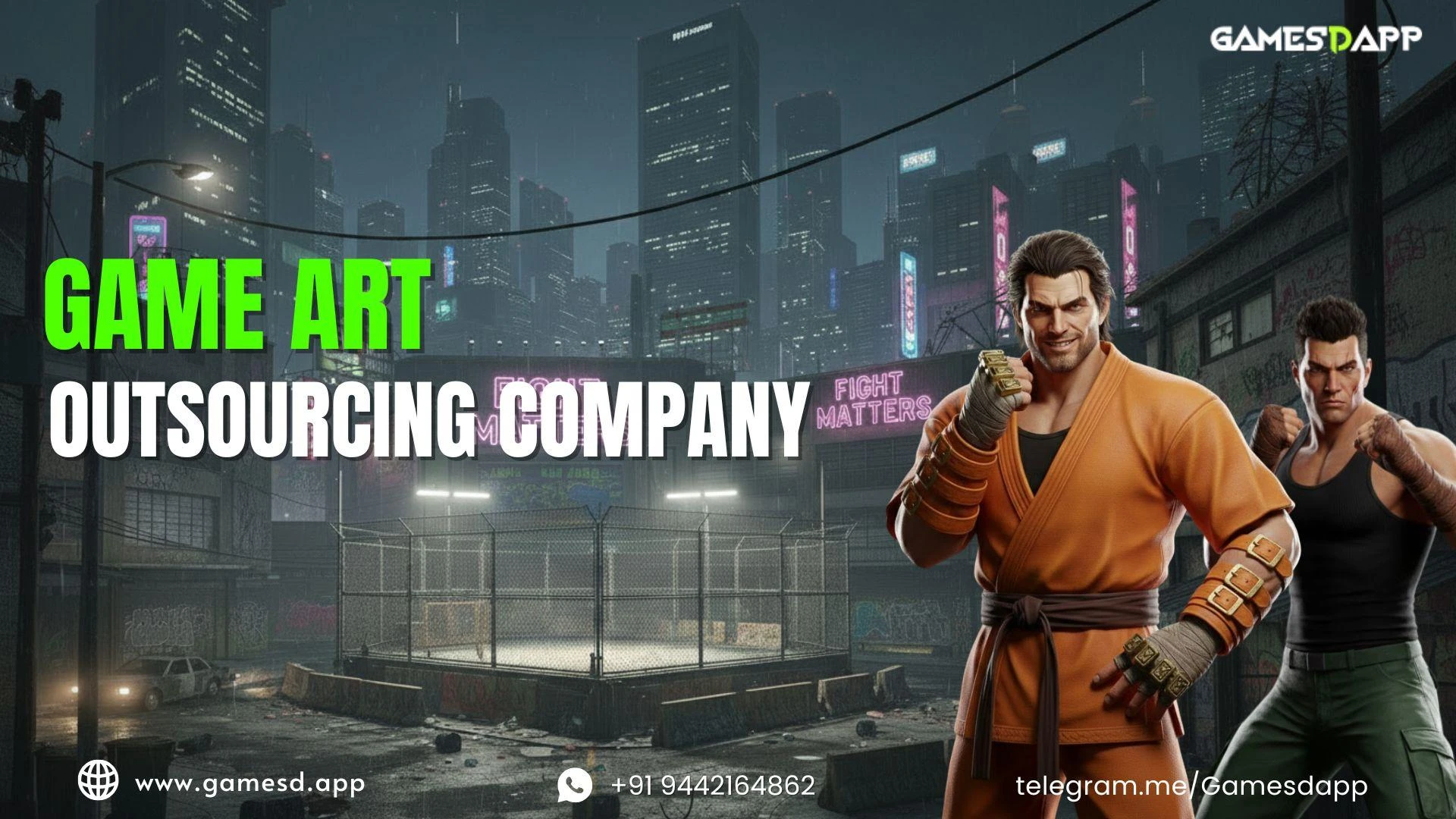
Character Design: Character concept art focuses on developing unique personalities,appearances,silhouettes,posings,and costumes that bring fictional characters to life.
This process involves capturing character traits,motivations,histories,culture backgrounds etc.,while ensuring their visual consistency throughout the story.
Environment Design: Environment concept art establishes the look,feel,and atmosphere of settings within a narrative.It encompasses everything from grand cityscapes,to lush forests,dystopian wastelands,enchanting fantasy realms,and more.
These visuals help guide production designers,set decorators,virtual environment artists,in constructing sets or virtual spaces.
Impact of Concept Art on Visual Storytelling
Captivating Audiences through Immersion: Well-executed concept art immerses audiences in richly detailed worlds,characters with depth,and captivating narratives.These visuals evoke emotions,create anticipation,pull viewers into stories' universes.
Guiding Production Teams' Vision: Concept art acts as a guiding force for directors,set designers,costume designers,VFX teams,modelers,texturing artists etc.They ensure cohesive execution across multiple disciplines.
Technological Advancements Impacting Concept Art Studios
Digital Tools & Techniques: The advent of digital tools like graphic tablets,digital painting software (Photoshop),and 3D modeling programs (ZBrush,Maya) have revolutionized the concept art process.Artists can create versatile and detailed artwork with greater efficiency and flexibility.
The Future of Concept Art Studios
Virtual Reality & Augmented Reality: The integration of VR/AR technologies allows concept artists to immerse themselves in virtual environments,enabling them to visualize concepts more dynamically.This technology may shape the future direction of concept art studios.
Real-Time Collaboration Tools: Real-time collaboration platforms facilitate seamless communication between artists,directors,and production teams across different locations.These tools enhance productivity and streamline workflows.
Concept Art for Marketing and Promotion
Key Visuals for Advertising: Concept art studios also create key visual artwork used in promotional materials such as posters, banners, and advertisements.
These visuals capture the essence of a project and entice audiences with compelling imagery.
Artistic Interpretation of Branding: Concept artists can help develop branding elements by creating unique logos, icons, or mascots that represent the identity of a game, film, or company.
They ensure that these visuals align with the overall artistic vision and evoke emotional connections with target audiences.
Concept Art for Pre-Production Planning
Storyboarding: Artists in concept art studios often contribute to storyboarding processes by visually mapping out key scenes and sequences.
Storyboards serve as visual blueprints that guide directors and cinematographers during filming or animators during production.
Visualization of Technical Concepts: In projects involving complex machinery, futuristic technology, or architectural designs, concept artists help visualize these technical concepts early on.
This allows production teams to plan ahead effectively and ensure feasibility within the narrative.
The Role of Concept Artists within Game Development Studios
Collaboration with Game Designers: Within game development studios specifically, concept artists collaborate closely with game designers to translate gameplay mechanics into visually engaging experiences.
They design levels/layouts,enemies,bosses,power-ups,and other interactive elements while considering player experience.
Conceptualizing User Interfaces (UI): UI/UX designers work together with concept artists to create intuitive user interfaces that enhance player interaction.They establish cohesive visual styles,color schemes,and iconography.
Emerging Trends in Concept Art
Virtual Reality (VR) Integration: The integration of VR technology into concept art workflows allows artists to explore and iterate on designs in an immersive virtual environment.
This enables more accurate spatial understanding and provides a sense of scale that traditional 2D artwork may not convey.
Procedural Generation: With the rise of procedural generation techniques, concept artists are also exploring ways to create modular assets or design systems that can generate various iterations automatically.
This streamlines the process of creating large-scale environments, reducing manual labor while maintaining artistic quality.
The Role of Concept Art in Non-Entertainment Industries
Architecture and Industrial Design: Concept art studios extend their services beyond entertainment industries into architectural firms and industrial design companies.
They assist with visualizing building exteriors/interiors, product concepts, vehicle designs, and more.
Advertising Campaigns: Concept art plays a crucial role in developing visuals for advertising campaigns across different industries.It helps communicate brand messages effectively through visually compelling imagery.
Concept art in polydin
Creating concept art is an essential first step in establishing the mood and tone of any project. It’s the process where our skilled artists take your ideas and transform them into stunning visuals, whether it’s a bizarre location or a complex character. Polydin in our concept art studio is passionate about bringing your imaginations to life, infusing them with character, emotion, and depth. With our creativity and expertise, we’ll help you create a unique and engaging world that captivates your audience.
Conclusion
Concept art studios serve as creative powerhouses that bring imagination to life,shaping visual narratives that captivate audiences.They play a vital role in establishing visual identities for films,games,and other media projects.With their collaborative approach,the artistic processes involved,and the impact they have on guiding production teams,concept art studios are instrumental in shaping captivating stories.As technology continues to advance,the future holds exciting possibilities for these studios. Whether through virtual reality or real-time collaboration tools,they will continue to ignite creativity,push boundaries,and inspire new generations of storytellers.


Sign in to leave a comment.