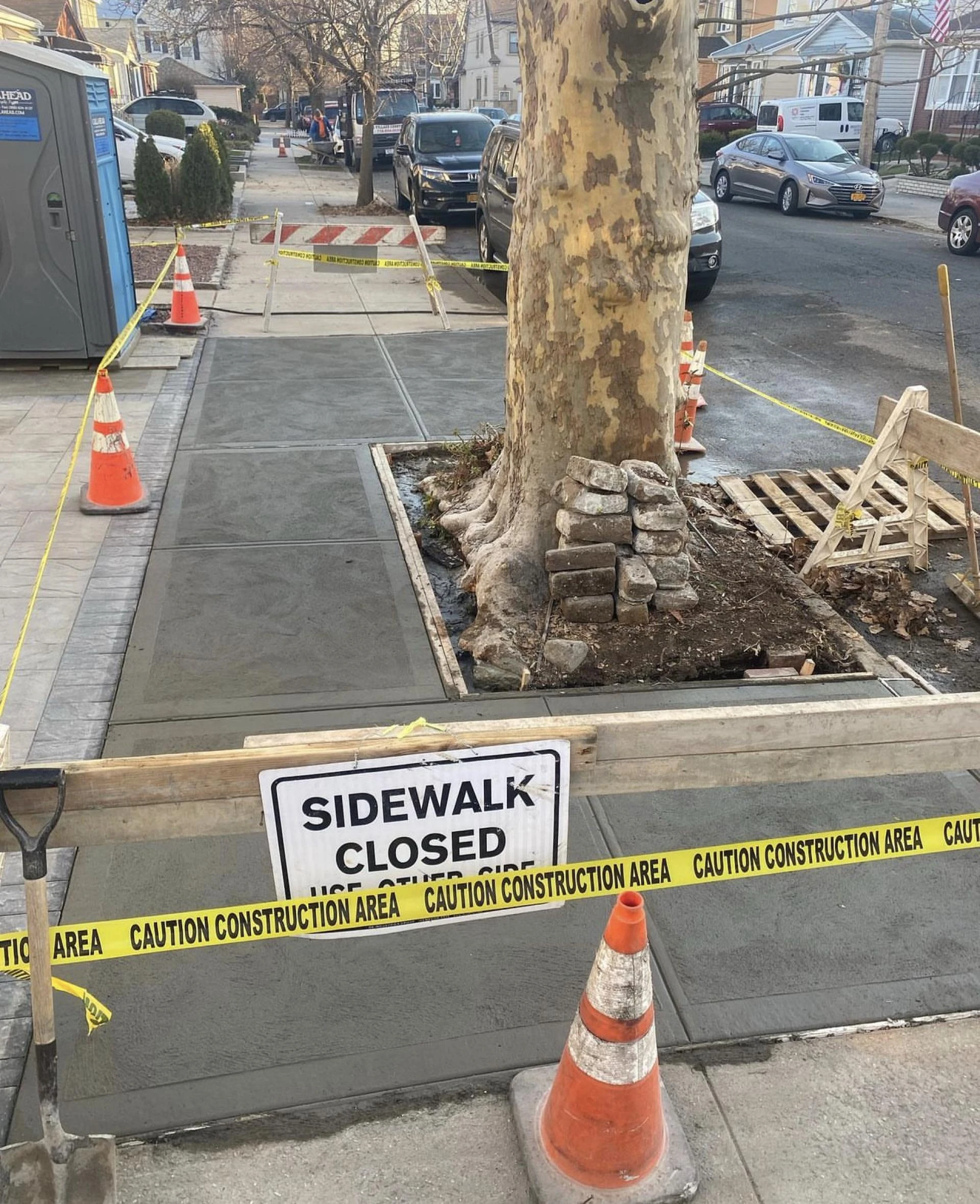
Concrete is the backbone of modern infrastructure, forming the foundation of buildings, bridges, sidewalks, and highways. Its durability and strength make it a preferred material for construction worldwide. However, even concrete is not immune to damage. Over time, exposure to environmental stressors, poor workmanship, and structural loads can lead to cracks, spalling, and other forms of deterioration. When these issues arise, timely and effective repair is essential.
Unfortunately, many property owners and contractors make critical mistakes during the repair process—errors that can cost thousands of dollars and compromise long-term safety. Structural engineers, who specialize in diagnosing and resolving these issues, offer valuable insights into the most common pitfalls and how to avoid them.
Misdiagnosing the Type of Damage
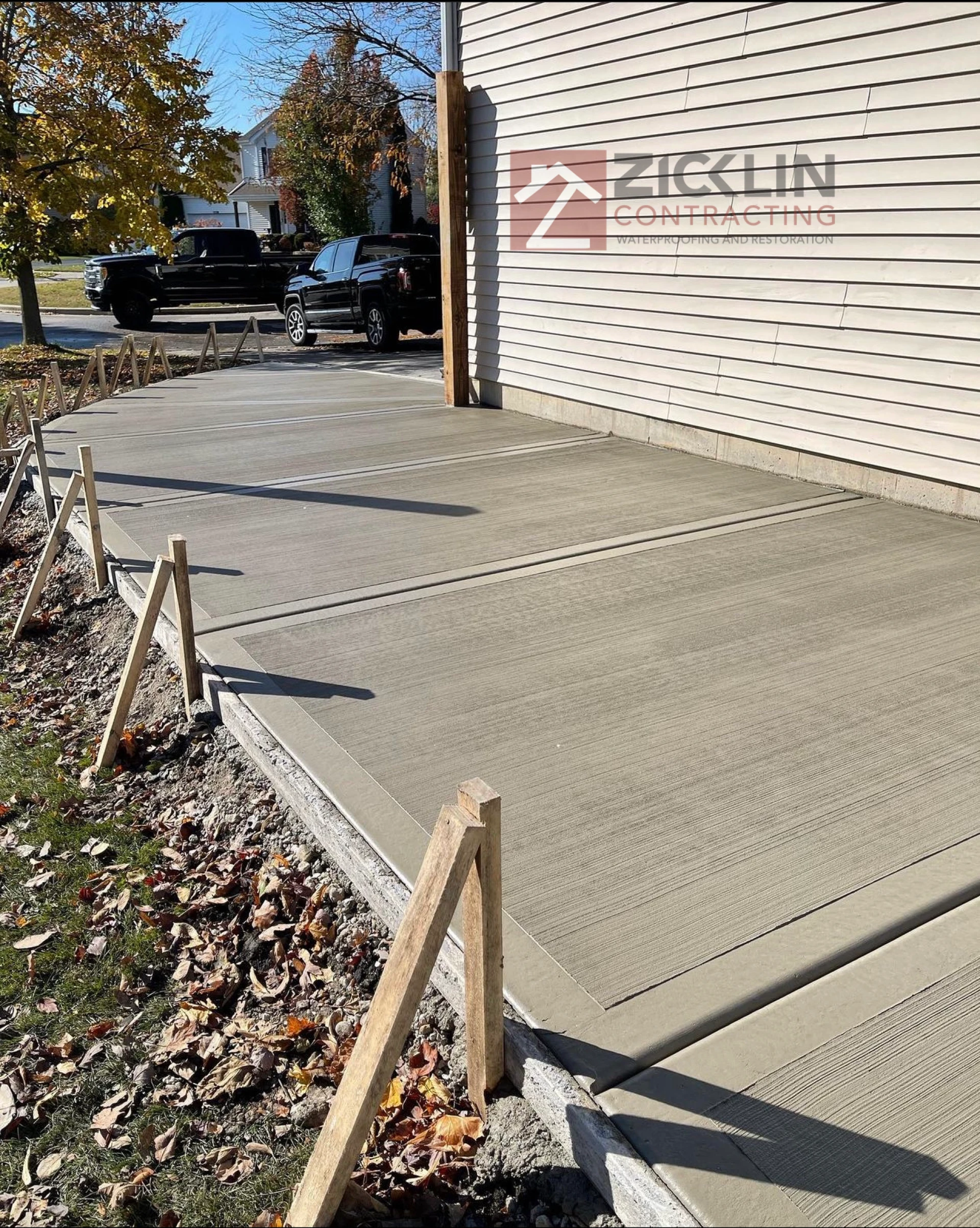
One of the most frequent and costly mistakes in concrete repair is misdiagnosing the nature of the damage. Not all cracks are created equal. Some are superficial and cosmetic, while others indicate serious structural problems. Hairline cracks caused by shrinkage may not pose a threat, but wide or growing cracks could signal foundation movement or load-bearing failure. Treating structural damage as a cosmetic issue can lead to inadequate repairs that mask the symptoms without addressing the root cause. Structural engineers emphasize the importance of thorough inspections, including visual assessments and non-destructive testing, to determine the true extent of the damage before any repair work begins.
Using Incompatible Repair Materials
Another common error is the use of incompatible materials during the repair process. Concrete is a complex composite, and its properties—such as porosity, thermal expansion, and compressive strength—must be matched by the repair material to ensure proper bonding and performance. Using a patching compound that cures faster or expands differently than the original concrete can lead to delamination, cracking, or accelerated deterioration. Structural engineers recommend selecting materials that are specifically formulated for the type of concrete and environmental conditions involved. This includes considering factors like freeze-thaw cycles, chemical exposure, and load-bearing requirements.
Ignoring Moisture and Drainage Issues
Moisture is one of the most destructive forces affecting concrete. Water infiltration can lead to corrosion of reinforcing steel, freeze-thaw damage, and efflorescence. Yet, many repair efforts fail to address underlying moisture problems. Simply sealing a crack without correcting poor drainage or waterproofing deficiencies is a temporary fix at best. Structural engineers stress the importance of identifying and mitigating sources of moisture before undertaking repairs. This may involve installing proper drainage systems, applying waterproof membranes, or improving site grading to divert water away from the structure.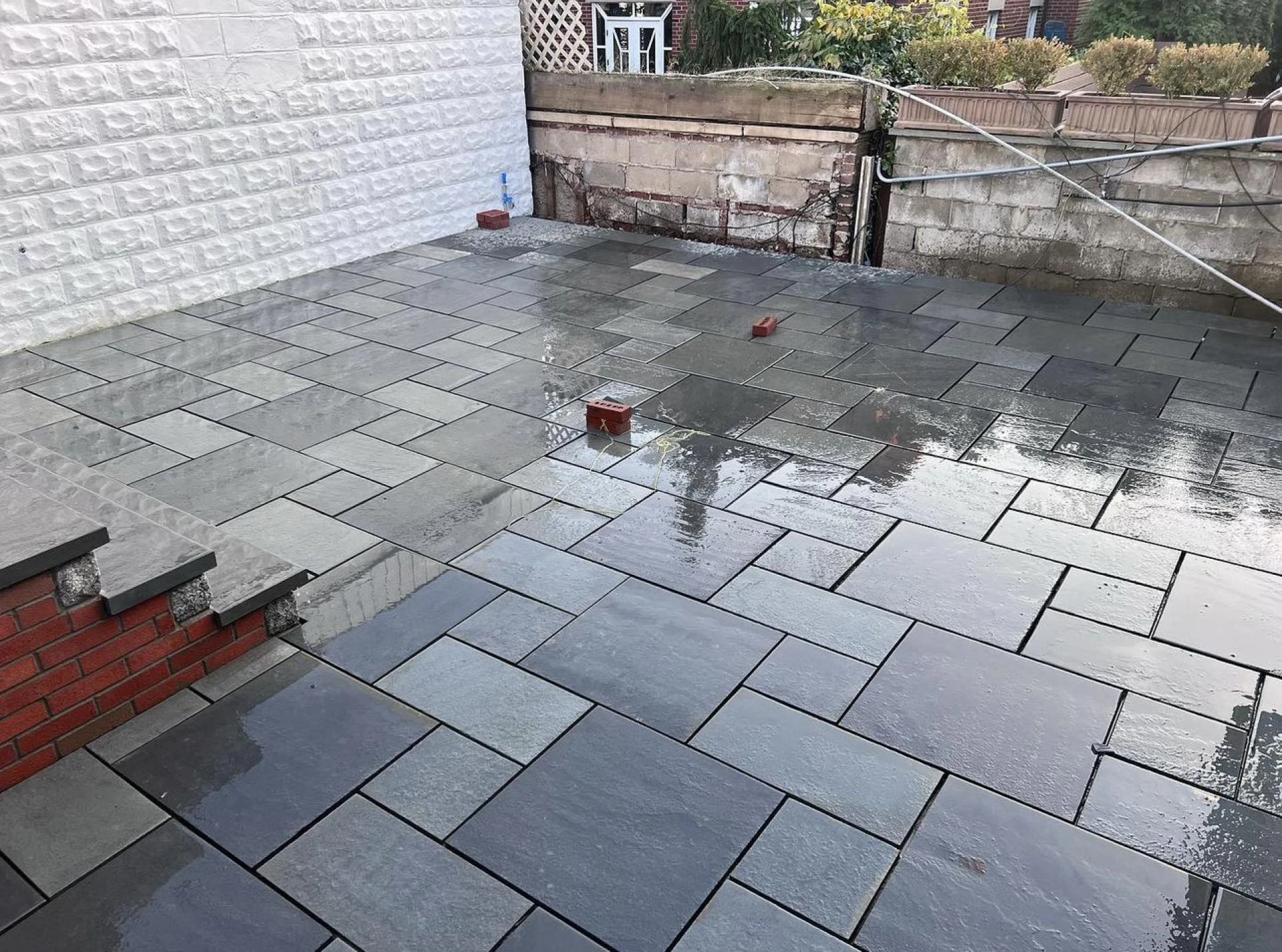
Skipping Surface Preparation
Proper surface preparation is critical to the success of any concrete repair. Without it, even the most advanced materials will fail to bond effectively. Common mistakes include neglecting to clean the surface, failing to remove loose or deteriorated concrete, and ignoring the need for mechanical roughening. These oversights can result in weak adhesion, premature failure, and wasted resources. Structural engineers advise that surface preparation should be treated as a vital step, not an afterthought. Techniques such as sandblasting, grinding, or hydrodemolition may be necessary to create a clean, roughened surface that promotes strong bonding.
Overlooking Structural Load Considerations
Concrete repairs must account for the structural loads that the element is expected to bear. Patching a column or beam without reinforcing it to handle its load can lead to catastrophic failure. In some cases, repairs may even weaken the structure if they alter load paths or reduce cross-sectional area. Structural engineers emphasize the need for load analysis before any repair is undertaken. This includes evaluating live and dead loads, seismic forces, and potential changes in use or occupancy. Reinforcement techniques such as fiber-reinforced polymer wraps or steel jacketing may be required to restore or enhance load-bearing capacity.
Relying on Unqualified Labor
Concrete repair is a specialized field that requires knowledge, experience, and precision. Unfortunately, many property owners attempt to cut costs by hiring unqualified labor or attempting DIY fixes. While this may save money upfront, it often leads to substandard repairs that fail prematurely and require costly rework. Structural engineers advocate for hiring certified professionals who understand the complexities of concrete behavior and repair techniques. This includes contractors with experience in structural rehabilitation, material science, and code compliance.
Neglecting Long-Term Maintenance
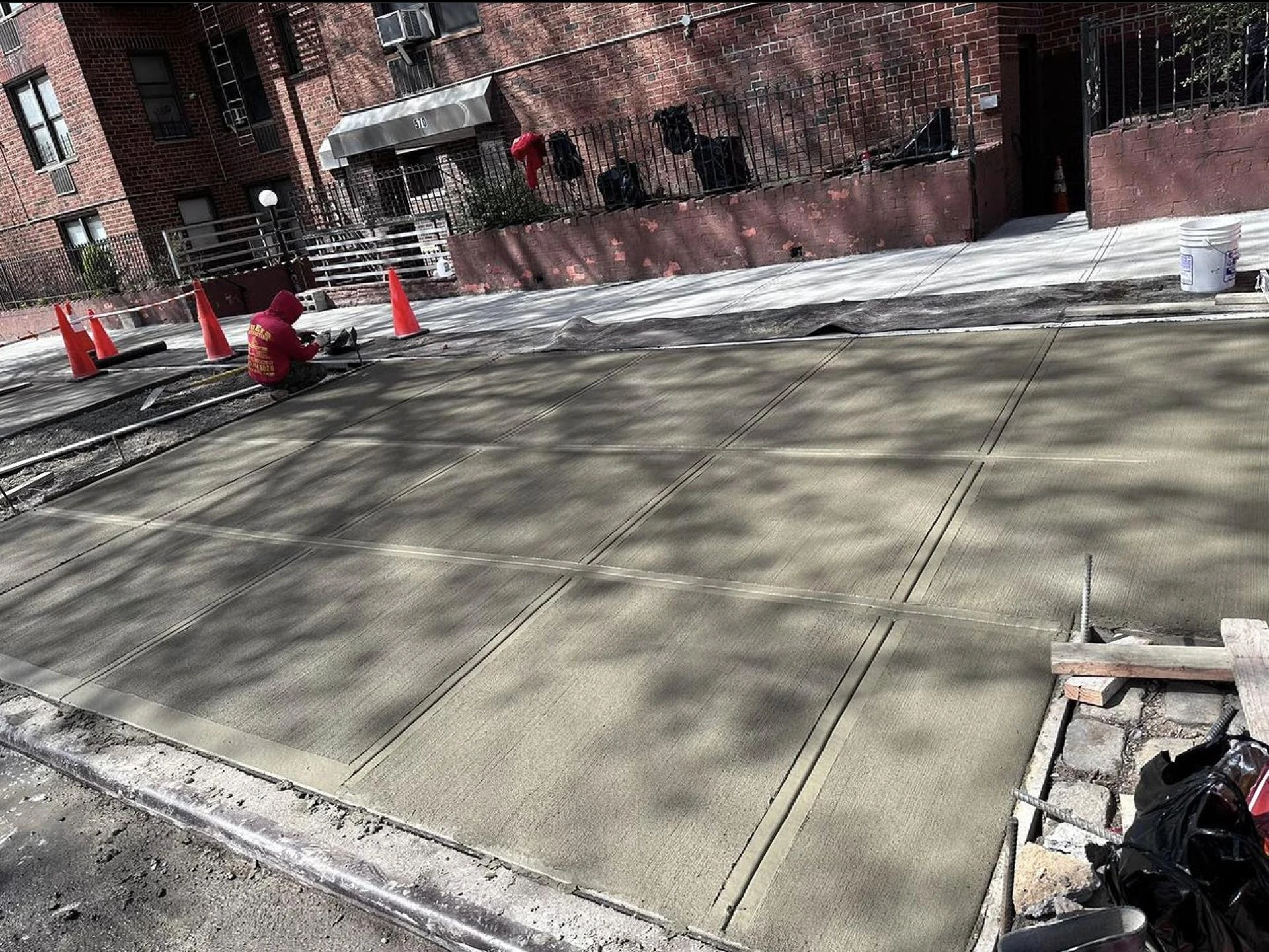
Even the best concrete repairs by concrete contractors Queens require ongoing maintenance to ensure longevity. Failing to monitor repaired areas, reapply protective coatings, or address new signs of deterioration can undo the benefits of the initial repair. Structural engineers recommend implementing a maintenance plan that includes regular inspections, cleaning, and preventive measures. This proactive approach not only extends the life of the repair but also helps identify emerging issues before they become expensive problems.
Conclusion
Concrete repair is not just a matter of filling cracks or resurfacing worn areas. It is a complex process that demands careful diagnosis, material compatibility, structural analysis, and skilled execution. Mistakes in any of these areas can lead to repairs that fail prematurely, compromise safety, and cost thousands of dollars to correct. By learning from the insights of structural engineers and adhering to best practices, property owners and contractors can ensure that their concrete repairs are durable, effective, and economically sound. In the end, investing in quality repair today can prevent costly disasters tomorrow. When cracks in your curb become cracks in your wallet, Nycsidewalkviolations.com is your first step to smooth solutions.









Sign in to leave a comment.