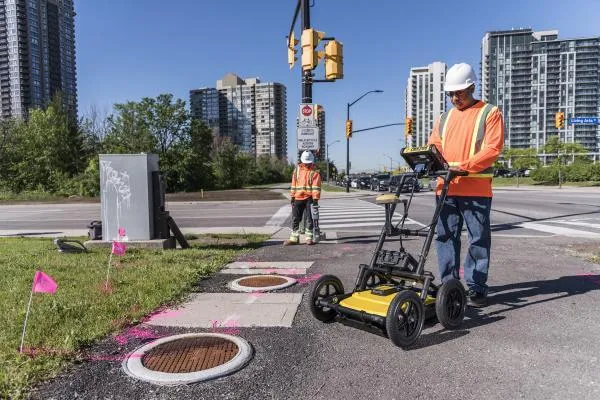


In modern construction, accuracy and safety are critical when working with concrete structures. Before drilling, cutting, or coring, it’s essential to know what lies beneath the surface. Two widely used technologies for this purpose are Concrete Scanning Services and Concrete X-Ray. While both methods help detect embedded objects, they differ in technology, application, and efficiency.
This blog explains the key differences between these two methods and helps you choose the right solution for your project.
What Are Concrete Scanning Services?
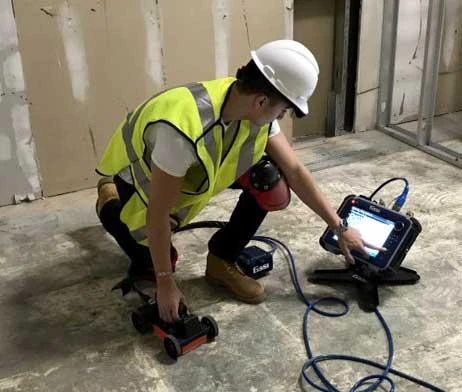
Concrete Scanning Services typically use Ground Penetrating Radar (GPR) technology to scan concrete and identify embedded objects. It is a non-destructive and highly efficient method that provides real-time results.
What It Detects:
- Rebar and mesh
- Post-tension cables
- Electrical conduits
- PVC and metal pipes
- Voids and inconsistencies
Key Advantages:
- Immediate on-site results
- Safe and non-invasive
- No harmful radiation
- Ideal for large areas
What Is Concrete X-Ray?
Concrete X-Ray uses radiographic imaging to capture detailed images of what’s inside the concrete. It involves the use of radiation to produce high-resolution visuals of embedded structures.
What It Detects:
- Rebar placement and spacing
- Conduits and pipes
- Structural defects
Key Advantages:
- Extremely detailed images
- High accuracy in complex structures
- Suitable for critical inspections
Key Differences Between Concrete Scanning and Concrete X-Ray
1. Technology Used
- Concrete Scanning Services: Use GPR (electromagnetic waves)
- Concrete X-Ray: Use radiation imaging
2. Safety
- Concrete Scanning: Completely safe with no radiation exposure
- Concrete X-Ray: Requires strict safety precautions due to radiation
3. Speed and Efficiency
- Concrete Scanning: Provides instant results on-site
- Concrete X-Ray: Takes more time for setup and image processing
4. Area Coverage
- Concrete Scanning: Ideal for scanning large areas quickly
- Concrete X-Ray: Better suited for smaller, specific sections
5. Accessibility
- Concrete Scanning: Can be done from one side of the structure
- Concrete X-Ray: Requires access to both sides of the concrete
6. Image Detail
- Concrete Scanning: Offers accurate but less detailed visuals
- Concrete X-Ray: Provides highly detailed images
When Should You Choose Concrete Scanning Services?
Choose Concrete Scanning Services when:
- You need quick results on-site
- You are working on large construction areas
- Safety is a top priority
- You want a cost-effective solution
When Should You Choose Concrete X-Ray?
Choose Concrete X-Ray when:
- You need highly detailed imaging
- The project involves critical structural analysis
- You can manage safety precautions and site restrictions
Which One Is Better?
There is no one-size-fits-all answer. Both technologies have their strengths. However, in most construction scenarios, Concrete Scanning Services using GPR are preferred due to their speed, safety, and efficiency. Concrete X-Ray is typically reserved for specialized situations where extreme detail is required.
Why Choose Safe Scanners?
Safe Scanners provides advanced Concrete Scanning Services and Concrete X-Ray Services tailored to meet the needs of modern construction projects. With experienced technicians and cutting-edge equipment, we ensure accurate detection, enhanced safety, and efficient project execution.
Conclusion
Understanding the difference between Concrete Scanning Services and Concrete X-Ray is essential for making the right decision for your project. While both methods help detect hidden elements, GPR scanning stands out for its speed and safety, while X-Ray excels in detailed imaging.
For most construction and renovation needs, investing in professional scanning services ensures your project stays safe, efficient, and free from costly mistakes.

























Sign in to leave a comment.