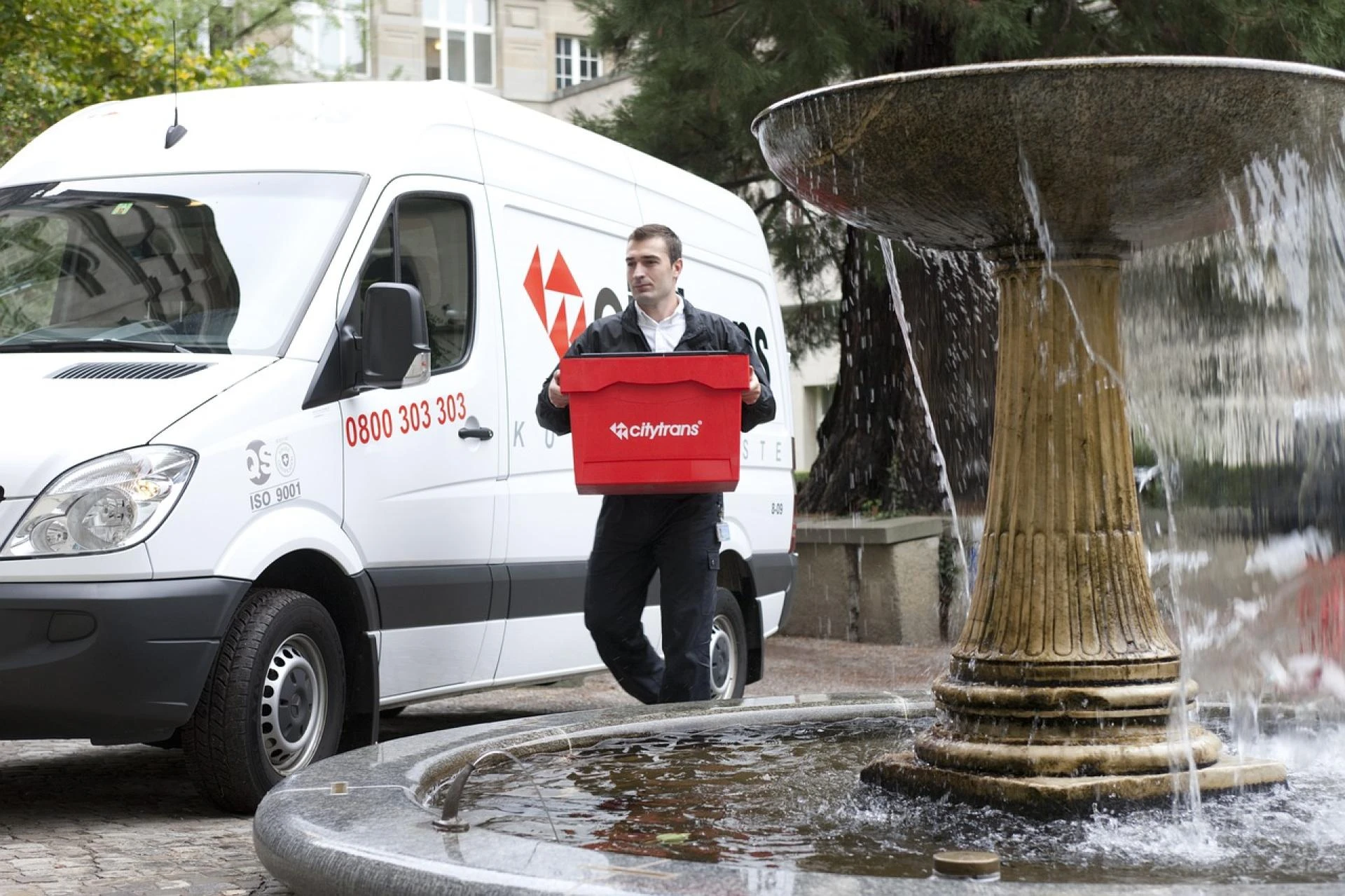

As we near 2025, one phenomenon that has dramatically transformed the retail landscape is the accelerated expectation for delivery speed. In recent years, consumers have shown a marked preference for immediacy — especially when it comes to receiving their online purchases. The rise of same-day delivery services has shifted consumer behaviour, moving the goalposts on what constitutes acceptable delivery times.
In this article, we will explore the changing expectations among consumers regarding delivery speed, backed by statistics and trends, and discuss how businesses can adapt to meet these rising demands.
A Shift In Consumer Behaviour
In an age where instant gratification is the norm, consumers are increasingly unwilling to wait days for their purchases to arrive.
For instance, according to a recent survey by Eversons, 83% of shoppers now expect same-day delivery, a figure that represents a significant jump from previous years. This expectation is particularly pronounced among younger demographics, with over 90% of Millennials and Generation Z respondents stating that they’re more likely to shop with a retailer that offers same-day or next-day delivery.
The COVID-19 pandemic further accelerated this trend, as online shopping became a necessity for millions of consumers worldwide. And even after we returned to normality, these behavioural changes persist. With the rise of e-commerce platforms like Amazon - which has optimised logistics and shipping systems to provide rapid delivery options - customers have come to expect not only fast but also flexible delivery solutions.
The Numbers Speak Volumes
Statistics illustrate the undeniable shift towards speed in delivery expectations. A 2022 report from McKinsey highlights that nearly 70% of consumers are willing to pay a premium for same-day delivery.
This willingness reflects a broader societal trend towards immediacy — not just in retail, but across various sectors, from food delivery to digital content consumption. Furthermore, the same report indicates that businesses offering same-day delivery experience nearly a 25% increase in customer loyalty compared to those with longer shipping times.
The implications for retail businesses are clear: if companies do not adapt to the increased consumer demand for rapid delivery, they risk losing market share to competitors who can meet those expectations.
The Demand For Faster Services
Recent studies indicate that the demand for faster delivery is not merely a passing trend but a significant shift in consumer priorities. In fact, research by the National Retail Federation (NRF) reveals that 66% of consumers believe that faster delivery options can enhance their overall shopping experience.
This growing preference for speed is increasingly prevalent in categories that traditionally encompassed longer delivery times. For instance, while consumers used to accept a 5-7 day wait for groceries, the rise of delivery services has prompted a massive pivot to demand quicker turnaround times.
Conversely, the consequences of failing to meet these delivery expectations are severe. A survey by UPS indicates that 37% of consumers would switch brands if their delivery expectations are not fulfilled. Consequently, businesses must rethink their logistics strategies and invest in more agile fulfilment systems to stay competitive.
How Businesses Can Adapt
Given these evolving consumer expectations, businesses must implement several strategies to remain relevant in the current landscape.
Here are some effective approaches:
1. Invest in Technology: The backbone of efficient delivery systems is technology. Retailers should consider adopting advanced inventory management systems, route optimisation software, and tracking technologies. These tools can enhance operational efficiency, streamline logistics, and manage inventory in real-time, ultimately facilitating quicker delivery.
2. Leverage Local Fulfilment Centres: Establishing local fulfilment centres is another strategy retailers can employ. By decentralising warehousing and deploying smaller facilities throughout urban areas, businesses can reduce shipping times dramatically. Targeted investment in such centres enables same-day delivery options on a broad scale.
3. Partner with Third-Party Logistics (3PL) Providers: Collaborating with 3PL providers can allow businesses to leverage existing logistics networks, enabling a broader range of delivery options without significant upfront investment. These partnerships can facilitate faster handling and shipping processes, ensuring customer orders are fulfilled swiftly, thus enhancing customer satisfaction.
4. Offer Flexible Delivery Options: Providing consumers with a variety of delivery options, including same-day delivery alongside standard options, allows customers to choose what best suits their needs. Businesses that communicate clarity about delivery timelines —whether standard or expedited — will foster consumer trust and loyalty.
5. Enhance Last-Mile Delivery Solutions: The ‘last mile’ of delivery is often the most challenging and expensive part of the logistics process. To streamline this segment, businesses can explore innovative solutions such as employing gig economy platforms or local couriers who can navigate urban areas more efficiently than traditional carriers.
Delivering Better Service
In 2025 and beyond, the expectation for same-day delivery is no longer a privilege but a fundamental requirement for many consumers. Businesses must adapt to this shift or face the risk of falling behind. By embracing technology, decentralising logistics, and providing various delivery options, retailers can remain competitive in an increasingly impatient marketplace.
Adapting to consumer preferences not only enhances customer satisfaction but can also lead to increased loyalty and higher profits in the long run. The mantra for retail in this new era is clear: speed matters, and those who can deliver quickly will undoubtedly lead the pack.
































Sign in to leave a comment.