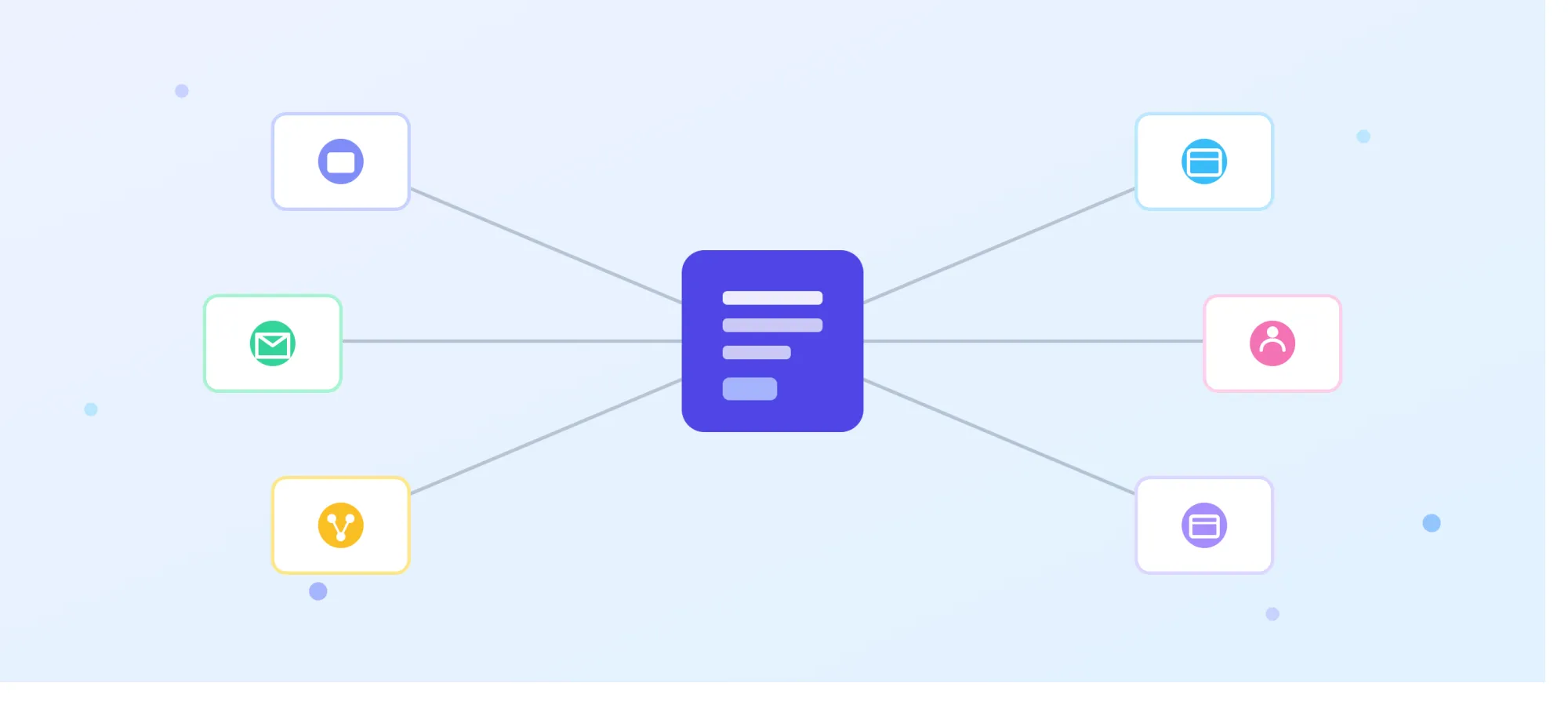

Every few years, someone declares content syndication dead. First it was "content shock," then it was ad fatigue, then it was AI-generated noise flooding every channel. And yet, B2B marketers keep coming back to it — because when it's done right, syndication still does something few other channels do: it puts your best content in front of people who are actively looking for a solution, on platforms they already trust.
So is content syndication still worth the budget in 2026? Short answer: yes, but the playbook has changed. Here's what's working now, what's not, and how to tell the difference.
What Content Syndication Actually Solves
Content syndication means distributing your existing content — whitepapers, case studies, eBooks, research reports — through third-party platforms and publisher networks to reach audiences beyond your owned channels. The appeal has always been reach: your content gets in front of readers who'd never find your blog organically.
But the real value in 2026 isn't reach alone — it's qualified reach. The publishers and networks that matter now are the ones that can match your content to a defined Ideal Customer Profile (ICP): specific industries, company sizes, job titles, and even the technology stack a prospect is already using. That shift from "spray and pray" distribution to intent-driven, ICP-matched syndication is what separates programs that generate pipeline from ones that just generate downloads.
Why It's Still Worth Doing
1. It reaches buyers earlier in the funnel, on their terms. Most B2B buyers do the bulk of their research before ever talking to sales. Syndicated content — especially educational assets like industry reports or benchmark studies — meets them during that research phase, when they're forming their shortlist rather than comparing final vendors.
2. It builds thought leadership at scale. A single well-produced whitepaper can be repurposed and distributed across dozens of channels, extending its shelf life far beyond a single blog post's organic traffic curve. Done consistently, this is how brands become the "known name" in a niche — a compounding advantage that pure paid search doesn't build.
3. It complements paid and organic, rather than competing with them. Syndication rarely works well in isolation. It performs best as one layer in a broader multi-channel marketing strategy, where a syndicated whitepaper download feeds an email nurture sequence, which is reinforced by retargeting ads and eventually a sales outreach touch. Each channel raises the ceiling on the others.
4. Cost-per-lead remains competitive versus other demand-gen channels. Compared to cold outbound or broad paid social, well-targeted syndication programs — particularly those priced on a CPL basis — tend to deliver a lower cost per qualified lead, because the platform is doing pre-filtering work based on your ICP before your content ever reaches a reader.
Where Syndication Falls Short (and How to Fix It)
The complaints about syndication in 2026 are mostly true — but they're symptoms of bad execution, not evidence the channel is broken.
- "The leads aren't qualified." This happens when campaigns are built around raw download volume instead of intent signals. The fix is targeting by firmographic and technographic data — industry, SIC/NAICS code, company size, and even the software tools a target account already uses — rather than generic demographic buckets.
- "Leads go cold before sales follows up." A downloaded whitepaper isn't a sales-ready lead; it's a signal. Programs that pair syndication with structured qualification — moving prospects from a content download to a BANT-qualified lead before handoff — see dramatically better conversion from lead to opportunity.
- "Our content gets buried on low-quality sites." Not all syndication networks are equal. Vetting placement quality, and syndicating through channels aligned with your actual audience (rather than the cheapest available network), matters more than total impression volume.
What's Changed Since 2023
A few shifts define the 2026 version of content syndication:
- AI-assisted content is everywhere, so differentiated, well-researched content converts better than generic thought leadership. Original data, proprietary benchmarks, and genuinely useful frameworks now outperform templated eBooks.
- Privacy regulation has tightened data usage. Programs relying on opt-in data and first-party signals — rather than scraped or purchased lists of dubious origin — are both more compliant and, generally, higher performing.
- Buying committees have grown. B2B purchases now often involve five or more stakeholders, so syndication strategies that can reach multiple personas within the same target account (not just one title) tend to produce more durable pipeline.
- Event and webinar syndication has grown alongside static content. Distributing registration campaigns for webinars and in-person events through the same intent-based networks has become a meaningful complement to whitepaper and case-study syndication.
A Simple Framework for Evaluating Your Syndication Program
Before scaling (or cutting) a syndication budget, ask:
- Is our targeting built on firmographic/technographic data, or just broad demographics?
- Do we have a defined qualification process between "downloaded content" and "sales-ready lead"?
- Is syndication integrated with our other channels, or running as an isolated, one-off campaign?
- Are we tracking cost per qualified lead — not just cost per download?
If the answer to any of these is "no," that's usually where the ROI is leaking — not in the channel itself.
The Bottom Line
Content syndication in 2026 isn't a "set it and forget it" tactic, and it was never meant to be a standalone strategy. But as part of a coordinated, data-driven lead generation approach — paired with proper qualification and integrated across content syndication, email, paid search, and social — it remains one of the more efficient ways to put high-value content in front of buyers who are actually in-market.


























Sign in to leave a comment.