Hospital readmissions remain a major concern in cardiovascular care. Patients who have recently been treated for arrhythmias, heart failure, or other cardiac events are particularly vulnerable in the weeks following discharge. During this period, subtle changes in heart rhythm or function may occur without immediate symptoms. If these early warning signs are not detected, they can progress into complications that require emergency intervention. Continuous cardiac monitoring programs are playing a growing role in addressing this challenge and supporting safer recovery at home.
From a third-party perspective, these programs represent a practical evolution in cardiac care that prioritizes prevention, continuity, and data-driven intervention.
The Readmission Problem in Cardiac Care
Cardiac patients often transition from intensive hospital observation to limited oversight once they return home. In the hospital, clinicians have access to continuous telemetry and close supervision. After discharge, monitoring typically depends on scheduled follow-up visits and patient self-reporting.
This abrupt shift can leave gaps in care. Symptoms such as mild dizziness, fatigue, or palpitations may go unreported until they worsen. Medication nonadherence or gradual rhythm changes can also contribute to deterioration. These factors increase the likelihood of preventable hospital readmissions.
Continuous cardiac monitoring programs are designed to close this gap by extending oversight beyond inpatient settings.
How Continuous Monitoring Programs Work
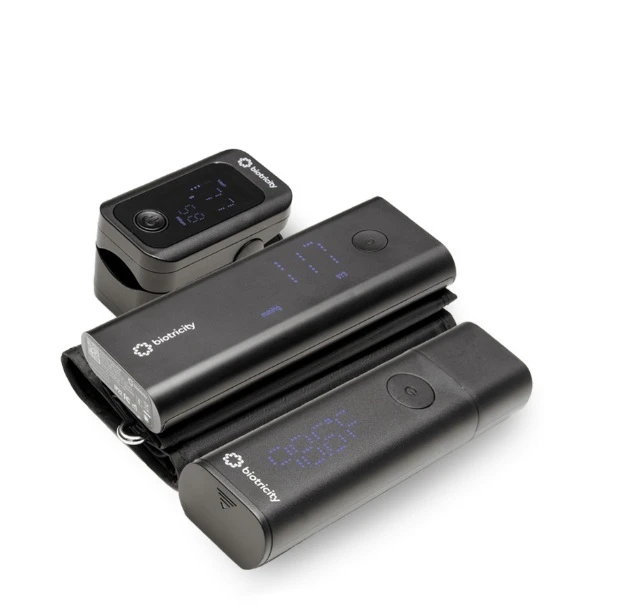
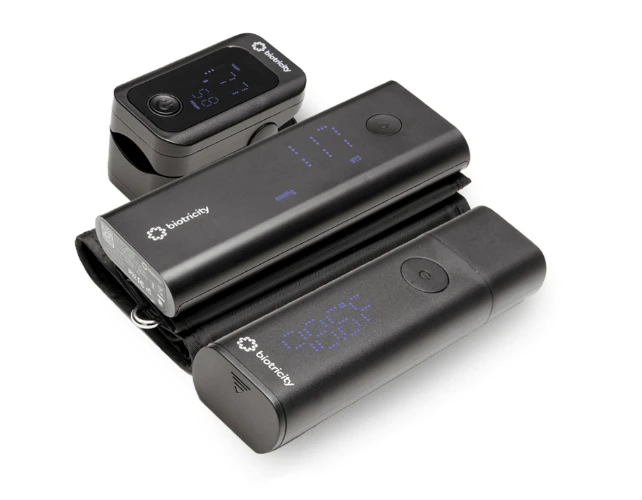
Continuous monitoring programs rely on wearable technology and integrated clinical platforms. A heart rhythm monitor device is worn by the patient during daily activities, capturing electrical signals and tracking cardiac patterns over extended periods. This data is transmitted securely to a centralized heart monitoring system where it can be reviewed by qualified professionals.
Rather than waiting for the next scheduled appointment, clinicians can evaluate trends and identify irregularities as they emerge. This extended oversight provides a safety net during the most vulnerable stages of recovery.
When concerning changes are detected, care teams can intervene quickly through medication adjustments, follow-up appointments, or additional diagnostic evaluation. Early response often prevents complications from escalating into emergencies.
Early Detection of Deterioration
One of the most important benefits of continuous cardiac monitoring is early detection. Heart rhythm disorders can fluctuate in frequency and severity. Episodes that appear minor at first may signal underlying instability.
By using a heart rhythm monitor device as part of a structured program, clinicians gain access to longitudinal data that highlights deviations from baseline patterns. Even subtle increases in arrhythmic episodes or conduction irregularities can prompt timely follow-up.
This proactive strategy reduces the likelihood that patients will deteriorate without clinical awareness. Preventing escalation is key to minimizing hospital readmissions.
Supporting Medication Management and Compliance
Medication adherence is another critical factor in preventing readmissions. Cardiac patients often require complex medication regimens that must be followed carefully. When monitoring data reflects changes in rhythm stability, clinicians can assess whether adjustments are needed.
Continuous data also encourages patient engagement. Knowing that heart activity is being observed consistently can promote adherence to medications, dietary recommendations, and activity guidelines. This alignment between monitoring and patient behavior contributes to improved outcomes.
From an independent standpoint, monitoring programs strengthen collaboration between patients and care teams.
Enhancing Recovery After Hospital Discharge
The weeks following discharge are often associated with anxiety and uncertainty for cardiac patients. Many worry about recognizing symptoms or knowing when to seek help. Continuous monitoring programs provide reassurance by maintaining structured oversight during this transition.
Patients benefit from extended observation without being confined to a clinical setting. At the same time, clinicians benefit from consistent access to meaningful data through a connected heart monitoring system.
This balance supports both safety and independence, which are essential for successful recovery.
Integration With Advanced Monitoring Platforms
Modern continuous monitoring programs are built around integrated digital platforms that streamline data transmission and clinical review. Companies such as Biotricity have developed solutions that combine wearable cardiac devices with cloud-based analytics to support efficient patient oversight.
From a third-party perspective, the value of such platforms lies in their ability to translate large volumes of cardiac data into actionable insight. Rather than overwhelming healthcare teams with raw information, structured monitoring systems prioritize clinically significant events and trends.
This efficiency enables care providers to manage larger patient populations without compromising quality.
Financial and System-Level Benefits
Reducing hospital readmissions carries significant benefits beyond individual patient outcomes. Readmissions contribute to higher healthcare costs, resource strain, and potential penalties under value-based care frameworks.
Continuous cardiac monitoring programs help mitigate these pressures by preventing avoidable admissions. Early detection of rhythm instability allows for timely outpatient management, which is often less intensive and less costly than inpatient treatment.
From a system perspective, this model supports sustainable and high-quality cardiac care delivery.
A More Proactive Model of Cardiac Care
Continuous monitoring programs represent a shift from reactive treatment to proactive management. Instead of responding to emergencies after they occur, clinicians can identify warning signs early and act decisively.
By leveraging a connected heart monitoring system and wearable heart rhythm monitor device, healthcare providers are strengthening the safety net for patients recovering from cardiac events or managing chronic conditions.
From a third-party standpoint, this approach improves both clinical outcomes and patient confidence. As adoption continues to grow, continuous cardiac monitoring programs are becoming a cornerstone strategy for reducing hospital readmissions and enhancing long-term heart health management.
























Sign in to leave a comment.