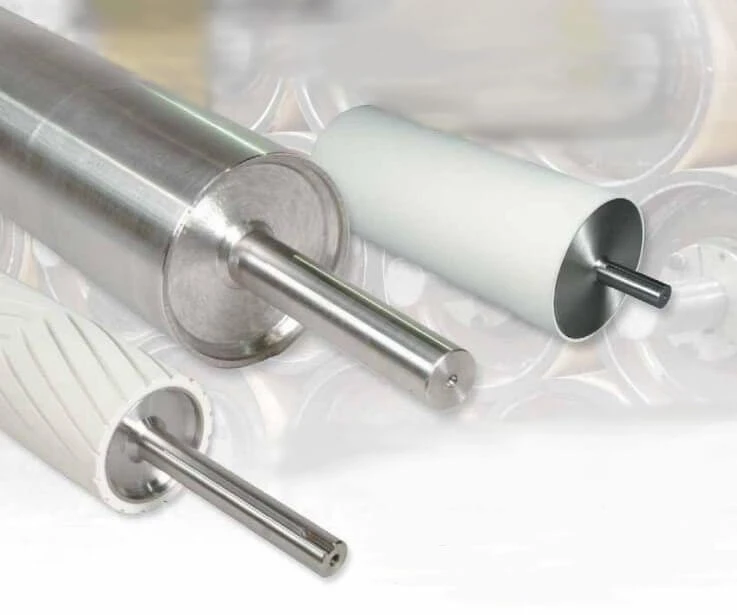

Conveyor systems keep warehouses, factories, and distribution centers moving. At the center of these systems are conveyor belt pulleys. They provide the force and direction that keep material moving smoothly along the line.
When facilities choose the wrong conveyor belt pulley, it often results in costly downtime and shortened equipment life. For businesses in Pennsylvania and across the U.S., understanding common pulley selection mistakes can prevent disruptions and extend system life.
Understanding the Role of Conveyor Pulleys
Conveyor pulleys guide and drive belts, support loads, and maintain stable motion. Incorrect choices in size, material, or configuration often lead to premature pulley failure, resulting in repairs and production delays.
Mistake 1: Undersizing the Shaft Diameter
A frequent error is selecting a shaft diameter that’s too small for the load demands. Shaft deflection, or bending under load, stresses pulley components and can lead to failure. Increasing the shaft diameter significantly improves stiffness, whereas stronger materials offer only minor gains, as elasticity remains unchanged.
Tips to avoid this:
- Calculate the shaft diameter based on belt tension, conveyor drum pulley weight, and product load.
- Follow relevant industry standards to limit bending stress.
- Consider a larger shaft diameter for longer duty cycles or heavy loads.
Mistake 2: Choosing Minimum Conveyor Pulley Diameters
Choosing the minimum conveyor pulley diameter as per the recommendations from belt manufacturers often leads to issues. Small drive pulleys usually require additional snub pulleys to maintain belt grip. However, placing them too close together reduces cleaning access and causes buildup. This limits access to cleaning devices and often causes buildup on pulleys, which degrades performance.
How to avoid it:
- Opt for pulley diameters larger than the minimum to provide adequate belt wrap.
- Ensure enough space around pulleys for cleaning and maintenance equipment.
- Select suitable pulley sizes that allow proper belt tracking and accessory installation.
Mistake 3: Neglecting Belt Wrap
The belt wrap is the area of contact between the belt and the pulley. Insufficient belt contact reduces efficiency and accelerates wear on both belts and pulleys. Friction only increases by enlarging this contact area, not changing materials.
Avoid belt slippage by:
- Increasing the arc of contact wherever possible.
- Using snub pulleys to improve belt wrap on drive pulleys.
- Choosing pulley lagging materials that enhance grip in specific environments.
Mistake 4: Overlooking Environmental and Load Conditions
It is essential to choose the appropriate pulleys if there is any exposure to moisture, dust, heavy impacts, or high temperatures. Using standard pulleys in harsh environments leads to rapid wear, corrosion, and failures.
Keep these points in mind:
- Select conveyor head pulley materials and coatings resistant to environmental stress.
- Choose drum-style pulleys with continuous contact for containing materials.
- Consider wing-style or self-cleaning pulleys in dusty or sticky applications.
Moving Forward with the Right Pulley Decisions
Selecting the correct conveyor belt pulley involves balancing factors such as size, material, environment, and maintenance requirements. Avoid common pitfalls such as undersized shafts, minimum pulley diameters, inadequate belt wrap, and environmental neglect.
Businesses across Pennsylvania and the U.S. can rely on Heinrich Brothers Inc. for durable conveyor pulley solutions tailored to industrial demands.










Sign in to leave a comment.