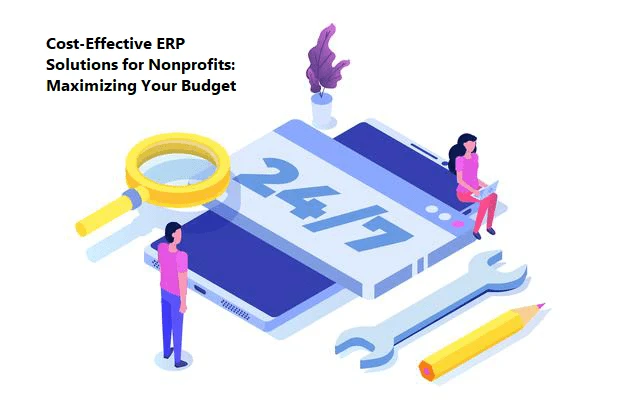

Nonprofit organizations, driven by their missions to create positive change, often operate on limited budgets. Implementing an Enterprise Resource Planning (ERP) system can seem like a daunting and costly task. However, with the right strategies and affordable ERP options, nonprofits can maximize their budget and harness the power of technology to streamline operations and improve efficiency. In this article, we will explore cost-effective ERP solutions and strategies tailored to nonprofit organizations.
Leverage Nonprofit-Specific ERP Solutions:One of the most effective ways to ensure cost-effectiveness in your ERP implementation is to opt for nonprofit-specific ERP solutions. These solutions are designed to cater to the unique needs and challenges faced by nonprofit organizations. They often come with reduced pricing structures and nonprofit-focused features, such as donor management, grant tracking, and fundraising support. Popular nonprofit ERP software options include NetSuite for Nonprofits, Salesforce Nonprofit Cloud, and Blackbaud's Raiser's Edge.
Open Source ERP Solutions:Consider open source ERP solutions as a budget-friendly alternative. Open source software is typically free to use and can be customized to suit your nonprofit's specific needs. Solutions like Odoo, ERPNext, and Dolibarr offer robust ERP functionalities and can be a cost-effective choice, particularly for smaller nonprofits. However, keep in mind that you may need to invest in development and customization services to tailor the software to your requirements.
Cloud-Based ERP Systems:Cloud-based ERP systems are becoming increasingly popular among nonprofits due to their affordability and scalability. With cloud-based solutions, there's no need for extensive hardware investments or IT infrastructure maintenance. You pay for what you use, making it a cost-effective choice for organizations of varying sizes. Microsoft Dynamics 365 Business Central, QuickBooks Online, and Zoho Books are examples of cloud-based ERP solutions that can suit nonprofit needs.
Prioritize Core Functionalities:When working with a limited budget, it's essential to prioritize core functionalities that align with your nonprofit's mission and immediate needs. Begin with the most critical ERP modules, such as financial management, donor management, and reporting. You can always expand and add additional features as your budget allows and as your organization grows.
Grants and Discounts:Many ERP vendors offer discounts or special pricing for nonprofit organizations. Be sure to inquire about nonprofit-specific pricing when evaluating ERP software options. Additionally, explore grants and funding opportunities provided by software vendors, foundations, or government programs that can offset the cost of your ERP implementation.
Consider a Phased Approach:Implementing an ERP system doesn't have to be an all-or-nothing endeavor. Consider a phased approach where you gradually roll out ERP modules over time. This approach can help distribute costs and reduce the strain on your budget. Start with the most critical modules and progressively add others as your organization's resources allow.
Employee Training and Support:Invest in employee training and support to maximize the value of your ERP system. Well-trained staff can efficiently use the software, reducing errors and improving productivity. Many ERP vendors offer training programs and resources to help nonprofits get the most out of their systems.
Regular Evaluation and Optimization:After implementing your ERP system, regularly evaluate its performance and consider optimization opportunities. Identify areas where the system can be more efficient, reduce redundancy, or align better with your evolving needs. This ongoing process can help you maximize the value of your ERP investment over time.
Conclusion
Implementing an ERP system can be a transformative step for nonprofit organizations looking to improve their operations and achieve their missions more effectively. While budget constraints are a common concern, nonprofits have access to a range of cost-effective ERP solutions and strategies. By leveraging nonprofit-specific ERP options, open source solutions, cloud-based systems, prioritizing core functionalities, seeking discounts and grants, adopting a phased approach, investing in training, and regularly optimizing the system, nonprofit organizations can harness the power of technology while staying within their budgetary constraints. In doing so, they can focus more resources on making a positive impact on their communities and causes.









Sign in to leave a comment.