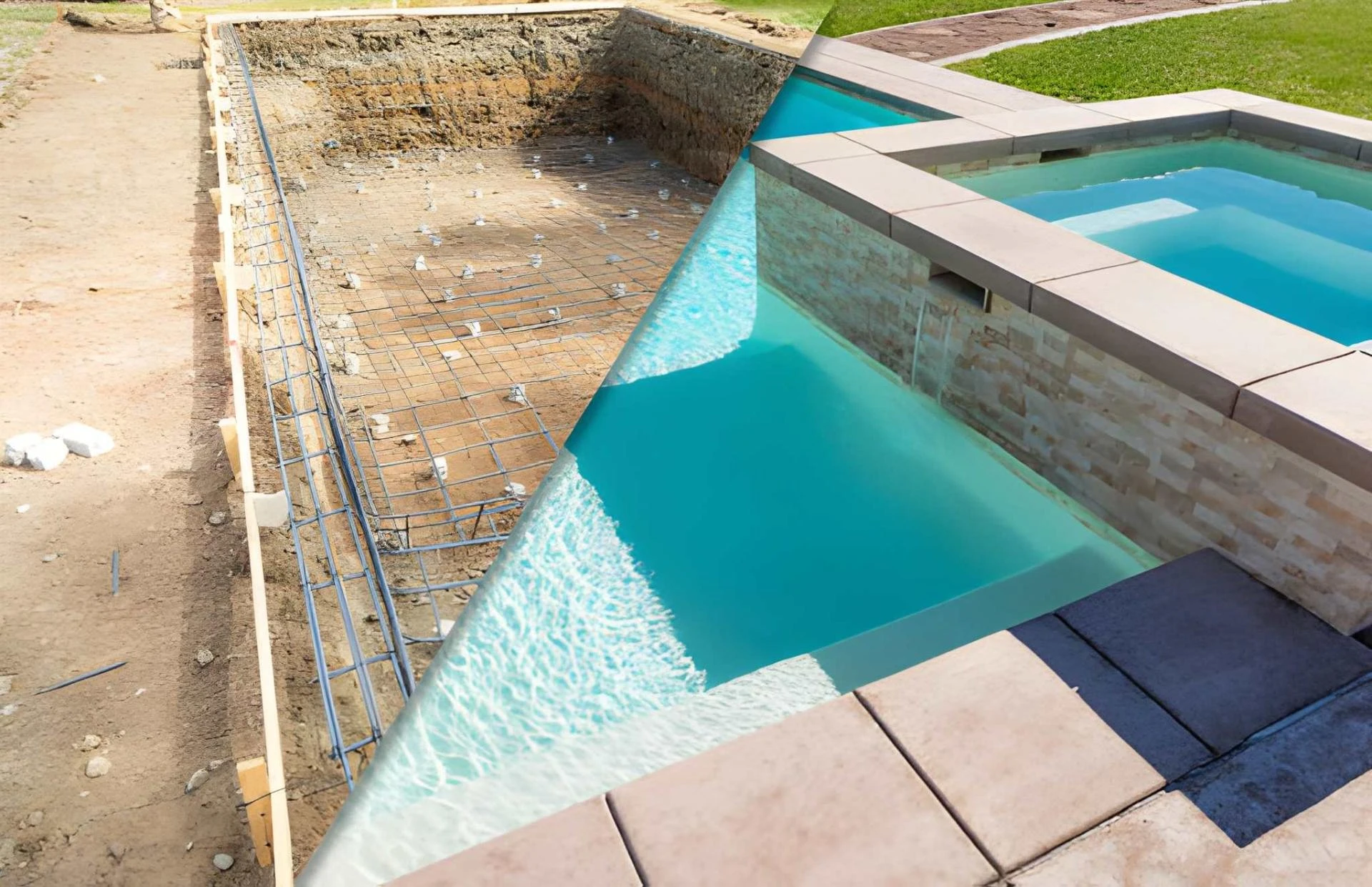
Building a swimming pool is one of the most exciting upgrades you can make to your home. It transforms your outdoor space, boosts your property value, and gives you a private spot to relax or entertain guests. But before you dive into the project, it’s important to understand the cost of swimming pool construction and what you can realistically expect during the process.
While many homeowners dream of a beautiful backyard pool, the actual cost depends on several factors from design and materials to size, location, and additional features. This guide breaks down everything you need to know before you build, so you can begin your project with confidence, clarity, and the right budget.
1. Understanding the Basics of Swimming Pool Construction Costs
The first step to estimating the total cost is understanding the different types of pools. Each type has its own price range and construction timeline.
a. Concrete (Gunite/Shotcrete) Pools
Concrete pools are known for durability and complete customization.
- Estimated cost: Usually the most expensive option.
- Why choose it: Ideal if you want a unique shape, custom depth, or luxury features.
b. Fiberglass Pools
Fiberglass pools come pre-made and are installed in the ground as a single piece.
- Estimated cost: More affordable than concrete, with a faster installation.
- Why choose it: Smooth finish, low maintenance, and quick setup.
c. Vinyl Liner Pools
These pools use a vinyl liner over steel or polymer frames.
- Estimated cost: The most budget-friendly.
- Why choose it: Great for homeowners who want a lower upfront cost, though liners need replacement every 7–10 years.
Understanding your preferred pool type is the foundation of planning a successful swimming pool construction project.
2. Key Factors That Influence the Total Cost
A lot more goes into building a pool than digging a hole and filling it with water. Below are the major elements that affect your overall cost:
a. Size & Shape of the Pool
Larger pools require more materials, more labor, and more time. Custom shapes also increase the price compared to standard rectangular designs.
b. Location of Your Property
Soil conditions, access for construction equipment, yard slope, and local regulations can affect pricing. Areas with restrictive building codes may require extra permits or engineering work.
c. Type of Materials Used
Tiles, coping stones, decking, and interior finish options all influence cost. Premium finishes like quartz or pebble coatings raise the price but add beauty and durability.
d. Additional Features
Most homeowners choose upgrades to enhance the pool experience. These additions can significantly raise your budget:
- Waterfalls or fountains
- LED lighting
- Heating systems
- Poolside decking
- Hot tubs or spas
- Automation systems
- Safety fencing
These features help create a luxurious experience but should be planned from the beginning to avoid surprises.
3. Hidden Costs You Should Know Before Starting
Many first-time pool owners overlook certain expenses during swimming pool construction, which can lead to budget overruns. Make sure you consider:
a. Permits and Approvals
Almost every city requires permits for pool construction. Fees vary based on location but should be included in your initial estimate.
b. Landscaping Adjustments
Your backyard layout may need changes to accommodate the pool, such as:
- Removing trees
- Leveling ground
- Installing retaining walls
These costs can add up quickly.
c. Utility Upgrades
Some homes require electrical or plumbing modifications to support pool equipment. This may include additional wiring, breakers, or drainage systems.
d. Long-term Maintenance Costs
Think beyond construction. Pools require:
- Chemicals
- Cleaning
- Regular servicing
- Electricity for pumps and heaters
Budgeting for maintenance ensures your pool stays in great condition year-round.
4. How to Budget for Your Swimming Pool Construction Project
To avoid unnecessary stress, planning your budget early is essential.
a. Get Multiple Quotes
Always request estimates from at least three reputable contractors. Compare cost breakdowns rather than just the final number.
b. Understand Inclusions & Exclusions
Many builders offer “base packages” that seem affordable but exclude essential items such as decking or lighting. Clarify every detail before signing a contract.
c. Set Aside a Contingency Fund
Unexpected challenges can arise during excavation or installation. A 10–15% contingency fund helps cover surprise expenses.
d. Plan Your Features Wisely
You don’t need every feature immediately. Some upgrades, like landscaping or lighting enhancements, can be added later when your budget allows.
5. The Value of a Well-Built Swimming Pool
While the cost of swimming pool construction can feel overwhelming, the long-term benefits often outweigh the investment. A professionally designed and built pool can:
- Increase your property value
- Transform your outdoor lifestyle
- Enhance family time and entertainment
- Improve health and fitness
- Add beauty and luxury to your home
A high-quality pool is not just a structure it’s an experience.
Final Thoughts
Before starting your project, take time to understand the full cost of swimming pool construction so you can prepare your budget and avoid unexpected hurdles. Evaluate the type of pool you want, research local regulations, and choose a reputable contractor who can guide you through the process with transparency.
With the right planning, your dream backyard oasis is well within reach.










Sign in to leave a comment.