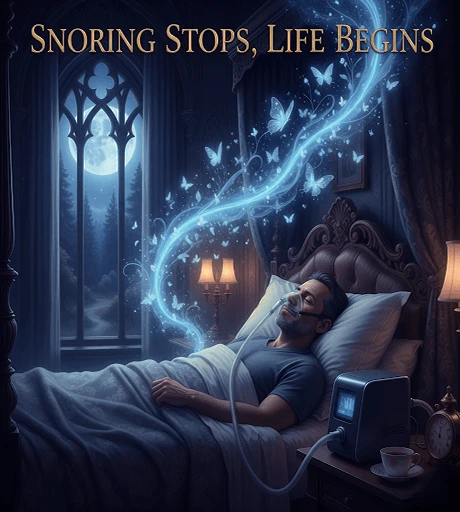
Loud snoring often disrupts peaceful nights. It is a very common sleep complaint. Many people think it is just annoying. Snoring can signal a serious health issue. Obstructive Sleep Apnea is one such condition. A CPAP machine provides an effective solution. This device brings quiet back to bedrooms. It helps thousands of people sleep better. This article explains how CPAP machines work. We will explore the science behind them. You will understand how it stops snoring.
The True Source of Snoring
Breathing seems like a simple, automatic process. Air enters through your nose or mouth. It travels down your pharynx and larynx. Then it goes into your windpipe. Finally, the air reaches your lungs. When you are awake, muscles stay active. They keep your airway firm and open. This allows for very easy breathing. You rarely think about this constant process.
Things change quite a bit during sleep. All of your body's muscles relax. This includes the muscles in your throat. The soft palate and uvula can relax. Your tongue can also fall backward. This relaxation narrows your upper airway. Air must squeeze through a smaller space. This creates turbulence in the airflow. The surrounding soft tissues begin to vibrate. This vibration produces the sound of snoring. The narrower the airway becomes, the louder.
Several factors can make snoring much worse. Gaining weight adds tissue to the neck. This extra tissue can narrow the airway. Alcohol consumption relaxes throat muscles even more. Sleeping on your back allows gravity's pull. Your tongue and soft tissues collapse backward. Aging also leads to less muscle tone. All these things contribute to snoring. For many, this is a minor issue. For others, it indicates something more.
A Sign of Something More: Sleep Apnea
Sometimes snoring is a major warning sign. It points to Obstructive Sleep Apnea (OSA). This is a common sleep breathing disorder. With OSA, the airway does not just narrow. It collapses completely for short periods. This blockage stops a person from breathing. These pauses in breathing are called apneas. They can last for ten seconds or more. The person is not aware of this.
During an apnea, oxygen levels drop. The brain senses this dangerous change. It sends a panic signal to the body. This signal forces a brief awakening. The awakening reopens the person's airway. Breathing resumes, often with a loud snort. The person then falls back asleep quickly. They usually do not remember these events. This cycle can repeat hundreds of times. It happens throughout the entire night. This severely fragments the quality of sleep.
Untreated sleep apnea carries significant health risks. The constant drops in oxygen stress the heart. It greatly increases your blood pressure. This raises the risk of heart attack. It also increases the risk of stroke. Chronic fatigue is another major symptom. Poor sleep leads to daytime sleepiness. This affects concentration, work, and driving. A proper diagnosis is very important. A doctor will recommend a sleep study. This test confirms the presence of OSA. It also determines its overall severity.
The Solution Arrives: The CPAP Machine
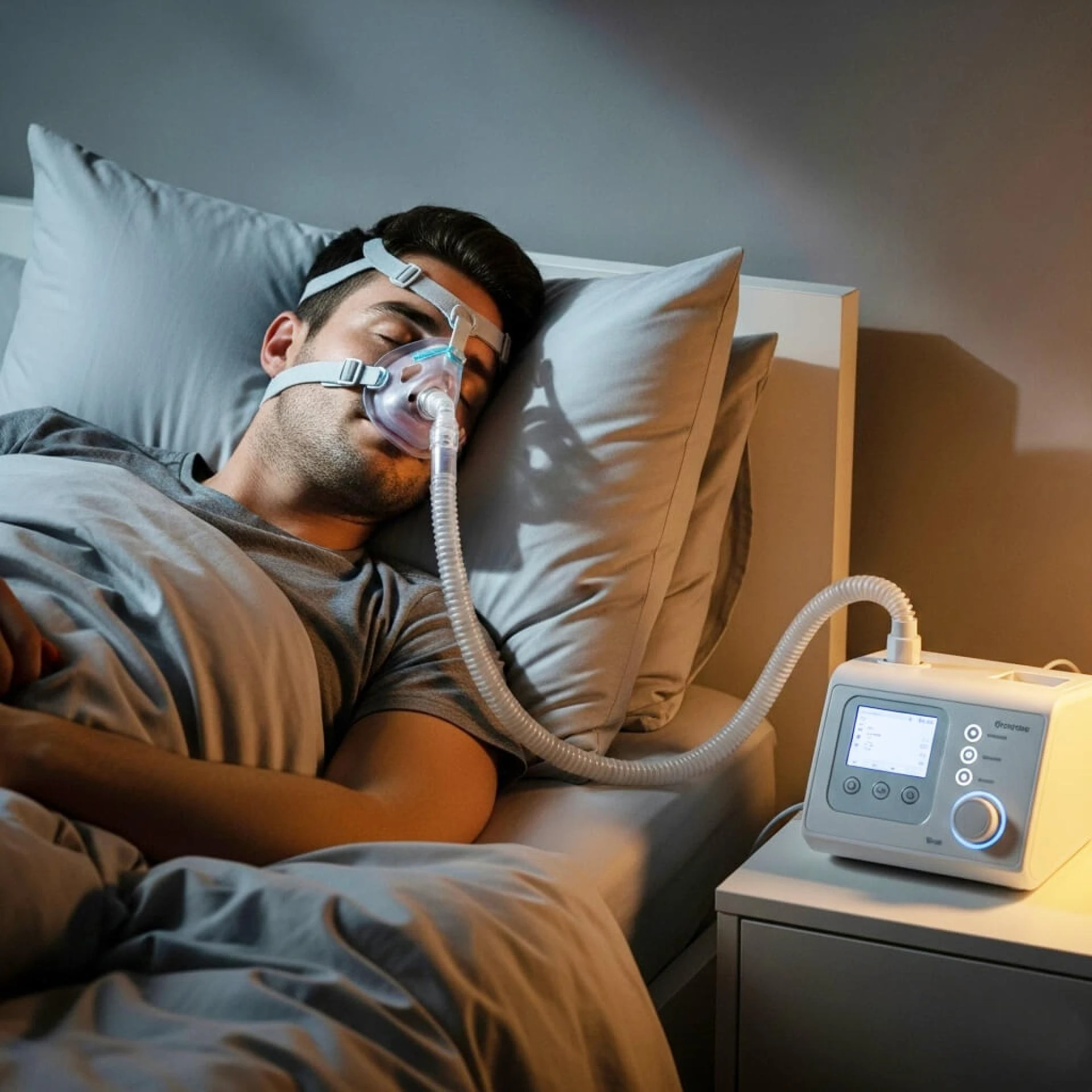
For OSA, there is a gold standard treatment. It is called Continuous Positive Airway Pressure. The therapy uses a special CPAP machine. This device is remarkably simple yet effective. It is a small box with a motor. The motor acts as a quiet air compressor. A flexible hose connects to this main unit. The hose then connects to a special mask. The user wears this mask during sleep. This whole system works together all night.
The name explains exactly what it does. It provides a constant flow of air. This air has a slightly higher pressure. It is not like a strong ventilator. The pressure is gentle and continuous. Different types of masks are available. Some masks only cover the nose. These are called nasal masks. Others fit gently into the nostrils. These small masks are nasal pillows. Full-face masks cover both nose and mouth. They help people who breathe through their mouths. Finding the right mask ensures comfort. It also makes the therapy more effective. A sleep specialist helps you choose one.
The Main Event: How CPAP Stops Snoring
The core function of a CPAP is elegant. It uses air as a medical tool. The machine draws in regular room air. An internal filter cleans this ambient air. It removes dust and other allergens. The motor then gently pressurizes the air. This pressurized air flows into the tube. It travels through the hose to the mask. The user breathes this air all night. This creates a cushion of positive pressure. This pressure exists throughout the upper airway.
This constant air pressure acts like a splint. It is often called a pneumatic splint. This air splint holds the airway open. It supports the soft tissues of the throat. It prevents the tongue from falling back. The soft palate cannot droop and vibrate. The walls of the throat cannot collapse. The airway remains clear and unobstructed. Air flows freely and quietly into the lungs. Breathing becomes stable and very consistent.
With an open airway, vibrations stop. The primary cause of snoring is eliminated. No vibration means there is no sound. The snoring simply vanishes almost immediately. This provides instant relief for the user. It also provides relief for their partner. Quiet is finally restored to the bedroom. More importantly, the therapy prevents apneas. The airway cannot collapse on itself. This means breathing never stops during sleep.
The body receives a steady supply of oxygen. Blood oxygen levels remain stable all night. The brain does not need to wake up. It does not send those panic signals. The person can finally achieve deep sleep. They can cycle through all sleep stages. This leads to truly restorative rest. The benefits are felt very quickly. People wake up feeling refreshed and energetic. Their daytime sleepiness begins to fade.
Getting Started on Your CPAP Journey
Beginning CPAP therapy requires a few steps. First, you must get a medical diagnosis. A sleep study is the standard method. This can be done in a sleep lab. Home sleep tests are also available now. The study measures your breathing patterns. It counts the number of apneas you have. It also tracks your blood oxygen levels. The results determine if you have OSA. They also show how severe it is.
Once diagnosed, you get a prescription. This prescription is for a CPAP machine. It specifies your required air pressure setting. A sleep technician sets the machine for you. The pressure is carefully calibrated. It must be strong enough to work. It must also be comfortable for you. The technician also helps you with masks. You will try different styles and sizes. Finding a comfortable, well-fitting mask is key. A good seal prevents air leaks. Leaks can reduce the therapy's effectiveness.
Modern CPAP machines have many comfort features. Many have a "ramp" function. This starts the pressure at a low level. It gradually increases to the set pressure. This helps you fall asleep more easily. Humidifiers are also a common feature. They add moisture to the pressurized air. This prevents your nose and throat from drying. Heated tubing can also prevent condensation. These features make CPAP more tolerable.
A New Chapter of Quiet Sleep
CPAP therapy transforms lives through simple physics. It uses pressurized air to open the throat. This prevents tissue vibration and airway collapse. As a result, snoring completely stops. Dangerous breathing pauses from sleep apnea end. The body gets the oxygen it needs. The brain gets the deep rest it requires. Sleep becomes restorative, not a nightly struggle.
The machine works to ensure quiet breathing. It restores health and improves daily life. It is the most effective snoring treatment. It is especially for snoring from OSA. The benefits extend beyond a quiet night. They include better heart health. They also include increased daytime alertness. If snoring is a problem for you, talk to a doctor. A CPAP machine might be your answer. It can bring you peaceful, silent nights.





















Sign in to leave a comment.