
First of all,
Humanity has been baffled by epilepsy, a neurological condition marked by frequent convulsions, for ages. Even with advances in medical research, there is still much to learn about the underlying causes of the condition and the lives of those who are impacted. The goal of this essay is to examine the intricacies of epilepsy, including its definition, causes, various forms of seizures, diagnosis, available treatments, and social ramifications.
Definition of Epilepsy:
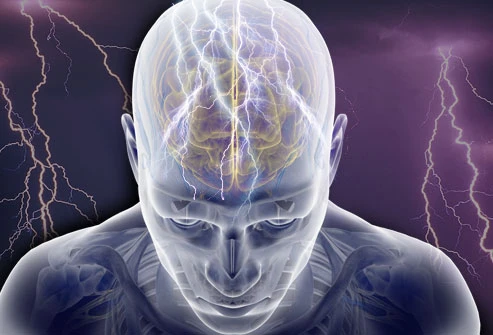
Epilepsy is a chronic neurological disorder characterized by erratic seizures that originate from aberrant brain electrical activity. Seizures can vary greatly in form and intensity, but they usually entail brief abnormalities in behavior, motor function, consciousness, or sensory perception. People of various ages, genders, and origins can be affected by epilepsy; 50 million people worldwide are estimated to have the disorder.
Causes of Epilepsy:
There are many different and complex reasons why people have epilepsy, making it difficult to classify them all. Certain genetic predispositions lead to an increased risk of seizures due to mutations in particular genes. Others are the outcome of brain structural anomalies that impair normal neural activity, such as tumors, strokes, or traumatic traumas. Epilepsy can also arise as a result of infections, birth traumas, developmental problems, and metabolic abnormalities.
Different varieties of seizures can occur, and each type has its own unique set of signs and symptoms. Seizures fall into one of two broad categories: focal (partial) or generalized. They can affect the entire cerebral cortex at once or only particular brain regions. Depending on the part of the brain involved, focal seizures might result in limited symptoms including twitching of the muscles, changes in consciousness, or sensory abnormalities. Contrarily, generalized seizures usually result in extensive neuronal discharges and may cause convulsions, unconsciousness, or mild behavioral abnormalities.
Diagnosis:
For epilepsy to be effectively managed and treated, an accurate diagnosis is necessary. When diagnosing patients who may be suffering seizures, doctors use a combination of neurological exams, diagnostic tests, and clinical histories. The brain\'s electrical activity is recorded by electroencephalography (EEG), which aids in identifying aberrant patterns suggestive of epilepsy. Imaging modalities including computed tomography (CT) scans and magnetic resonance imaging (MRI) help identify lesions or structural anomalies that might be causing seizures.
Options for Treatment:
Managing epilepsy frequently entails a customized strategy that takes into account each person\'s requirements and preferences. The mainstay of treatment is antiepileptic medications (AEDs), which attempt to reduce adverse effects while controlling seizures. Surgery might be an option for certain people, especially if the seizures are coming from specific, surgically accessible parts of the brain. Ketogenic diets, biofeedback, and vagus nerve stimulation are examples of alternative therapies that provide further options for patients who might not respond well to conventional treatments.
Recognizing the Social Impact:
Epilepsy affects persons in a big way on a social and psychological level in addition to its medical effects. Misconceptions and stigma around the illness continue to exist, which results in prejudice, social exclusion, and a lower standard of living. People with epilepsy may encounter difficulties getting access to healthcare, education, and transportation, as well as reduced employment options. In order to address these social issues, it is necessary to advocate for inclusive policies that uphold the rights and dignity of those with epilepsy as well as to increase understanding and acceptance of the condition.
Scientific and Future Directions:
Efforts to create novel therapeutic strategies and understand the underlying mechanisms of epilepsy are being made as part of ongoing scientific efforts to untangle the intricacies of the condition. Genetics, neuroimaging, and computational modeling advances point to the possibility of individualized treatment plans based on each patient\'s unique genetic makeup and seizure patterns. Furthermore, there is promise for improving the safety and well-being of epileptics through projects targeted at increasing seizure prediction and prevention.
In conclusion,
Epilepsy continues to be a complex neurological condition that affects people individually, in families, and in society at large. Through expanding our knowledge of its origins, symptoms, and available treatments, we might endeavor to solve the riddles surrounding this illness. By working together in research, teaching, and advocacy, we can create a more accepting and encouraging atmosphere that enables people with epilepsy to live happy, fulfilling lives free from prejudice and stigma. Let compassion and knowledge lead the way as we continue to solve the mysteries surrounding seizure disorders and work toward a more hopeful and inclusive future for all.











Sign in to leave a comment.