

Improving a smile has become far more approachable thanks to modern techniques and dependable dental guidance. Many people turn to a cosmetic dentist when they want their teeth to look brighter, calmer in shape, and more in harmony with their facial features.
This field blends dental skill, artistic judgement, and patient-focused care to deliver outcomes that look natural and feel comfortable.
Below is an in-depth look at what a cosmetic dentist does, how treatments work, and what people can expect when seeking care for aesthetic dental concerns.
What a Cosmetic Dentist Helps With
A cosmetic dentist focuses on improving the appearance of teeth, gums, and the overall smile. Though the aim is aesthetic improvement, these treatments often support better oral health by restoring damaged structures or correcting long-standing concerns.
Common reasons someone may seek this type of care include:
- Teeth that appear dull or stained
- Uneven edges or minor chips
- Gaps that make the smile feel out of balance
- Misshapen or short teeth
- Old restorations that no longer match
The goal is not perfection but improvement that feels authentic and suits the patient’s natural look.
Common Treatments a Cosmetic Dentist May Provide
Every smile has a different story, which is why treatment plans are often personal and thoughtfully crafted. Some of the treatments carried out by a cosmetic dentist include:
Teeth Whitening
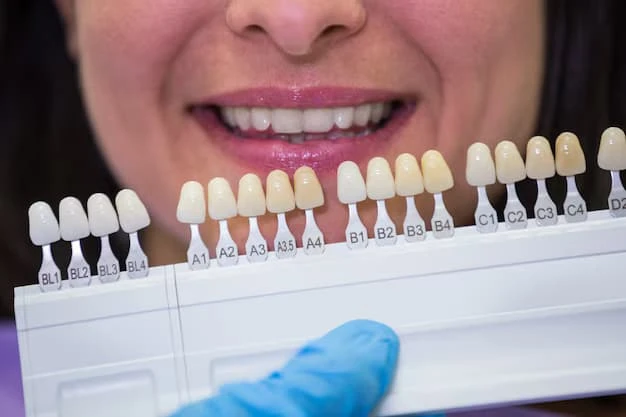
Whitening helps lift deep-set stains caused by tea, coffee, or everyday use. A cosmetic dentist uses controlled methods that protect the enamel while delivering even, dependable brightness. These treatments are often more consistent than shop-bought methods.
Composite Bonding
This technique involves shaping a strong tooth-coloured material on the surface of the tooth. It helps repair small chips, cover faint imperfections, or close tiny gaps. Bonding works well for people wanting quick, subtle improvement without invasive steps.
Veneers
Thin, custom-made shells can be fitted on the front teeth to correct shape, shade, or proportion. A cosmetic dentist ensures they match the patient’s natural features and bite. Veneers work for long-term enhancement but require careful planning and ongoing care.
Crowns
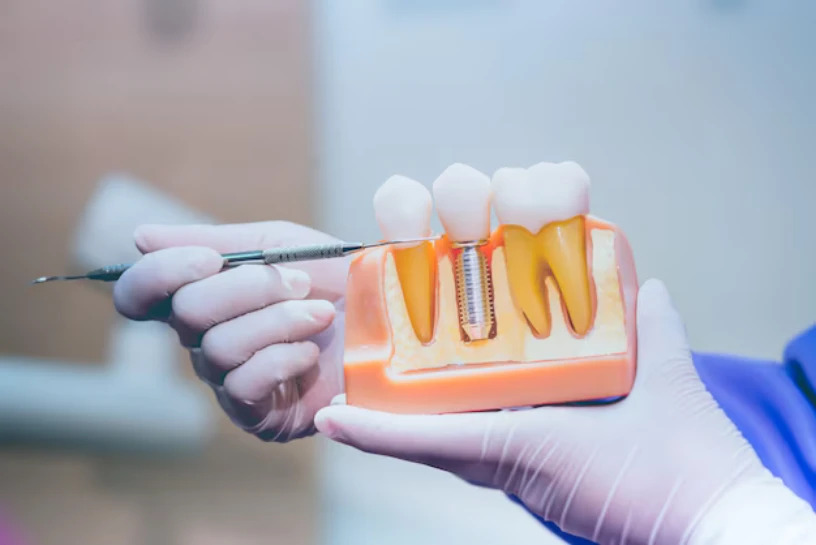
Crowns support teeth that have been weakened or heavily restored. Though often placed for function, many people choose natural-looking crowns for a blended, harmonious finish.
Teeth Alignment
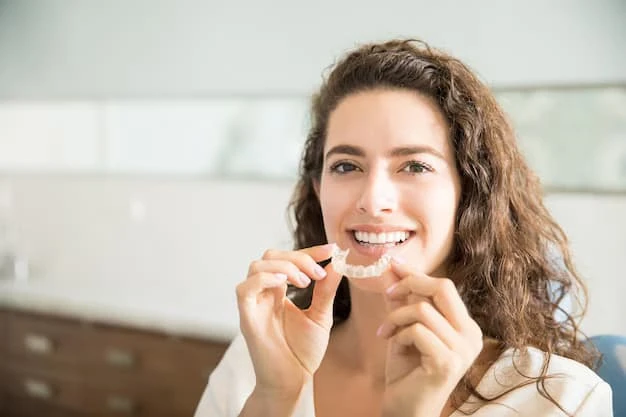
Clear aligners or traditional methods can bring teeth into proper position. A cosmetic dentist often works with alignment treatments to ensure the final smile looks even, comfortable, and well-shaped.
How a Cosmetic Dentist Plans Treatment
A strong treatment plan always begins with a thorough review of the patient’s oral health. The cosmetic dentist considers:
- The patient’s dental history
- Current gum and tooth condition
- Facial shape
- Bite movement
- Colour and natural structure of the teeth
Digital scans, clinical photographs, and study models help create a clear route forward. Unlike general dental treatment, cosmetic planning depends on a balance between medical skill and aesthetic sense.
This blend assures patients that treatment is safe, appropriate for their oral health, and aligned with their expectations.
The Importance of Trust and Communication
Creating a confident smile depends heavily on a clear, open conversation between the patient and the cosmetic dentist. Patients are encouraged to discuss their aims, lifestyle, and comfort level with different procedures. In return, the clinician explains what is realistic, what may take longer, and what steps are needed to maintain long-term results.
Trust is especially important because cosmetic treatments affect both appearance and daily comfort. When patients understand how each option works, they feel more empowered and informed in their choices.
Maintaining Results After Treatment
Once treatment is finished, long-term care ensures the improvements remain steady and natural. This often includes:
- Routine dental care
- Gentle brushing with a soft-bristle brush
- Limiting strong staining items like tea or coffee when possible
- Using retainers after alignment treatment
- Repairing small chips before they worsen
A cosmetic dentist provides tailored aftercare advice so patients can enjoy their new smile without worry.
Why People Value Cosmetic Dentistry
Choosing to see a cosmetic dentist is often about feeling comfortable and confident each time one smiles. For some, the change is subtle, a gentle lift in brightness or a smoother edge. For others, it means correcting long-term concerns that have affected self-esteem.
These treatments do not simply alter how a smile looks; they often improve how people carry themselves in personal, social, and work settings. When carried out with care and clear planning, cosmetic dentistry offers a result that looks natural and remains durable.
Experience and Assurance in Care
Patients benefit when they choose a clinician with clear training, safe methods, and an honest approach. Cosmetic dentistry requires attention to detail, patient understanding, and a steady commitment to well-planned outcomes. Ethical practice, solid qualification, and transparent communication all play an important role in delivering safe and dependable results.
A cosmetic dentist who follows these principles helps patients feel secure, well-informed, and confident in each step of their treatment journey.
Final Thoughts
A bright, natural-looking smile can influence comfort, confidence, and daily life. With thoughtful planning and open communication, a cosmetic dentist helps patients reach their aesthetic goals while supporting long-term oral health. The treatments are adaptable, safe, and suited to a wide range of needs, making cosmetic dentistry a valuable option for anyone hoping to refine or refresh their smile.




























Sign in to leave a comment.