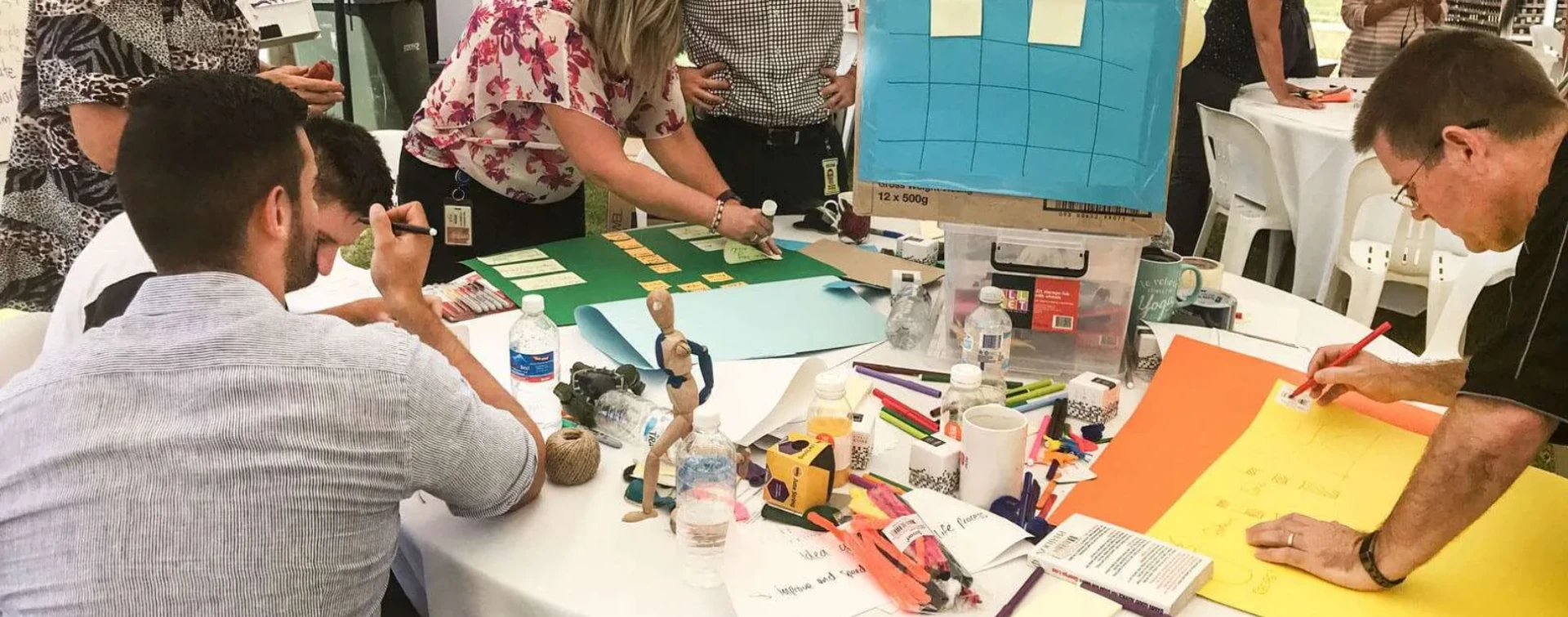

Creating a keynote that truly resonates goes far beyond delivering information—it requires intention, emotional connection, and a deep understanding of what inspires people to act. Today, audiences crave more than polished slides or rehearsed speeches. They want insight, energy, interaction, and a clear pathway to change. That’s why crafting memorable keynotes has become an essential skill for any speaker who aims to create lasting impact. As a design thinking keynote speaker, the role is to ignite imagination, encourage bold thinking, and spark real-world transformation through fresh perspectives.
Human-Centred Design as the Foundation for Powerful Keynote Experiences
The most memorable keynotes are built on principles of human-centred design—an approach commonly explored in a Design Thinking Workshop. Instead of filling time with data or theory, this method begins with empathy, understanding audience needs, and building content that speaks directly to real challenges and aspirations. When a speaker connects authentically to the emotional core of the audience, ideas become personal and actionable.
Design thinking is centred on five interconnected phases—Empathise, Define, Ideate, Prototype, and Test. Adapting these phases within keynote structure turns a presentation into a journey. It moves the audience from awareness to possibility, from concept to experience, and from inspiration to implementation.
Structuring Keynotes with Purpose and Engagement
Lead with Empathy and Connection
Start by recognising what the audience values, fears, or hopes for. This first step establishes trust and makes them feel understood.
Define the Opportunity for Change
Present a clear, compelling problem or question. When people see the relevance, attention naturally sharpens and curiosity increases.
Open Up Creative Exploration
Encourage the audience to think differently. Ask powerful questions, include short reflection moments, or allow space for ideas to emerge.
Prototype Through Storytelling
Stories act like prototypes—they make ideas tangible and relatable. Sharing lived experiences, examples of innovation, or transformation journeys brings abstract concepts to life.
Finish with Action
Successful keynotes leave audiences motivated and equipped. Offer simple steps or challenges that can be immediately applied to real-world scenarios.
Mindset Shifts That Make Keynotes Stick
Principles taught in a design thinking course highlight that innovation begins with mindset. Encouraging behaviour changes such as replacing “Yes, but…” with “Yes, and…”, embracing experimentation, and silencing the internal voice that doubts creativity helps unlock possibility. When a keynote integrates these practical shifts, it creates cultural momentum rather than temporary excitement.
Why Interaction Matters More Than Information
People learn better when they participate, rather than listen passively. Adding hands-on moments—quick brainstorming, pair dialogue, group insight sharing or personal reflection—transforms a keynote into an immersive learning experience. Interaction increases memory, strengthens emotional impact, and turns audiences from observers into contributors.
Customisation: The Key to Relevance
Every audience has different priorities. Tailoring the content, examples, and tone ensures the message feels uniquely designed for them. The more relevant the keynote feels, the more powerful the result.
Conclusion
Crafting memorable keynotes is about designing an experience that moves people—from comfort to curiosity, from limitation to possibility, and from listening to doing. When empathy, creativity, storytelling and interaction work together, keynotes become catalysts for meaningful change rather than temporary inspiration.




























Sign in to leave a comment.