

When it comes to moving heavy, oversized, or awkward loads, choosing the right transport method can make a significant difference in cost, safety, and efficiency. Two common options are crane truck delivery and traditional transport. While both serve important purposes, they are designed for very different project needs. Let’s break down the key differences to help you decide which solution works best for your project.
Understanding Traditional Transport
Traditional transport typically involves flatbed trucks, trailers, or standard delivery vehicles. These are ideal for moving goods from one location to another when loading and unloading can be handled manually or with on-site equipment like forklifts.
This method works well for:
- Palletized goods
- Smaller construction materials
- Deliveries to sites with existing lifting equipment
However, traditional transport has limitations. If the site lacks cranes or forklifts, additional machinery must be rented, increasing both cost and coordination time. Manual unloading can also raise safety risks, especially with heavy or bulky materials.
What Is Crane Truck Delivery?
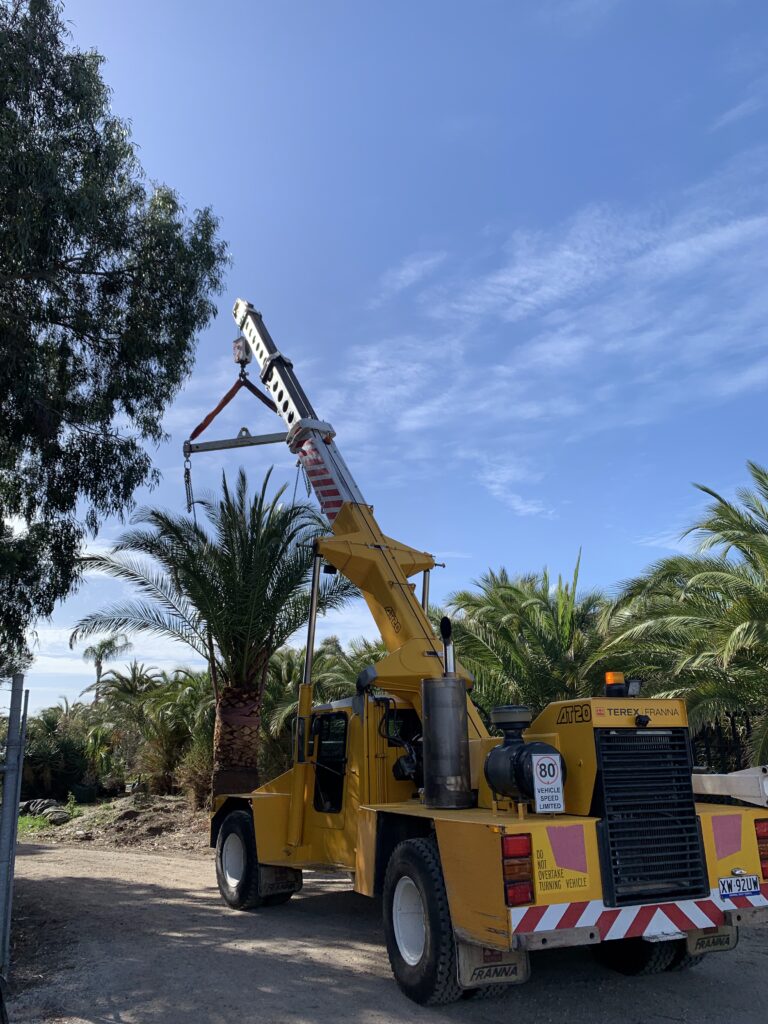
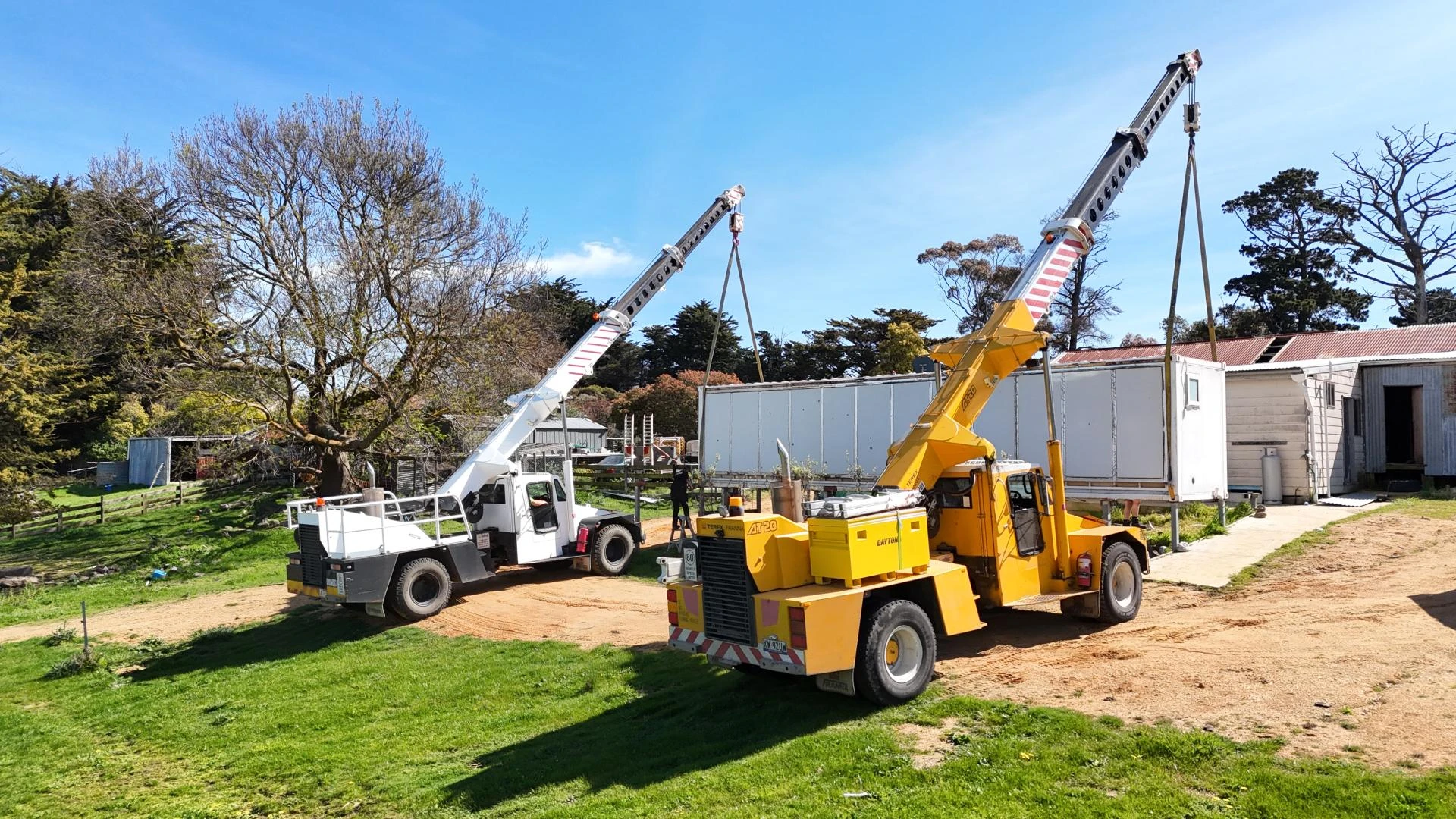
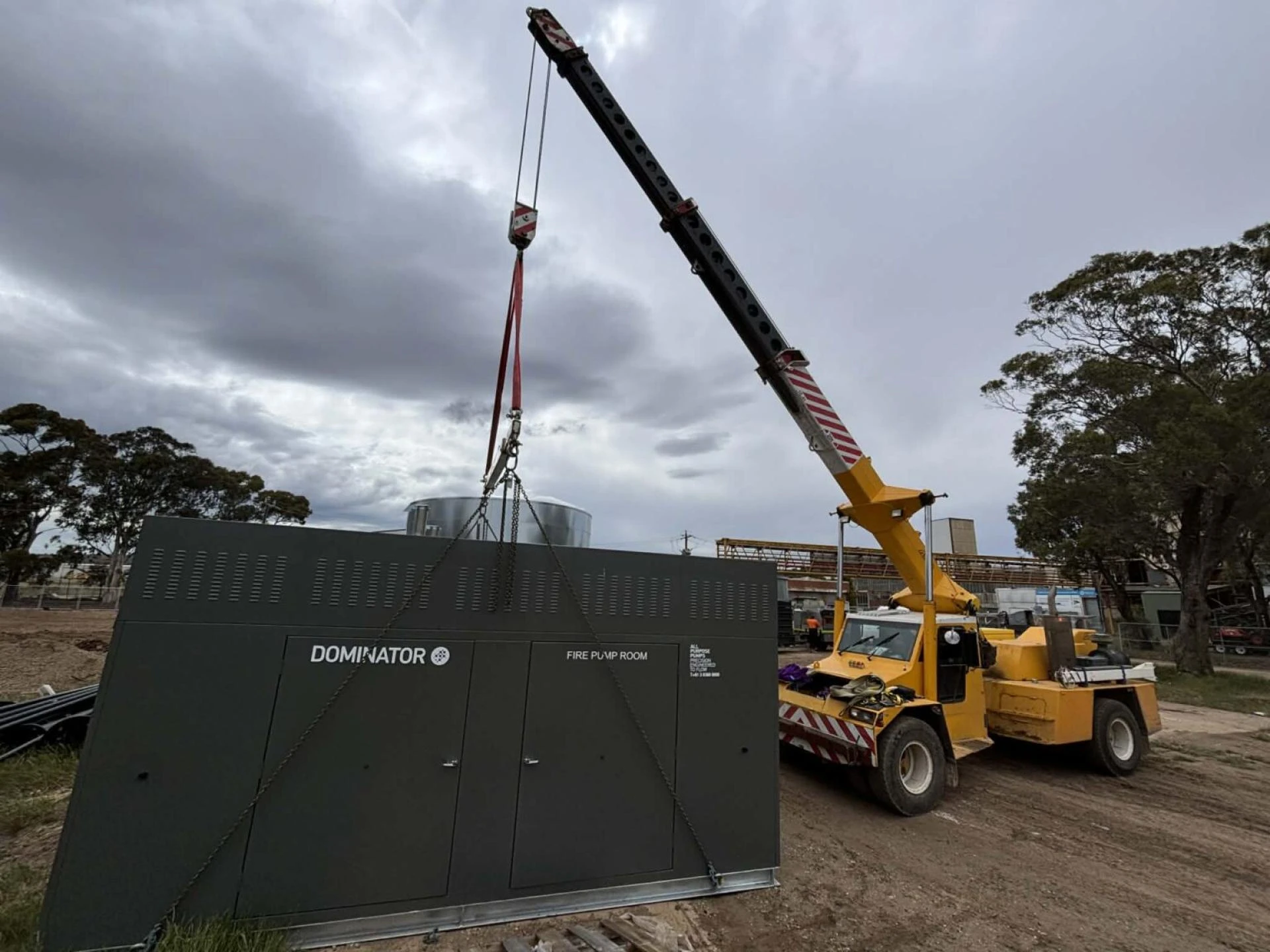
Crane truck delivery combines transportation and lifting into one seamless service. A crane mounted on the truck allows operators to lift, position, and place materials exactly where they are needed—without extra equipment.
Crane truck delivery is commonly used for:
- Steel beams and construction materials
- Precast concrete, containers, and generators
- HVAC units, machinery, and oversized loads
This approach is especially valuable on tight or remote sites where access and space are limited.
Key Differences Between Crane Truck Delivery and Traditional Transport
1. Efficiency and Time Savings
Traditional transport often requires multiple steps—delivery, equipment setup, and unloading. Crane truck delivery simplifies the process by completing transport and placement in one operation, reducing downtime and speeding up projects.
2. Safety
Manual handling or multiple machines increase the risk of accidents. Crane truck delivery is operated by trained professionals using specialized equipment, minimizing hazards and ensuring precise load placement.
3. Cost Considerations
While traditional transport may seem cheaper upfront, added costs like equipment rentals, extra labor, and delays can quickly add up. Crane truck delivery often proves more cost-effective by eliminating these additional expenses.
4. Precision and Placement
Traditional transport typically drops materials at ground level. Crane truck delivery allows for accurate placement on rooftops, upper floors, or confined spaces—saving time and reducing rehandling.
5. Site Accessibility
Not all sites are easy to navigate. Crane trucks are designed to operate efficiently in restricted or challenging environments, making them ideal for urban or compact job sites.
Which Option Is Right for Your Project?
If your project involves lightweight materials and easy access to unloading equipment, traditional transport may be sufficient. However, for heavy, oversized, or high-risk loads, crane truck delivery offers unmatched convenience, safety, and efficiency.
Construction companies, contractors, and industrial operators increasingly prefer crane truck delivery because it reduces logistical complexity and keeps projects on schedule.
Final Thoughts
Understanding the difference between crane truck delivery and traditional transport can help you make smarter logistical decisions. By choosing the right method, you can improve safety, reduce costs, and ensure smoother operations from start to finish. For reliable, professional crane truck delivery that maximizes efficiency and precision, trust Crane2u to handle your lifting and transport needs with expertise.
FAQs
1. Is crane truck delivery more expensive than traditional transport?
Not necessarily. While the initial cost may be higher, crane truck delivery often saves money by eliminating the need for extra equipment, labor, and multiple handling steps.
2. Can crane truck delivery be used for small projects?
Yes. Crane truck delivery is suitable for both small and large projects, especially when precise placement or limited site access is required.
3. What industries benefit most from crane truck delivery?
Construction, manufacturing, HVAC, logistics, and infrastructure projects benefit greatly due to the need for safe lifting and accurate placement of heavy materials.
Sign in to leave a comment.