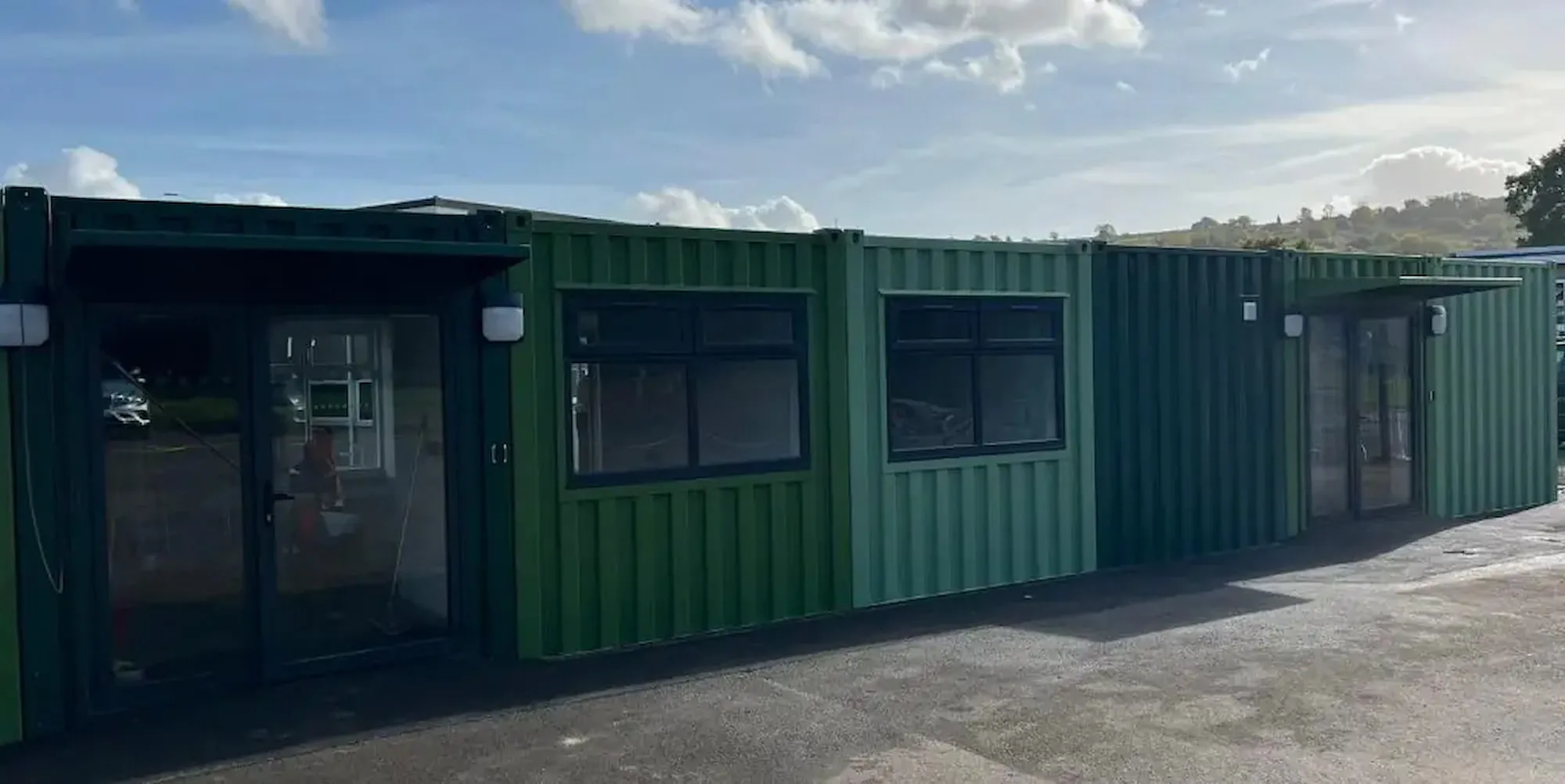

Educational environments need to respond to changing student numbers, evolving teaching methods, refurbishment projects, and increasing demands for specialist facilities. Schools often require additional accommodation without committing immediately to extensive permanent construction. Flexible educational buildings can provide practical space while allowing institutions to manage changing requirements more effectively. Mobile classrooms offer an adaptable approach to creating additional learning environments, with layouts and facilities that can be developed around specific educational needs. From general teaching rooms to specialist spaces, these buildings can support schools seeking practical accommodation that fits changing operational and learning requirements.
Understanding Adaptable Educational Accommodation
Adaptable educational accommodation provides schools with additional space that can respond to immediate and future requirements. Student enrolment can change from year to year, while existing classrooms may become unavailable during refurbishment or maintenance work. Additional accommodation can help schools continue normal activities without placing excessive pressure on existing facilities. A well planned mobile classroom can include suitable lighting, heating, ventilation, electrical systems, storage, and teaching areas. This combination creates an environment that can support regular lessons while allowing the school to respond to changes in its accommodation requirements.
Responding to Changing Student Numbers
Changes in enrolment can create significant pressure on classroom availability. When existing teaching rooms reach capacity, additional accommodation may be needed to maintain suitable learning environments. Mobile classrooms can provide extra teaching space without requiring a permanent extension to be completed first. They can accommodate general lessons, smaller learning groups, or additional educational activities depending on their internal configuration. This flexibility can help schools respond to changing student populations while giving management teams more time to consider longer term accommodation strategies and future development plans.
Designing Flexible Classroom Environments
The internal design of an educational building can influence how effectively students and teachers use the available space. Classroom layouts should provide sufficient room for desks, chairs, teaching equipment, storage, and movement. Flexible furniture arrangements can allow teachers to change the room according to different lesson formats. Natural lighting, suitable artificial lighting, heating, and ventilation can contribute to comfortable conditions. Technology infrastructure can also support digital learning and presentations. Considering these features together allows schools to create classrooms that are practical, comfortable, and capable of supporting different teaching approaches.
Creating Adaptable Layouts
Different lessons can require different classroom arrangements. Individual study may require desks to be separated, while group activities may benefit from collaborative table arrangements. Practical lessons can also require additional floor space for equipment and demonstrations. Flexible furniture allows teachers to adjust the classroom according to the activity taking place. Storage can be positioned carefully to keep teaching materials accessible without reducing usable floor area. An adaptable layout can allow one classroom to support several educational functions, helping schools maximise the value of additional accommodation.
Incorporating Effective Storage
Storage can play an important role in maintaining an organised classroom. Educational resources, books, stationery, equipment, and student materials can quickly occupy valuable working space if storage is insufficient. Built in cupboards, shelving, cabinets, and other solutions can provide dedicated areas for different resources. Frequently used items can remain accessible, while less frequently required equipment can be stored away. Effective storage planning can help maintain clear circulation areas and reduce classroom clutter, creating a more organised environment for both teachers and students.
Supporting Comfortable Learning Conditions
Comfort can affect how effectively students and teachers use an educational space throughout the day. Insulation can help regulate internal temperatures, while suitable heating can provide warmth during colder periods. Ventilation can support air circulation, and appropriate lighting can improve visibility for reading, writing, computer work, and presentations. Natural light can also make classrooms feel more open and welcoming. Flooring and internal finishes can influence both appearance and practical use. By considering these factors during the design stage, schools can create accommodation suitable for regular educational activities.
Managing Heating and Insulation
Temperature management is an important consideration for classrooms used throughout different seasons. Suitable insulation can help reduce heat transfer and support more consistent internal conditions. Heating systems can then provide additional warmth when required. The appropriate specification will depend on factors such as building size, occupancy, location, and expected usage. Regular maintenance can help ensure that heating equipment continues to operate effectively. Combining insulation with appropriate heating and ventilation can support a more comfortable classroom environment for students and staff throughout the academic year.
Supporting Effective Ventilation
Ventilation is particularly important in classrooms where multiple students and teachers may occupy the same room for extended periods. Effective air circulation can contribute to comfortable internal conditions and support a suitable learning environment. Ventilation requirements depend on factors such as occupancy, room dimensions, building design, and intended use. Schools should consider ventilation alongside heating and insulation when planning accommodation. Regular inspection and maintenance can help ensure that ventilation systems continue to function as intended, supporting a classroom environment that remains suitable for daily educational activities.
Integrating Modern Technology
Technology is increasingly incorporated into teaching, making reliable electrical and communication infrastructure an important part of classroom planning. Computers, interactive displays, projectors, charging equipment, and other devices require suitable power connections. Internet access can support digital resources, educational platforms, online research, and interactive teaching activities. Electrical and data connections should be considered alongside furniture placement so that equipment can be positioned conveniently. Planning for future technology can also help the classroom remain adaptable. A suitable infrastructure can support current educational practices while allowing the room to accommodate developing digital requirements.
Planning Electrical Infrastructure
Electrical outlets should be positioned according to the classroom's intended layout and equipment requirements. Teaching areas may require connections for displays and presentation equipment, while student areas may need accessible power for approved devices. Additional capacity can provide flexibility when new equipment is introduced. Cable management should also be considered to reduce trip hazards and maintain an organised appearance. Planning these details before installation can help schools avoid disruptive alterations later. A carefully designed electrical system can provide the reliable infrastructure required for modern teaching and learning activities.
Supporting School Refurbishment Projects
Refurbishment projects can temporarily reduce the amount of usable classroom space available to a school. Additional accommodation can provide alternative teaching areas while construction work takes place within existing buildings. Students and teachers can move into the additional classrooms, allowing refurbishment work to continue with less disruption to normal lessons. Mobile classrooms can also provide temporary offices, staff rooms, storage facilities, or specialist spaces depending on the requirements of the project. Careful planning can help schools maintain educational continuity while improvements are made to their permanent facilities.
Maintaining Continuity During Construction
Construction activity can create noise, restricted access, and temporary changes to established school routines. Providing dedicated alternative classrooms can help separate teaching activities from construction areas. Furniture, educational resources, and technology can be transferred into the additional accommodation before lessons begin. Clear access routes can also help students and staff move safely between different areas of the school. With suitable planning, temporary accommodation can allow teaching to continue while refurbishment progresses, helping schools manage short term disruption without abandoning important educational activities.
Supporting Specialist Educational Activities
Not every educational activity can be accommodated comfortably within a standard classroom. Schools may need dedicated areas for art, technology, music, science related activities, or additional learning support. Flexible accommodation can be designed around specific requirements, including suitable flooring, electrical capacity, storage, ventilation, and internal layouts. Identifying the intended purpose before specifying the building can help ensure that important features are incorporated. Specialist accommodation can provide additional flexibility and allow existing classrooms to remain available for their primary teaching functions.
Creating Multi Purpose Learning Areas
A classroom that can support several activities can provide greater flexibility for schools. Movable furniture, adaptable storage, suitable power connections, and open floor areas can make it easier to change the room between different uses. The same space might support standard lessons during one period and group activities or additional learning sessions later. This approach can help schools maximise available accommodation without requiring separate rooms for every activity. Careful planning can ensure that flexibility does not compromise comfort, accessibility, safety, or the practical needs of teachers and students.
Making Efficient Use of School Grounds
Introducing additional educational accommodation requires careful consideration of the available site. Schools should assess access routes, existing buildings, playgrounds, utility connections, drainage, emergency routes, and pedestrian movement before selecting a location. The position of a mobile classroom should support convenient access without unnecessarily interfering with established school activities. Delivery requirements should also be considered during planning. A suitable location can help the building integrate effectively with the wider site, allowing students and staff to access the additional learning space while maintaining organised movement around the school.
Planning Around Existing Facilities
The relationship between a new classroom and existing school buildings can affect how useful the accommodation becomes. A classroom positioned near relevant facilities may provide convenient access to toilets, playgrounds, specialist areas, or administration spaces. At the same time, sufficient separation may be required from construction zones, vehicle routes, or other restricted areas. Schools can assess these considerations before installation to identify an appropriate location. Thoughtful site planning can improve daily convenience while helping minimise disruption to established school routines.
Considering Accessibility and Safety
Educational accommodation should be planned with accessibility and safety in mind. Students, teachers, visitors, and support staff may have different mobility requirements, making suitable entrances, ramps, doors, circulation areas, and internal layouts important considerations. Safety planning should also address emergency routes, fire safety systems, electrical installations, lighting, and the position of the building within the school grounds. Requirements can vary depending on the building and its intended use, so appropriate professional guidance should be obtained. Addressing these considerations during planning can help create a suitable environment for a diverse school community.
Creating Secure Educational Spaces
Security is another important consideration for school accommodation. Classrooms may contain computers, educational equipment, teaching materials, and confidential information that require protection. Suitable doors, locks, windows, lighting, and access arrangements can contribute to a secure environment. The building's location can also influence security, particularly outside normal school hours. Regular inspections can help identify maintenance issues that could affect doors, windows, electrical systems, or other important features. A planned approach to security can help protect both people and resources while supporting normal educational activities.
Planning for Future Educational Needs
Schools can benefit from considering future requirements when selecting additional accommodation. Student numbers may increase, teaching programmes may change, or specialist activities may require more space. Flexible classrooms can potentially be adapted for different functions as requirements develop. Movable furniture, adaptable layouts, additional storage, and suitable technology infrastructure can increase the number of possible applications. Schools can also consider whether the accommodation may eventually be relocated or repurposed. Planning with future use in mind can help ensure that the building continues to provide practical value beyond its initial purpose.
Supporting Long Term Flexibility
A building introduced to address a temporary requirement may continue to provide useful accommodation for many years. Once a refurbishment project is completed or student numbers change, the space could potentially be used for another educational function. It may become a general classroom, specialist room, staff area, administrative space, or storage facility depending on its design. This adaptability can help schools make better use of their accommodation. Regular maintenance and appropriate upgrades can also help preserve the building's condition and suitability as educational requirements develop.
Conclusion
Flexible educational accommodation can help schools manage changing student numbers, refurbishment projects, specialist requirements, and evolving teaching methods. Mobile classrooms provide adaptable environments that can support general teaching, group activities, specialist learning, staff functions, and other educational purposes. With appropriate planning, these spaces can incorporate comfortable environmental conditions, practical layouts, technology infrastructure, accessibility features, storage, and security measures. Schools should consider both immediate requirements and potential future uses when planning additional accommodation. Halletts Spaces provides flexible modular and portable building solutions that can support educational organisations seeking practical spaces capable of adapting to changing learning needs.

























Sign in to leave a comment.