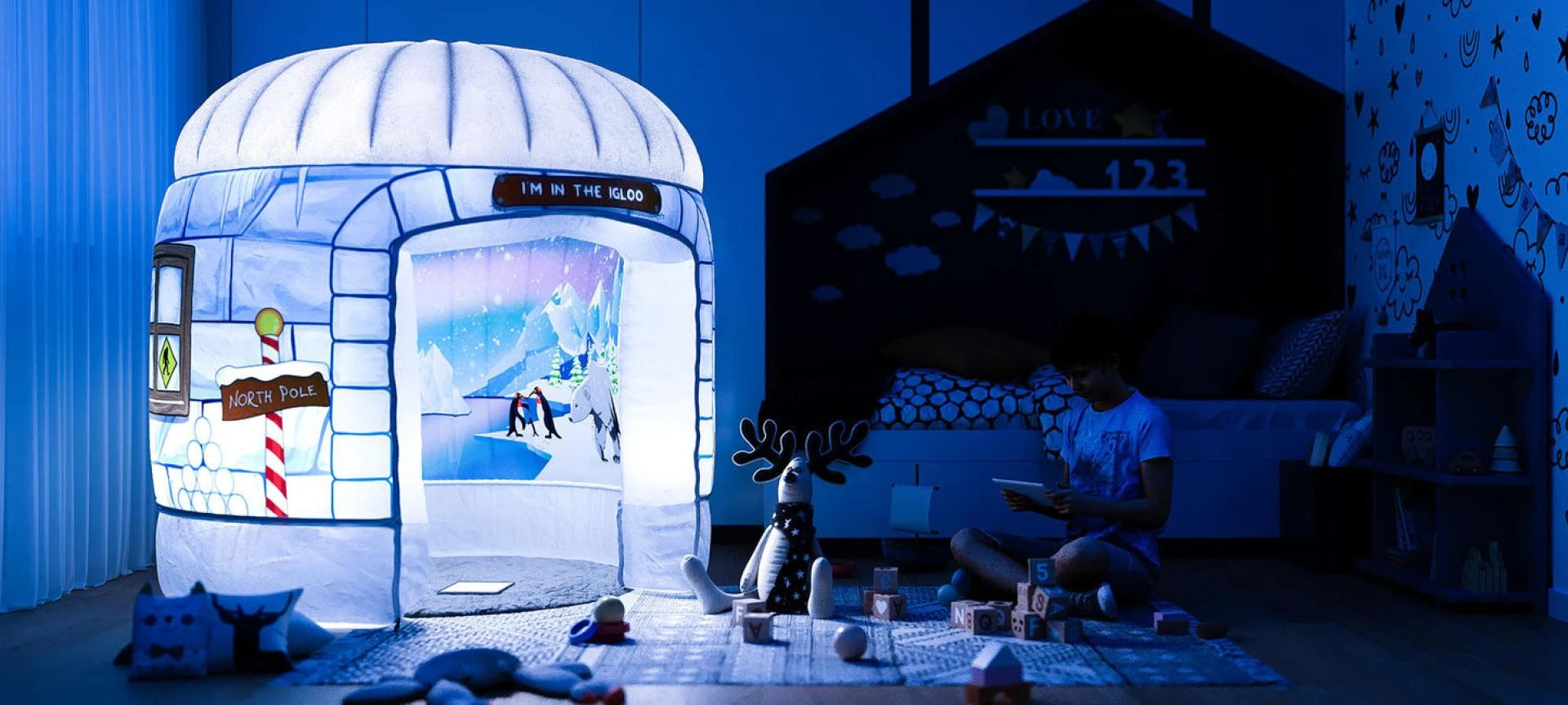

In the bustling world of technology and screens, it’s crucial to carve out spaces that engage children’s senses, foster creativity, and ignite their imagination. Enter the magical realm of sensory play spaces for kids – where textures, colors, sounds, and scents converge to create an enchanting environment. In this article, we’ll explore the importance of sensory play for children and delve into the art of crafting a sensory space that captivates their young minds.
Understanding Sensory Play
Sensory play is not just about keeping little hands busy; it’s a fundamental aspect of a child’s development. By engaging multiple senses simultaneously, children refine their motor skills, enhance cognitive abilities, and develop emotional regulation. Sensory experiences also serve as a gateway to self-discovery and understanding the world around them.
The Elements of a Sensory Space
Colors and Visual Stimulation: Begin by painting the canvas of your sensory space with a palette that evokes joy and curiosity. Vibrant colors can stimulate children’s visual senses, creating an inviting atmosphere. Consider incorporating murals, wall decals, or hanging mobiles to provide a visually stimulating environment. Textures and Tactile Sensations: Introduce a variety of textures to encourage tactile exploration. Soft cushions, smooth fabrics, rough surfaces, and fuzzy materials all contribute to a rich sensory experience. The tactile element not only engages their sense of touch but also encourages the development of fine motor skills. Sounds and Auditory Exploration: Engage the auditory senses with a symphony of sounds. Incorporate musical instruments, chimes, or even a gentle water feature. The soft rustling of leaves, the tinkling of wind chimes, or the soothing notes of a xylophone can create a calming yet stimulating auditory backdrop. Aromas and Scents: Don’t underestimate the power of scents in shaping a child’s experience. Infuse the space with subtle, child-friendly aromas like lavender, vanilla, or citrus. Consider scented playdough or sensory bins with natural elements like herbs or flowers to introduce various scents. Kinetic Play and Movement: Ensure there’s ample space for physical play and movement. Incorporate swings, climbing structures, or balance beams to encourage gross motor skill development. Movement not only engages the vestibular system but also adds an extra layer of excitement to the sensory experience. Interactive Play Stations: Create designated play stations that stimulate different senses. A tactile station with sand or rice, a visual station with colorful lights, and an auditory station with musical instruments can offer a diverse range of sensory inputs. Rotating these stations keeps the play experience fresh and engaging.
Benefits of a Sensory Space
Cognitive Development: Sensory play enhances cognitive skills by promoting problem-solving, critical thinking, and decision-making. Children learn to make connections between their actions and the sensory feedback they receive. Emotional Regulation: Engaging in sensory play provides a safe outlet for emotional expression. Whether it’s squeezing a stress ball or immersing hands in a bin of soft feathers, children learn to regulate their emotions positively and constructively. Social Interaction: Sensory spaces create opportunities for collaborative play. Whether it’s sharing a tactile experience or creating music together, these spaces foster social skills and cooperation among children.
Conclusion
In the ever-evolving landscape of childhood development, sensory play spaces stand out as essential havens for exploration and growth. By designing an enchanting sensory tent that appeals to all the senses, we unlock the door to a world where children can learn, create, and imagine freely. In these spaces, the boundaries between reality and fantasy blur, and the magic of childhood thrives. Let’s commit to nurturing the sensory journey for our little ones, ensuring they embark on a path filled with wonder, discovery, and endless possibilities.




























Sign in to leave a comment.