
Islamic secondary school play a crucial role in shaping the intellectual, spiritual, and personal development of their students. With their foundations in Islamic philosophy, these institutions provide a unique learning environment that goes beyond traditional classroom settings. In this blog, we'll look at the special features and benefits of Islamic secondary schools, as well as how they affect both the community at large and the students themselves.
1. Spiritual Foundation
The main objective of every Islamic secondary school is to aid in the spiritual growth of their students. The goal of the educational environment is to instill moral values, empathy, and compassion while forging a close connection with Islamic principles. Islamic education creates a spiritual foundation for students' lifelong guidance, as does daily prayer and study of the Quran.
2. Holistic Education
Islamic secondary schools emphasize a holistic approach to education. While academic excellence is a priority, equal importance is given to character development, ethics, and community service. Students are encouraged to become well-rounded individuals, capable of contributing positively to society.
3. Academic Excellence
The pursuit of knowledge is highly valued in Islamic secondary schools. The curriculum combines standard academic subjects with a focus on Islamic studies, Arabic language, and Quranic teachings. This dual emphasis ensures that students not only excel in conventional subjects but also develop a strong understanding of their Islamic heritage.
4. Community and Brotherhood
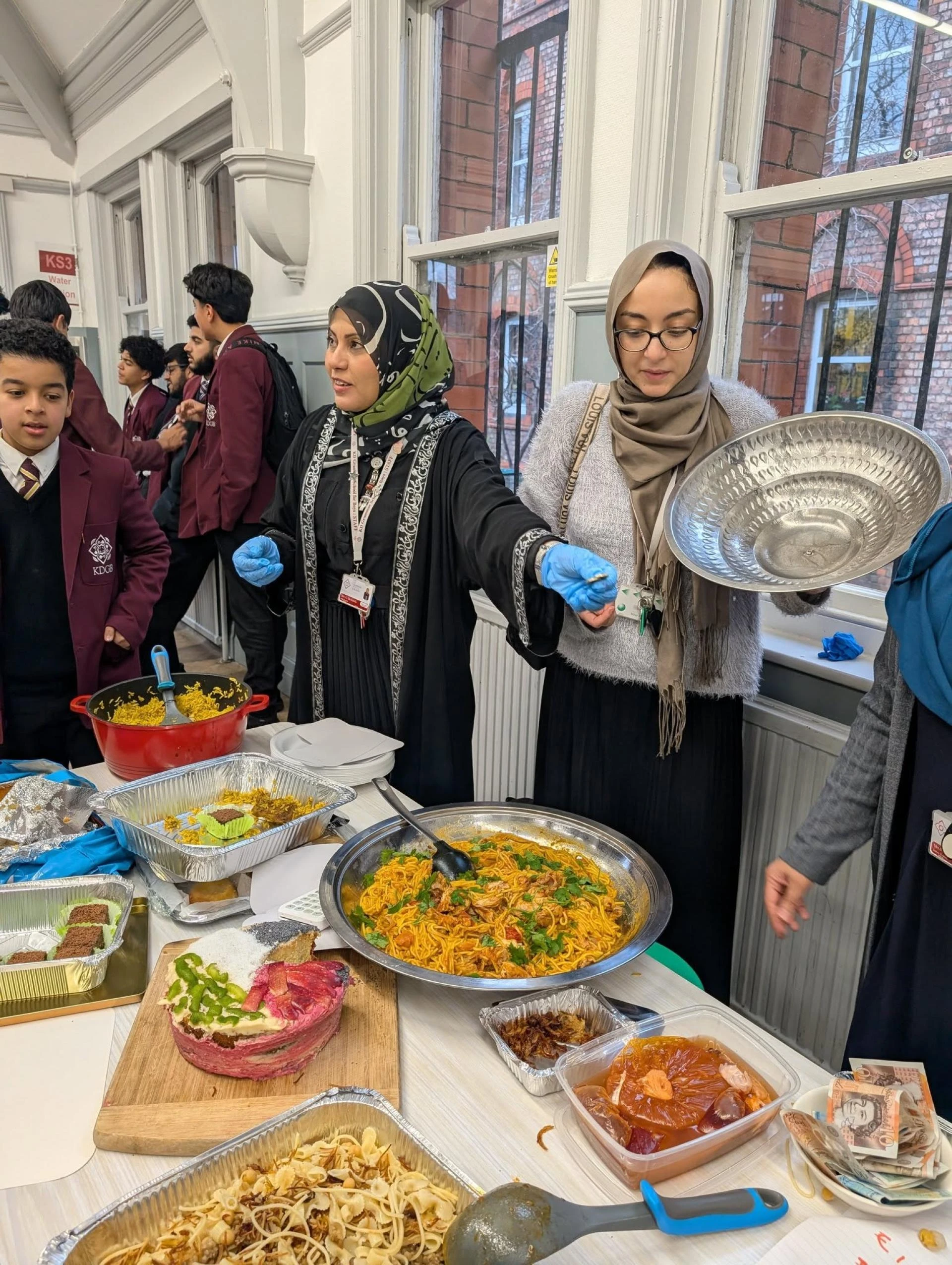
Islamic secondary schools create a sense of community and brotherhood among students. The school becomes a second home, where students build lasting friendships and connections. The emphasis on communal values fosters a supportive and inclusive environment, nurturing a sense of belonging.
5. Cultural Preservation
Islamic secondary schools play a crucial role in preserving Islamic culture and heritage. Students learn about the history of Islam, its contributions to civilization, and the rich cultural tapestry of Muslim societies. This awareness helps students appreciate their identity and heritage.
6. Moral and Ethical Values
The ethical and moral teachings of Islam are woven into the fabric of daily life in Islamic secondary schools. Students are guided by a code of conduct that promotes honesty, integrity, and responsibility. These values become the guiding principles for students as they navigate the challenges of adolescence and adulthood.
7. Leadership Development
Islamic secondary schools focus on developing leadership qualities in students. Through various extracurricular activities, student councils, and mentorship programs, students are encouraged to take on leadership roles. This prepares them to be confident and responsible leaders in their future endeavors.
Conclusion
In conclusion, an Islamic secondary school is not merely an educational institution but a nurturing ground for the mind, spirit, and character of its students. The holistic approach, combined with a strong emphasis on Islamic values, creates an environment that prepares students for a meaningful and purposeful life. These schools stand as beacons of light, guiding the next generation towards academic success, spiritual fulfillment, and a strong sense of identity within the broader Muslim community.












Sign in to leave a comment.