
Introduction
In today\'s fast-paced world, the demand for meditation apps continues to soar as individuals seek solace and mindfulness amidst the hustle and bustle of daily life. If you\'re passionate about mental wellness and technology, developing a meditation app can be a rewarding endeavor that not only benefits users but also contributes to the growing digital health landscape. In this comprehensive guide, we\'ll explore the essential steps and considerations involved in creating a successful meditation app in 2024.
Define Your Vision and Objectives
Before diving into development, take the time to define your vision for the app and clarify your objectives. What unique value proposition will your app offer? Who is your target audience, and what are their needs and preferences? Establishing a clear vision and set of goals will serve as a guiding framework throughout the development process and help ensure that your app meets the needs of its intended users.
Conduct Market Research
In a crowded marketplace, understanding your competitors and the broader market landscape is essential for success. Conduct thorough market research to identify existing meditation apps, analyze their strengths and weaknesses, and pinpoint opportunities for differentiation. Pay attention to user reviews, market trends, and emerging technologies to inform your app\'s feature set and positioning strategy.
Design User-Centric Features
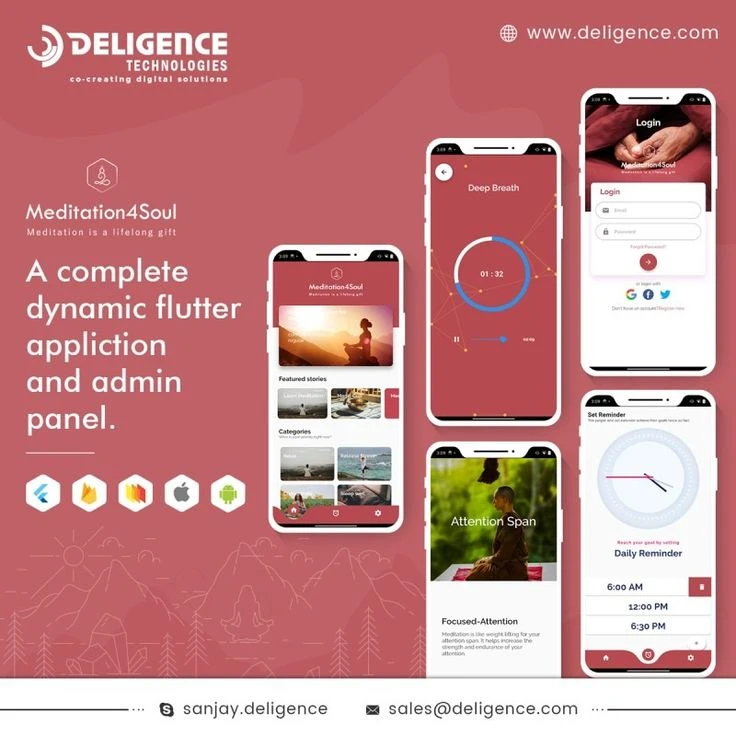
User experience is paramount in the development of a meditation app. Invest in intuitive design and user-centric features that prioritize simplicity, accessibility, and engagement. Consider incorporating features such as guided meditation sessions, customizable meditation timers, progress tracking, reminder notifications, and social sharing capabilities. Leverage multimedia content, including audio, video, and imagery, to create immersive and compelling meditation experiences.
Integrate Mindfulness Tools
In addition to guided meditations, consider integrating a range of mindfulness tools and resources to support users in their practice. This may include breathing exercises, relaxation techniques, journaling prompts, mood tracking, and educational content on mindfulness and mental wellness. By offering a comprehensive suite of tools, you can cater to the diverse needs and preferences of your user base and foster a deeper sense of engagement and personal growth.
Ensure Data Privacy and Security
With the increasing emphasis on data privacy and security, it\'s crucial to prioritize the protection of user data in your app. Implement robust encryption protocols, secure authentication mechanisms, and data anonymization practices to safeguard sensitive information such as meditation history, personal preferences, and health metrics. Be transparent about your data handling practices and obtain explicit consent from users before collecting any personal data.
Optimize for Performance and Compatibility
A smooth and seamless user experience is essential for retaining users and driving app adoption. Prioritize performance optimization and compatibility testing across a range of devices, operating systems, and screen sizes. Leverage responsive design principles and conduct thorough testing to ensure that your app functions reliably under various conditions, including poor network connectivity and low battery life.
Iterate and Gather Feedback
The development process doesn\'t end with the launch of your app; it\'s an ongoing journey of iteration and improvement. Encourage user feedback through surveys, reviews, and in-app feedback mechanisms to gather insights into user preferences, pain points, and feature requests. Continuously monitor app performance metrics, such as user engagement, retention rates, and app store ratings, and use this data to inform future updates and enhancements.
Stay Abreast of Emerging Trends
The landscape of digital health and meditation apps is constantly evolving, driven by advances in technology and shifting user preferences. Stay abreast of emerging trends, such as virtual reality meditation experiences, biofeedback integration, and AI-powered personalization, and consider how these innovations can enhance the value proposition of your app. By remaining agile and adaptive, you can position your app for long-term success in a dynamic and competitive market.
Conclusion
meditation app development in 2024 offers a unique opportunity to leverage technology for the betterment of mental health and well-being. By defining your vision, conducting market research, designing user-centric features, prioritizing data privacy, optimizing performance, iterating based on user feedback, and staying attuned to emerging trends, you can create a compelling and impactful meditation app that resonates with users and fosters positive change in their lives.
Ready to embark on your journey to develop a meditation app that makes a difference? With careful planning, thoughtful execution, and a commitment to user-centric design, you have the potential to create a transformative digital wellness experience that empowers individuals to cultivate peace, presence, and resilience in an increasingly complex world.








Sign in to leave a comment.