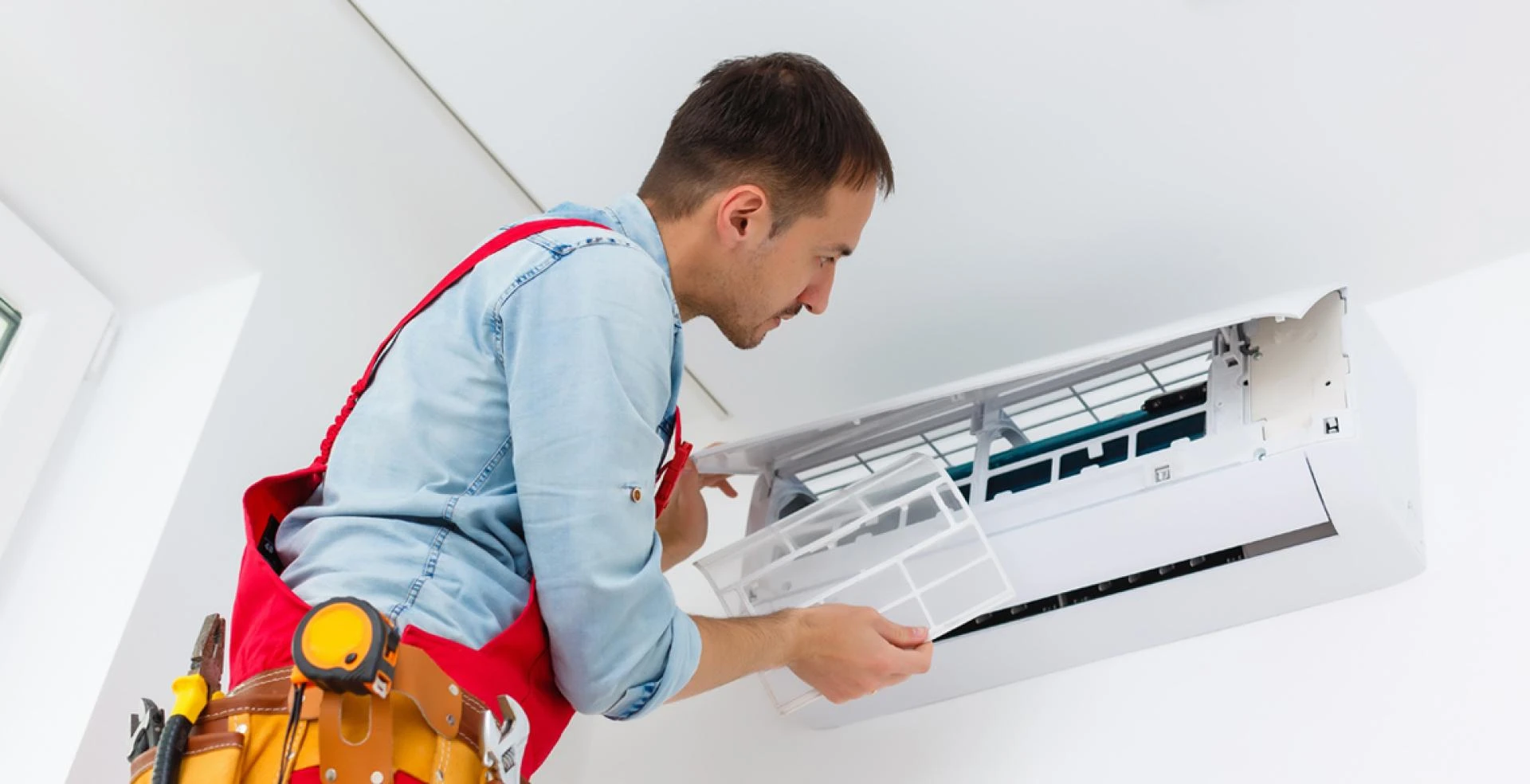

The critical steps to protect your AC this winter are to ensure your system and home are prepared for a seasonal switch, which includes cleaning the outdoor unit, changing the air filter, and checking your thermostat. While Houston winters may be milder than in other parts of the country, sudden cold snaps can put a strain on your HVAC system. Taking these simple, proactive measures now will keep your system running efficiently, prevent potential damage, and help you save money on your heating bills.
For many Houston homeowners, the moment the weather turns cool, the AC is forgotten until the next summer. But as an HVAC expert, I know that what you do in the winter can have a big impact on your system's performance and longevity. I've seen firsthand how a little bit of winter preparation can prevent costly repairs when you try to turn your AC back on in the spring. This article will walk you through the essential steps to protect your AC, making sure your entire HVAC system is ready for whatever a Texas winter throws at it.
Why is a Clean Outdoor Unit Important in Winter?
A clean outdoor unit is important in winter because debris like leaves and dirt can get trapped inside, leading to corrosion and hindering airflow for your heat pump if you have one. The outdoor unit, or condenser, is exposed to the elements all year long. During the fall, leaves and other debris can accumulate in the unit’s fins. While the AC may not be running, this debris can trap moisture, which can cause rust and other damage over the winter. If you have a heat pump, a clogged unit will also reduce its efficiency when it's needed to heat your home.
Steps to Clean Your Outdoor Unit:
- Turn off the power. Before you do anything, turn off the power to the unit at the outdoor disconnect box to ensure your safety.
- Clear the area. Remove any large leaves, twigs, or other debris that has collected on the top and sides of the unit. Trim back any bushes or plants that have grown too close to the unit to ensure at least a two-foot clearance for proper airflow.
- Gently wash the coils. Use a garden hose to gently spray the coils from the inside out to push out any smaller debris. Avoid using a pressure washer, as it can easily bend the delicate fins.
Should I Cover My Outdoor AC Unit for the Winter?
You should not cover your outdoor AC unit with a non-breathable tarp or plastic, as this can trap moisture inside, leading to rust and corrosion. While it may seem like a good idea to protect your unit from the elements, AC units are designed to withstand various weather conditions. A plastic cover can trap condensation, which is more damaging than the cold itself. If you do choose to cover your unit, use a breathable cover specifically designed for AC units to protect it from falling debris. For heat pumps, you should never cover the unit as it needs to move air to work.
The Dangers of Improper Covering:
- Trapped Moisture: A non-breathable cover traps condensation, which can lead to rust and corrosion of the unit's components.
- Pest Infestation: A covered unit can become a warm, inviting home for pests and rodents looking to escape the cold.
- Blocked Airflow: A cover can restrict the airflow that a heat pump needs to function, leading to overheating and damage.
How Does an Air Filter Affect My Heating System?
An air filter affects your heating system just as much as it affects your cooling system because a dirty filter restricts airflow, forcing the furnace or heat pump to work harder to distribute warm air. A clogged filter can reduce the efficiency of your system, increase your energy bills, and even lead to a system breakdown. A clean air filter is essential for not only keeping your home warm but also improving indoor air quality during the winter months when windows are sealed shut.
Why a Clean Filter is Critical:
- Better Efficiency: A clean filter allows air to move freely, so your system doesn't have to work as hard to heat your home.
- Prevents Overheating: A severely clogged filter can cause a heat pump or furnace to overheat, leading to a system shutdown.
- Improved Air Quality: A clean filter captures dust, allergens, and other pollutants, ensuring your family is breathing cleaner air.
What Should I Do with My Thermostat in the Winter?
You should adjust your thermostat settings for the winter to maximize efficiency and save money on your heating bills. The Department of Energy recommends setting your thermostat to 68°F while you are awake and home. You can lower it by 7-10 degrees for eight hours a day, such as when you are at work or asleep, to save up to 10% on your heating costs. A smart thermostat can make this process easy by automatically adjusting to your schedule.
Smart Thermostat Tips for Winter:
- Program a Schedule: Set a lower temperature for the hours when no one is home.
- Don't Over-adjust: Avoid the temptation to crank the heat up to a high temperature to warm the house faster. This just makes the system run for short, inefficient cycles.
- Check Batteries: If your thermostat runs on batteries, replace them before the winter to prevent a mid-season failure.
What Role Does Home Insulation Play in Protecting My AC?
Your home's insulation and weather-sealing play a crucial role in protecting your AC by keeping heat inside your home, so your system doesn't have to work as hard to heat it. In Houston, heat can easily escape through leaky windows, doors, and poorly insulated attics. By sealing these air leaks, you're not only making your home more comfortable, but you're also reducing the workload on your HVAC system, which extends its lifespan and saves you money.
Sealing Your Home for Winter:
- Weatherstrip Windows and Doors: Check for drafts around windows and doors and use weatherstripping or caulk to seal them.
- Insulate Your Attic: A properly insulated attic is one of the most effective ways to prevent heat from escaping.
- Check Ductwork: Have a professional inspect your ductwork for leaks, which can waste up to 20% of your conditioned air.
How Can Regular Maintenance Protect My AC for Next Summer?
Regular professional maintenance in the fall protects your AC for next summer by catching small problems before they become major breakdowns and ensuring your system is running at peak efficiency. A technician will inspect all the components of your system, including the refrigerant lines, electrical connections, and fan motor. They can spot a potential failure and fix it before it leaves you without AC in the middle of a Houston summer.
Benefits of a Winter Tune-Up:
- Preventative Care: A professional can spot a refrigerant leak or a failing part before it causes a system failure.
- Improved Performance: A well-maintained system will run more efficiently, saving you money on your bills year-round.
- Extended Lifespan: Regular maintenance is the best way to ensure your AC system lasts for its full lifespan.
Who Should I Trust with My Winter AC Protection?
You should trust a licensed and experienced HVAC professional in the Houston area to help you with your winter AC protection and home heating needs. A reputable company will provide a comprehensive tune-up, not just a quick visual check. They will be able to answer your questions, provide you with a detailed report of their findings, and ensure your system is running safely and efficiently.
Choosing a Professional
- Local Expertise: A local company will understand the unique needs of a Houston home, from dealing with humidity to handling our mild winters.
- Transparent Pricing: A good company will give you a clear, written estimate for any work that needs to be done.
- Check Credentials: Make sure the company and its technicians are properly licensed and insured.
Final Thoughts
Preparing your AC for winter is a simple but critical step to ensure your home's comfort and your system's longevity. By taking a few proactive steps like cleaning your outdoor unit and changing your air filter, you can prevent costly repairs and save money on your energy bills. For a professional winter check-up and a free quote, visit AC repair service in Houston today


























Sign in to leave a comment.