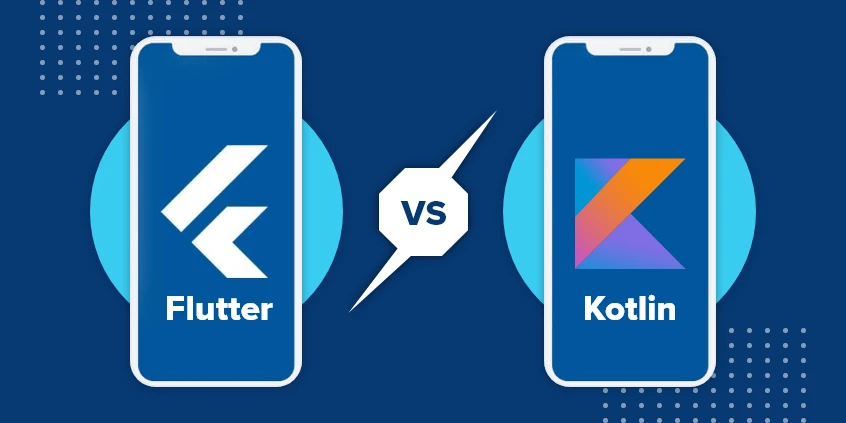

Kotlin and Flutter: The Essentials
Kotlin is a modern language loved for simplicity, Java compatibility, and functional programming. Created by JetBrains, it's widely adopted for Android development, user-friendly and adaptable. Flutter, a Google product, is a comprehensive UI toolkit for creating natively compiled mobile, web, and desktop apps from a single codebase. It boasts dynamic hot reloading and a vast widget library for engaging, responsive interfaces. Kotlin streamlines coding with elegance, while Flutter excels in UI design, making them an ideal duo for developers building versatile cross-platform applications.
The Synergy Between Kotlin and Flutter
Kotlin and Flutter join forces to elevate cross-platform development. Kotlin's compact code blends seamlessly with Java, powering efficient Android backends. Flutter shines with its UI toolkit, crafting visually stunning interfaces using widgets and hot reloading.
Together, they let developers write scalable Kotlin code for backends while creating responsive Flutter frontends across iOS, Android, web, and desktop - all from one codebase! This partnership marries Kotlin's backend expertise with Flutter's frontend flair, enabling applications that excel in performance and user experience. Kotlin and Flutter empower developers to build standout apps in the competitive app market by combining development efficiency with product quality.
Good To Read:- Best Programming Languages in 2024 for Mobile and Web Development
Setting Up Your Development Environment for Kotlin and Flutter
To begin cross-platform development with Kotlin and Flutter, set up your environment. Install Android Studio IDE. Add Flutter and Dart plugins for creating and testing Flutter UIs across platforms. Install Kotlin plugin to bridge Kotlin's backend capabilities with Flutter's frontend power. This preparation equips your IDE for cross-platform development intricacies. After installations, create your first project - the foundation for a Kotlin and Flutter-powered multi-platform app. This streamlined setup simplifies development while unlocking possibilities in cross-platform app development by harnessing Kotlin and Flutter's strengths.
Creating Your First Cross-Platform App with Kotlin and Flutter
Beginning your inaugural cross-platform app journey with Kotlin and Flutter is thrilling. It unites both technologies' strengths. First, establish your app's purpose and target users, guiding design and functionality. Use Kotlin for logic and backend processes, benefiting from its concise syntax and efficiency. Employ Flutter's rich widget library for engaging, smooth user interfaces across iOS, Android, web, and desktop platforms.
Flutter's hot reload feature proves indispensable here, instantly reflecting UI changes, accelerating development. Kotlin and Flutter integrate via platform channels, enabling seamless communication and collaboration. Iteratively test your app across devices to ensure consistent, cross-platform functionality. This hands-on approach solidifies your Kotlin and Flutter understanding while creating a versatile app meeting modern user expectations.
Must Read:- Kotlin Vs Flutter: What to Choose – When and Why?
Overcoming Cross-Platform Development Challenges with Kotlin and Flutter
Kotlin and Flutter cross-platform development presents obstacles developers must navigate adeptly. Achieving seamless functionality across operating systems with unique features and user expectations is a primary hurdle. Integrating Kotlin's backend efficiency with Flutter's UI design often requires mastering platform channels for smooth communication between languages.
Ensuring uniform performance and appearance across diverse devices with varying screen sizes and hardware specifications introduces complexities. Utilize extensive Kotlin and Flutter community resources and forums, offering knowledge from troubleshooting specific issues to sharing best practices, greatly aiding overcoming developmental challenges. By staying agile and proactively problem-solving, developers can craft applications bridging platform divides while elevating overall user experience.
Elevating Cross-Platform Apps with Cutting-Edge Tools
Developers using Kotlin and Flutter unlock powerful techniques that boost the performance of cross-platform applications. Kotlin's coroutines simplify managing background tasks, freeing the main thread for smooth user experiences. Extension functions and inline classes streamline coding for increased efficiency. Within Flutter, custom widgets and direct platform API access optimize app performance across devices, ensuring native-like experiences everywhere. Flutter's layered architecture facilitates highly customizable, complex UIs without compromising speed. Harnessing these advanced features enhances responsiveness, speed, and seamless user engagement across platforms. Mastering these capabilities requires deep Kotlin and Flutter knowledge, but the payoff in performance and satisfaction proves worthwhile.
Venture into the realm of cross-platform excellence with Kotlin and Flutter. Hire Mobile App Developers in India to pioneer innovative solutions that transcend boundaries. Let's collaborate to set new standards in app development.
Practical Triumphs: Kotlin and Flutter in Action
Real-world successes showcase the advantages of combining Kotlin and Flutter. Google's Ads platform harnesses Kotlin's backend strengths and Flutter's UI design prowess for robust, cross-platform solutions boosting engagement and efficiency. Reflectly, an AI-driven personal journal app, blends Flutter's expressive UI toolkit with Kotlin's efficient data handling, delivering personalized experiences across iOS and Android. The app demonstrates Flutter's ability to create visually stunning, natively compiled applications and Kotlin's finesse in managing backend logic and databases.
The e-commerce scene has seen creative new apps like Alibaba's Xianyu. It uses Flutter to give a smooth, user-friendly shopping experience worldwide. Kotlin's secure, scalable backend helps make this happen. These case studies show how flexible and powerful Kotlin and Flutter are. They meet diverse app needs. Devs gain a real market edge by combining these tools. Practical apps prove Kotlin and Flutter push limits in cross-platform app dev. They set new bars for efficiency, user experience, and app performance.
Wrapping up
To sum up, using Kotlin and Flutter for cross-platform app dev is a big step. These tools make versatile, high-performing apps for many platforms. We saw their key roles in modern dev. From setup to tackling challenges, Kotlin and Flutter shine. Creating seamless iOS, Android, web, and desktop apps is easy. Kotlin's backend skill and Flutter's dynamic UI merge beautifully. Apps meet user demands and stand out among rivals. Taking advantage of advanced features and resources elevates performance. Smooth, engaging experiences result. Success stories showcase combining Kotlin and Flutter's potential. Moving ahead, their integration sparks exciting innovation opportunities in app dev. New frontiers in tech and user engagement await.




























Sign in to leave a comment.