
Tooth loss is a common dental issue that can impact both oral function and confidence. Dental bridges offer a reliable solution for replacing missing teeth, but understanding the cost factors associated with this treatment is crucial for individuals considering this option.
Introduction
Dental bridges serve as an essential component of restorative dentistry, providing patients with a means to fill the gaps left by missing teeth. While the benefits of dental bridges are clear, it's essential to delve into the financial aspect to make informed decisions regarding oral health care.
Understanding Dental Bridges
What Are Dental Bridges?
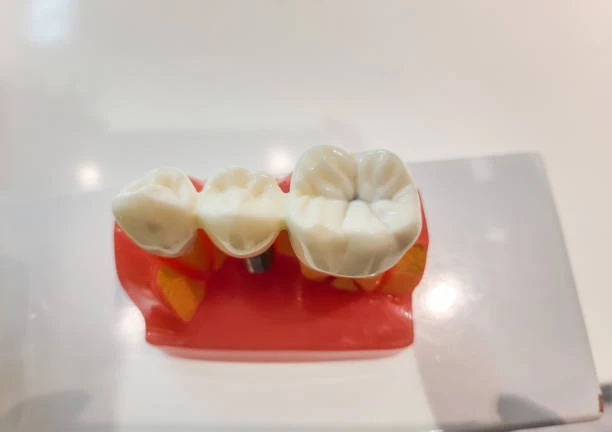
Dental bridges are prosthetic devices used to replace one or more missing teeth. They consist of artificial teeth, known as pontics, which are held in place by crowns attached to the adjacent natural teeth or dental implants. This creates a seamless restoration that restores both function and aesthetics.
Types of Dental Bridges
There are several types of dental bridges available, including traditional bridges, cantilever bridges, and Maryland bridges. The choice of bridge depends on factors such as the location of the missing teeth, the condition of the surrounding teeth, and the patient's preferences.
Factors Influencing Dental Bridge Expenses
Material Used
The material used to fabricate dental bridges significantly influences their cost. Common materials include porcelain, ceramic, and metal alloys. While porcelain and ceramic bridges offer superior aesthetics, they tend to be more expensive than metal alloy bridges. The choice of material depends on the patient's budget and aesthetic goals.
Number of Teeth Replaced
The cost of dental bridges is also influenced by the number of teeth being replaced. Bridges designed to replace a single missing tooth will be less expensive than those replacing multiple teeth or spanning larger gaps in the dental arch. Additionally, the complexity of the case may affect the overall cost of treatment.
Location and Reputation of the Dental Clinic
The location and reputation of the dental clinic where the procedure is performed can impact the cost of dental bridges. Clinics located in upscale areas or renowned for their expertise may charge higher fees for their services. However, it's essential to prioritize quality and experience when choosing a dental provider.
Average Cost of Dental Bridges in the UAE
Comparison with Other Countries
The cost of dental bridges in the UAE is generally competitive compared to other countries, such as the United States and European nations. While prices may vary depending on the specific clinic and materials used, patients can expect to find affordable options for dental bridge treatment in the UAE.
Availability of Insurance Coverage
In some cases, dental insurance plans may cover a portion of the cost of dental bridges, particularly if the treatment is deemed medically necessary. Patients should check with their insurance provider to determine their coverage options and any out-of-pocket expenses they may incur.
Benefits of Dental Bridges
Improved Oral Health
Dental bridges offer more than just cosmetic benefits; they also help maintain proper oral function and prevent complications associated with tooth loss, such as shifting of adjacent teeth and bone loss in the jaw.
Enhanced Aesthetics and Self-Confidence
By restoring a complete and natural-looking smile, dental bridges can boost self-confidence and improve overall quality of life. Patients can enjoy greater comfort and satisfaction with their appearance, leading to enhanced social interactions and professional opportunities.
Conclusion
Crunching the numbers associated with dental bridge costs in UAE is essential for individuals seeking to restore their smiles and oral health. By understanding the factors that influence dental bridge expenses and weighing the benefits against the investment, patients can make informed decisions about their dental care and achieve optimal outcomes.
FAQs
FAQ 1: Are dental bridges permanent?
Yes, dental bridges can last for many years with proper care and maintenance. However, they may eventually need to be replaced due to wear and tear.
FAQ 2: How long do dental bridges last?
The lifespan of dental bridges varies depending on factors such as the materials used, oral hygiene practices, and individual anatomy. On average, dental bridges can last anywhere from 5 to 15 years or more.
FAQ 3: Is dental bridge treatment painful?
The dental bridge procedure itself is not typically painful, as it is performed under local anesthesia. However, some patients may experience mild discomfort or sensitivity during the recovery period.
FAQ 4: Can dental bridges be covered by insurance?
In some cases, dental insurance plans may cover a portion of the cost of dental bridges, particularly if the treatment is deemed medically necessary. Patients should check with their insurance provider to determine their coverage options.
FAQ 5: How do I care for dental bridges?
Proper oral hygiene practices, such as brushing twice daily and flossing regularly, are essential for maintaining the health and longevity of dental bridges. Patients should also attend regular dental check-ups and cleanings to ensure the integrity of their restorations.











Sign in to leave a comment.