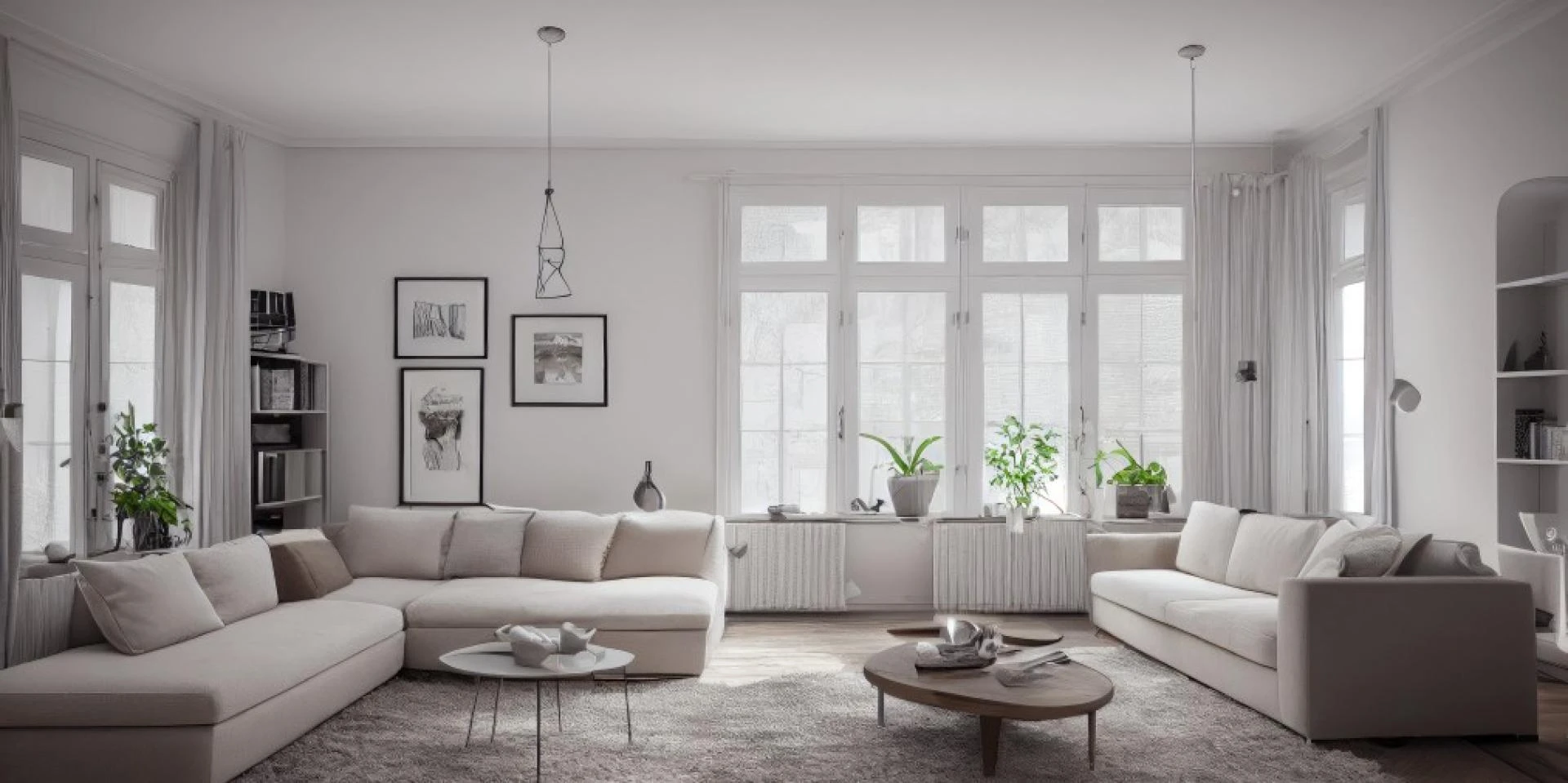

In a world characterized by diversity and interconnectedness, furniture design is evolving to reflect the rich tapestry of global cultures. From traditional craftsmanship techniques to contemporary interpretations of cultural motifs, designers are increasingly drawing inspiration from diverse traditions and aesthetics. In this article, we will explore the concept of cultural fusion in furniture design and how it is reshaping the way we perceive and interact with our living spaces.
1. Heritage Craftsmanship:
One of the hallmarks of cultural fusion in furniture design is the incorporation of heritage craftsmanship techniques from around the world. From Japanese joinery and Scandinavian woodworking to African weaving and Middle Eastern metalwork, designers are paying homage to centuries-old traditions while infusing them with a contemporary twist. The result is furniture that celebrates the beauty and authenticity of cultural craftsmanship while embracing modern sensibilities.
2. Global Materials Palette:
In addition to craftsmanship techniques, cultural fusion in furniture design also involves the use of diverse materials sourced from around the world. Whether it's reclaimed wood from old barns in the American Midwest, handwoven textiles from India, or volcanic rock from Iceland, designers are embracing the unique textures, colors, and qualities of materials that reflect different cultural landscapes. This global materials palette adds depth and richness to furniture designs, inviting users to connect with the stories and histories embedded within each piece.
3. Symbolism and Meaning:
Cultural fusion in furniture design often incorporates symbolic motifs and imagery drawn from diverse cultural traditions. From Celtic knots and Chinese calligraphy to Maori carvings and Native American patterns, these symbols carry deep cultural significance and imbue furniture designs with layers of meaning and resonance. By weaving together disparate cultural symbols, designers create furniture that transcends geographical boundaries, inviting users to explore and appreciate the diversity of human expression.
4. Contemporary Interpretations:
While rooted in tradition, cultural fusion in furniture design also embraces contemporary interpretations of cultural motifs and aesthetics. Designers reinterpret traditional forms and patterns through a modern lens, blending heritage craftsmanship with contemporary materials and technologies to create furniture that is both timeless and relevant. This fusion of past and present creates furniture that resonates with today's globalized world, reflecting the dynamic interplay of cultures and influences.
5. Cross-Cultural Collaboration:
In an increasingly interconnected world, cross-cultural collaboration is driving innovation and creativity in furniture design. Designers from different cultural backgrounds are coming together to exchange ideas, share techniques, and co-create furniture that transcends cultural boundaries. This collaborative approach fosters mutual understanding and appreciation of diverse cultural perspectives, enriching the design process and resulting in furniture that celebrates the universal values of beauty, craftsmanship, and creativity.
6. Cultural Adaptation:
Cultural fusion in furniture design involves adapting traditional forms and styles to suit modern lifestyles and preferences. Designers carefully balance authenticity with functionality, reimagining cultural elements in ways that are relevant and accessible to contemporary audiences. Whether it's incorporating ergonomic principles into traditional seating or integrating storage solutions into heritage cabinets, cultural adaptation ensures that furniture designs remain practical and adaptable to evolving needs.
7. Global Inspirations:
In an era of globalization, furniture designers are drawing inspiration from a diverse array of global influences. From the vibrant colors of Moroccan souks to the minimalist aesthetics of Scandinavian design, the world serves as a boundless source of inspiration for innovative furniture creations. By embracing global inspirations, designers infuse their creations with a sense of wanderlust and cultural curiosity, inviting users to embark on a journey of discovery through their living spaces.
8. Cultural Narratives:
Each piece of culturally infused furniture tells a story—a narrative that reflects the heritage, traditions, and values of its cultural origins. Whether it's a hand-carved table with intricate patterns or a woven chair with symbolic motifs, these pieces carry with them the stories of the artisans who crafted them and the communities from which they originate. By incorporating cultural narratives into furniture design, designers create pieces that resonate on a deeper level, sparking conversations and fostering connections between people and cultures.
9. Sustainable Cultural Exchange:
Cultural fusion in furniture design also has the potential to promote sustainable cultural exchange and economic empowerment. By collaborating with artisans and craftsmen from diverse cultural backgrounds, designers can support local communities and preserve traditional craftsmanship techniques that are at risk of being lost. This sustainable approach to cultural exchange not only enriches the design process but also creates opportunities for cultural appreciation and understanding on a global scale.
10. Personal Expression:
Incorporating culturally infused furniture into our living spaces allows us to express our own unique identities and cultural affiliations. Whether it's a piece of furniture passed down through generations or a modern interpretation of cultural motifs, these pieces reflect our personal tastes, values, and experiences. By surrounding ourselves with culturally infused furniture, we create spaces that are not only visually stimulating but also deeply meaningful, serving as a reflection of who we are and where we come from.
Conclusion:
Cultural fusion in furniture design is a testament to the richness and diversity of human culture. By drawing inspiration from global influences, adapting traditional forms to modern lifestyles, and incorporating cultural narratives into their creations, designers create furniture that transcends geographical boundaries and fosters connections between people and cultures. As we embrace these culturally infused designs in our living spaces, we celebrate the beauty of cultural diversity and affirm our shared humanity, one piece of furniture at a time.










Sign in to leave a comment.